The Hyper-Nourishing Protocol: A Beginner’s Guide to This Powerful Anti-Inflammatory Diet
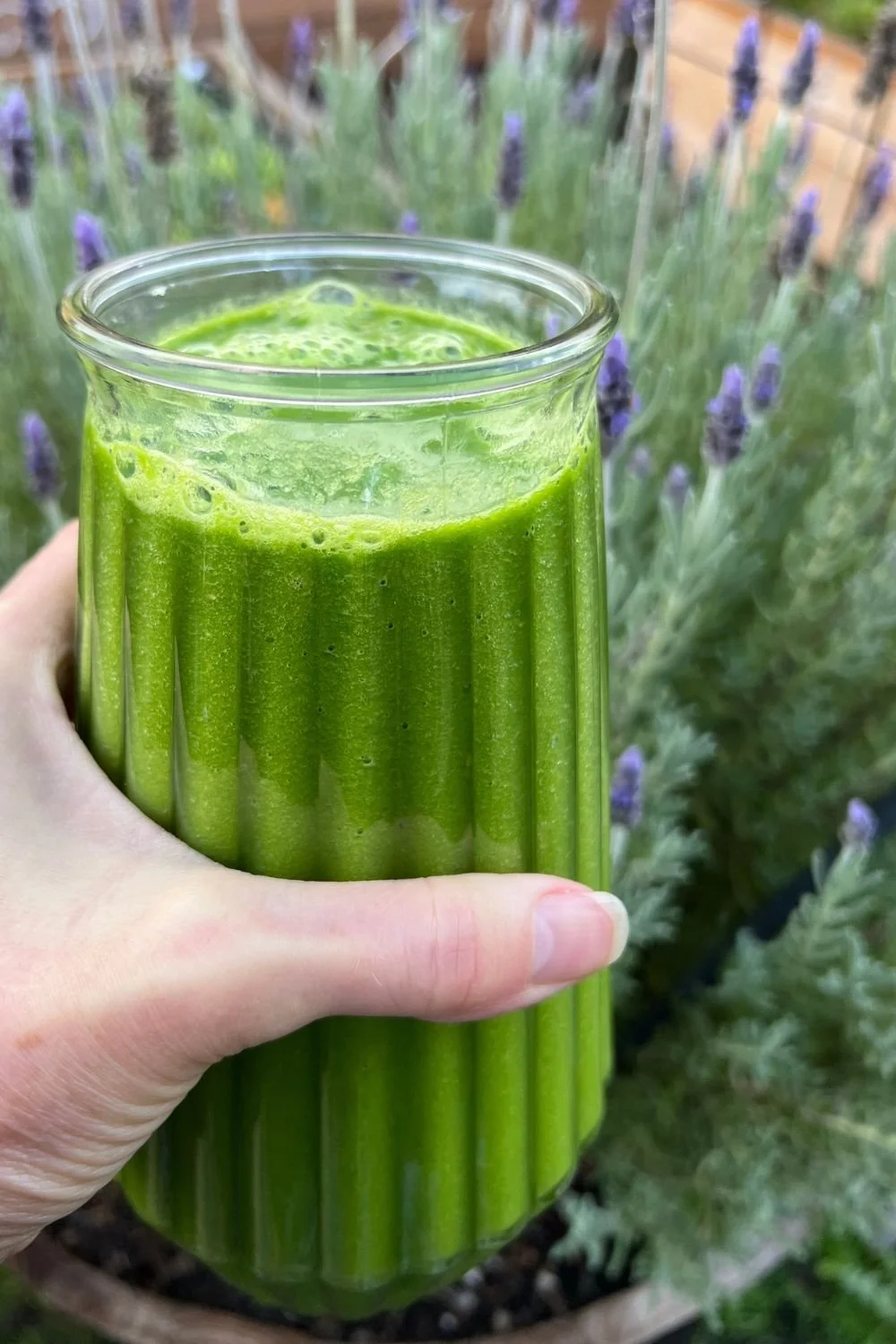
A green smoothie packed with leafy greens is one of the easiest ways to follow the hyper-nourishing protocol.
If you're new to plant-based eating or looking for a simple anti-inflammatory diet that supports healing and vibrant energy, the Hyper-Nourishing Protocol is one of the easiest and most powerful places to begin.
Years ago when I discovered the healing power of whole plant foods, it completely changed my life. I had several health concerns I was trying to resolve, and learning how deeply nourishing foods support the body opened my eyes to a new way of thinking about health.
That journey eventually led me to become a certified health coach and create this website so I could share what I’ve learned with others who are looking for practical ways to feel better.
One of the simplest strategies I’ve come across is the Hyper-Nourishing Protocol, developed by physician Dr. Brooke Goldner. It focuses on flooding the body with the nutrients many people are missing by emphasizing leafy greens, omega-3 rich seeds, and proper hydration.
The best part is that it’s simple, affordable, and easy to start.
What Is the Hyper-Nourishing Protocol?
The Hyper-Nourishing Protocol, developed by Dr. Brooke Goldner, is a plant-focused nutrition approach designed to support healing by providing the body with a concentrated amount of nutrient-dense foods each day.
The protocol centers around three daily habits:
• Eat 1 pound of leafy greens or cruciferous vegetables
• Consume ½ cup of chia or flax seeds for omega-3 fats
• Drink at least 96 ounces of water
These foods are rich in fiber, antioxidants, minerals, and anti-inflammatory nutrients that support immune function, gut health, and cellular repair.
Many people find that following this approach naturally becomes an anti-inflammatory diet, since leafy greens, cruciferous vegetables, and omega-3 fats help calm chronic inflammation in the body.
Define Your WHY

Hiking in Joshua Tree National Park-something I might never have had the energy to do before changing my diet.
Before making any lifestyle change, it helps to define why you want to improve your health.
Your reason might be to:
• have more energy for the people you love
• reduce inflammation or chronic symptoms
• improve digestion and gut health
• sleep better
• lose unwanted weight
• reduce reliance on medications
• stay active and vibrant as you age
Write your reason down.
Some people even record a short video for themselves explaining why their health matters. Hearing your own words later can be surprisingly motivating.
Your “why” becomes your anchor when change feels challenging.
The First Two Weeks: What to Expect
The first couple of weeks of changing eating habits can feel like the biggest adjustment.
When moving away from the Standard American Diet (often called the SAD diet) toward whole plant foods, your body suddenly receives much more fiber, hydration, and micronutrients.
Some people temporarily experience:
• cravings
• fatigue
• digestive adjustments
This is simply your body adapting to a higher intake of whole foods and fiber.
Staying hydrated and increasing fiber gradually can make the transition much easier.
Most people begin noticing improvements in energy, digestion, and mental clarity within a few weeks.
Understanding the Hyper-Nourishing Approach
Dr. Goldner coined the term hyper-nourishing to describe intentionally flooding the body with the nutrients many modern diets lack.
The focus is not restriction.
It’s adding powerful healing foods.
Leafy greens and cruciferous vegetables provide:
• antioxidants that combat oxidative stress
• fiber that supports the gut microbiome
• vitamins and minerals that support cellular repair
Chia and flax seeds provide omega-3 fats that support heart health and help reduce inflammation.
Because of this combination, many people find the hyper-nourishing approach naturally aligns with an anti-inflammatory diet.
The Official Hyper-Nourishing Protocol
The daily protocol recommended by Dr. Goldner includes:
• 1 pound leafy greens or cruciferous vegetables
• ½ cup chia or flax seeds (or 3 TBSP flax or chia oil)
• 96 ounces of water
One of the easiest ways to reach these goals is through green smoothies.
How to Make a Green Smoothie
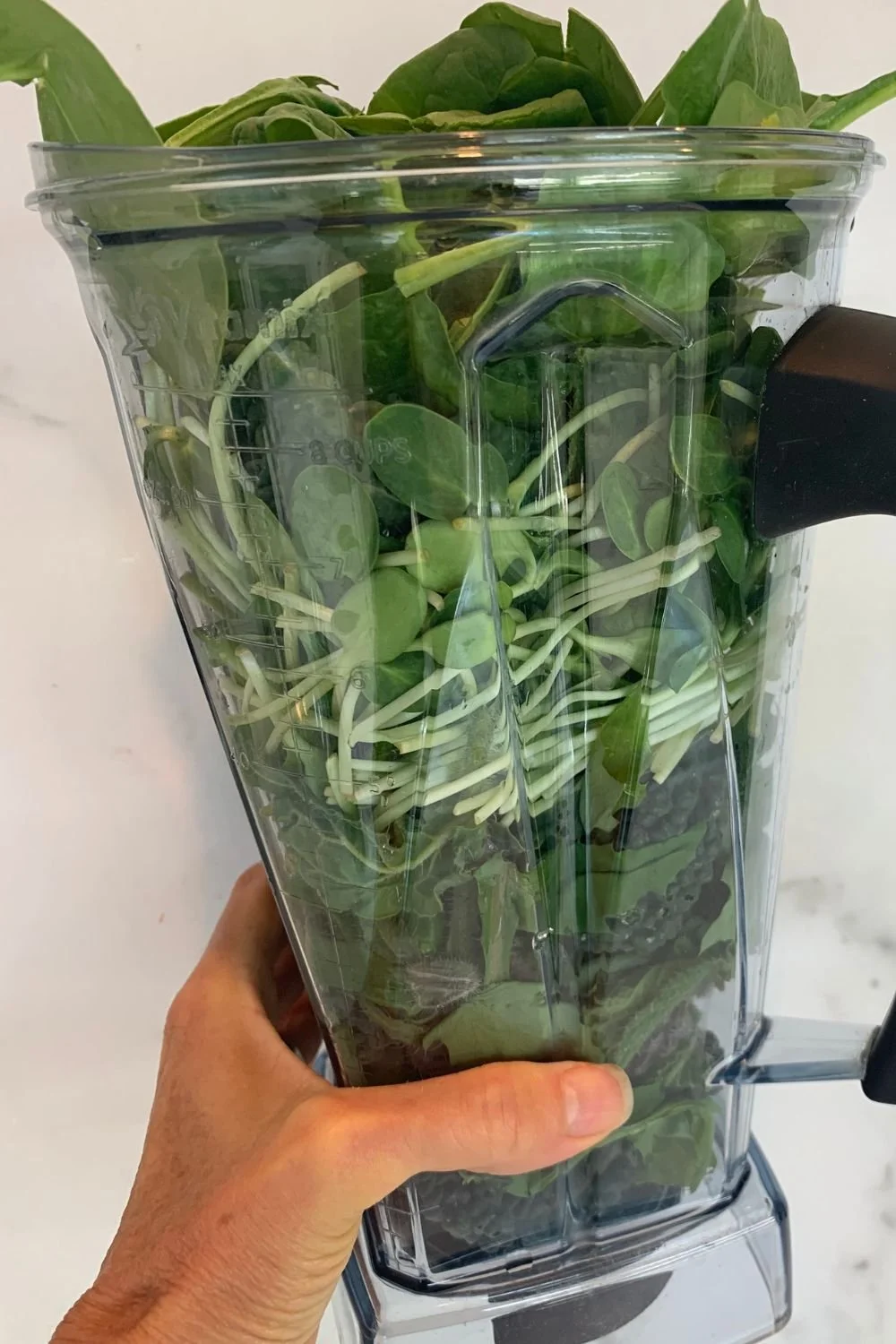
A blender packed with leafy greens for a hyper-nourishing smoothie.
Green smoothies are one of the simplest ways to consume a large amount of leafy greens in a convenient and delicious way.
A helpful guideline is:
75% greens / 25% fruit
Basic smoothie formula:
1 pound leafy greens
32 oz water
fruit for sweetness
chia or flax seeds
Blend until smooth.
My favorite combination is:
• 1 pound spinach
• 2 ripe bananas
• 1 cup frozen mango
• 32 oz water
• chia or flax seeds (you can also use cold pressed flax or chia oil instead, 3 TBSP equals 1/2 cup)
This recipe usually makes two large smoothies that can be enjoyed throughout the day.
A Note About Flax and Chia Seeds
Flax seeds and chia seeds are included in the hyper-nourishing protocol because they are rich in omega-3 fatty acids, which support heart health and help reduce inflammation.
Many people blend them directly into their smoothies, but personally I prefer other options.
Adding flax or chia to smoothies can make them quite thick, which isn’t my favorite texture. Instead, I usually get my omega-3s in other ways such as:
• drizzling flax oil over salads or vegetables
• sprinkling freshly ground flax over berries or fruit
• making chia pudding
These options make it easy to include omega-3 fats without changing the texture of your smoothie.
Find the approach that works best for you and your preferences.
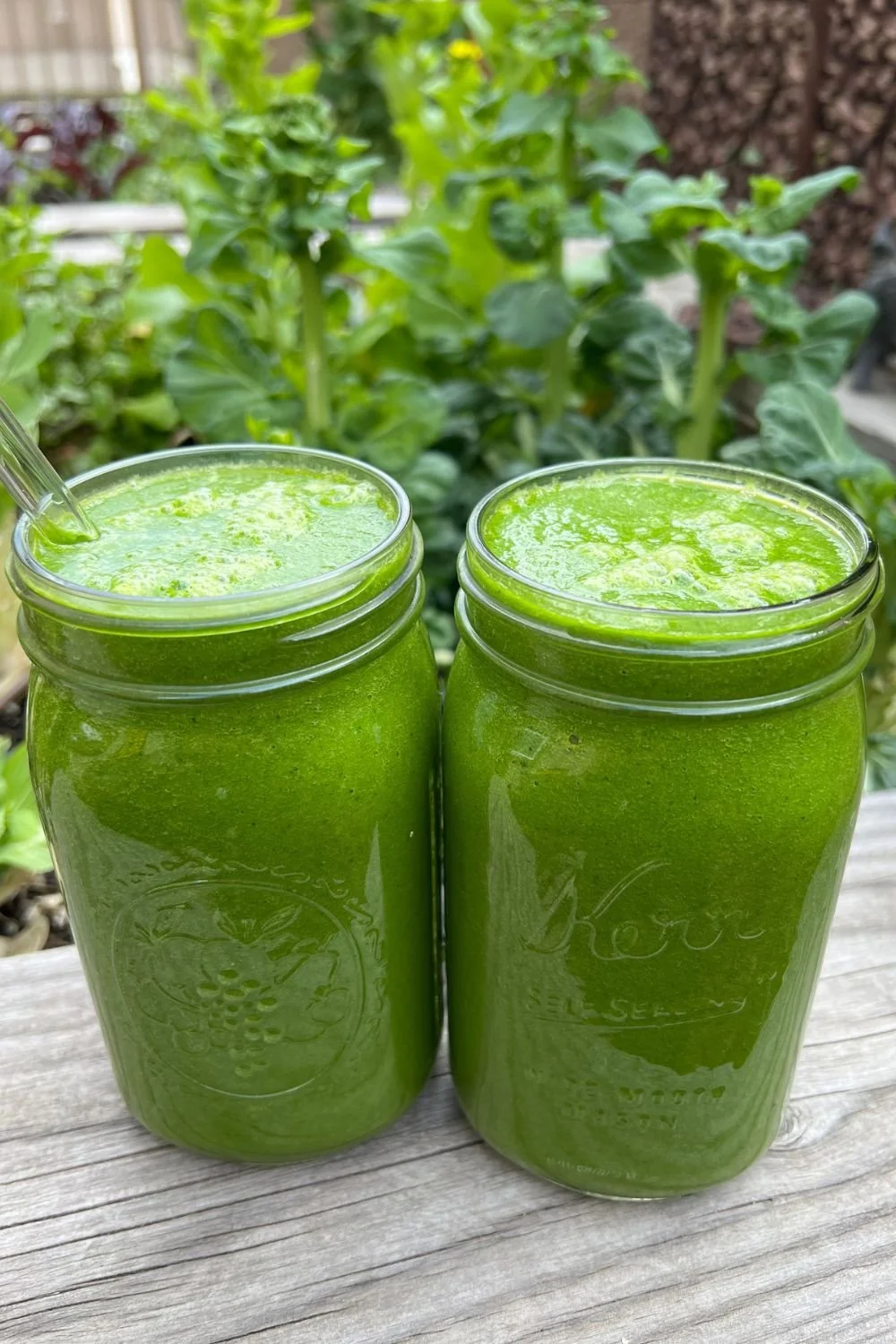
Two green smoothies made with leafy greens, fruit, and omega-3-rich seeds.
If Smoothies Aren’t Your Thing
You can absolutely follow the protocol without smoothies.
Other options include:
• large leafy salads
• cabbage-based vegetable bowls
• raw veggie plates
• vegetables with guacamole or hummus
The key is simply reaching the daily goal of 1 pound of greens or cruciferous vegetables.
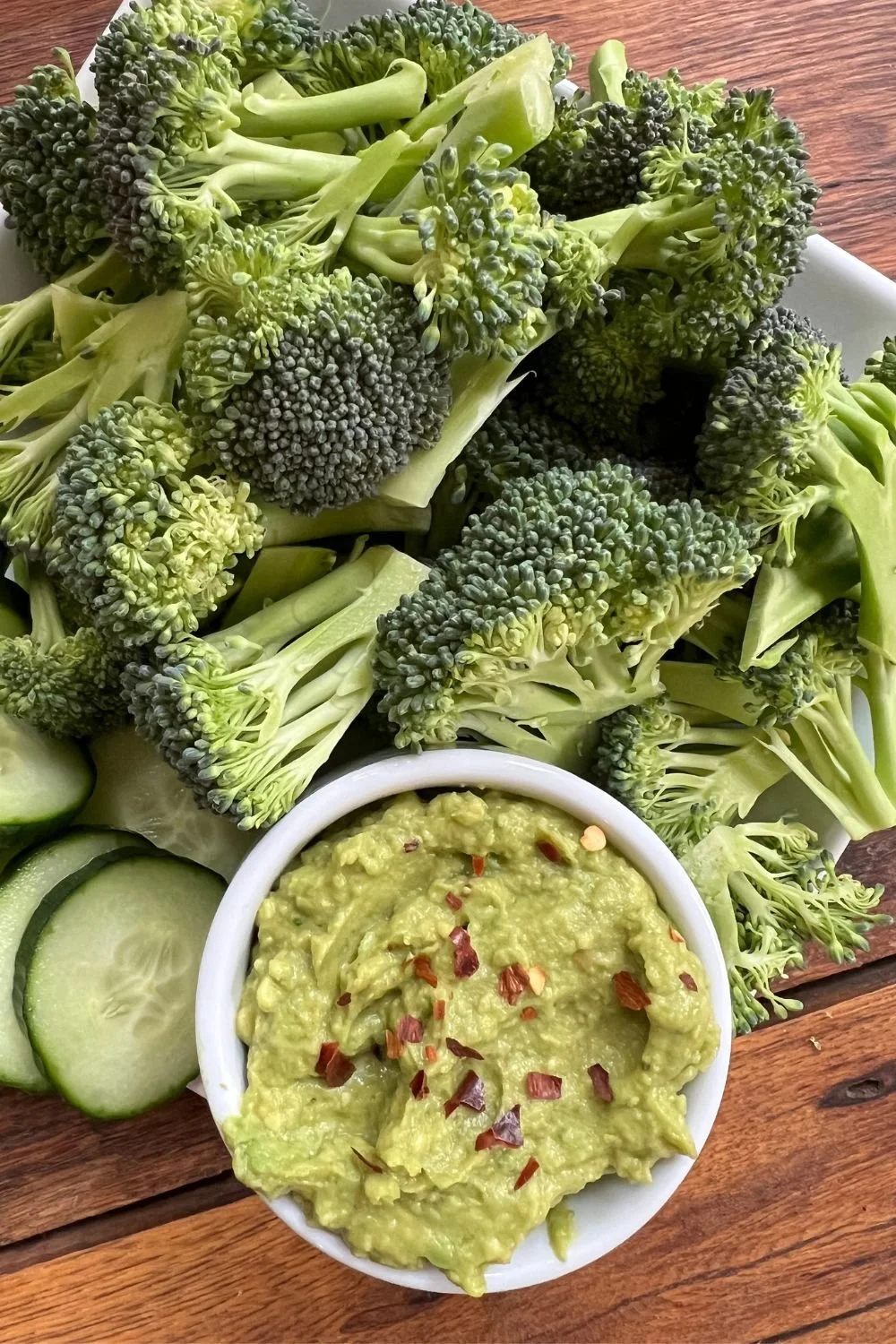
Fresh broccoli and cucumber with homemade guacamole-a simple nutrient-dense snack.
A Simple Day on the Hyper-Nourishing Protocol
Here is an example of what a typical day might look like:
Morning
Green smoothie with spinach, banana, mango, chia seeds, and water
Lunch
Large red cabbage salad with cucumbers, tomatoes, herbs, and avocado
Snack
Broccoli and cucumber with homemade guacamole
Afternoon
Second green smoothie
This easily meets the daily goals for greens, omega-3 fats, and hydration.
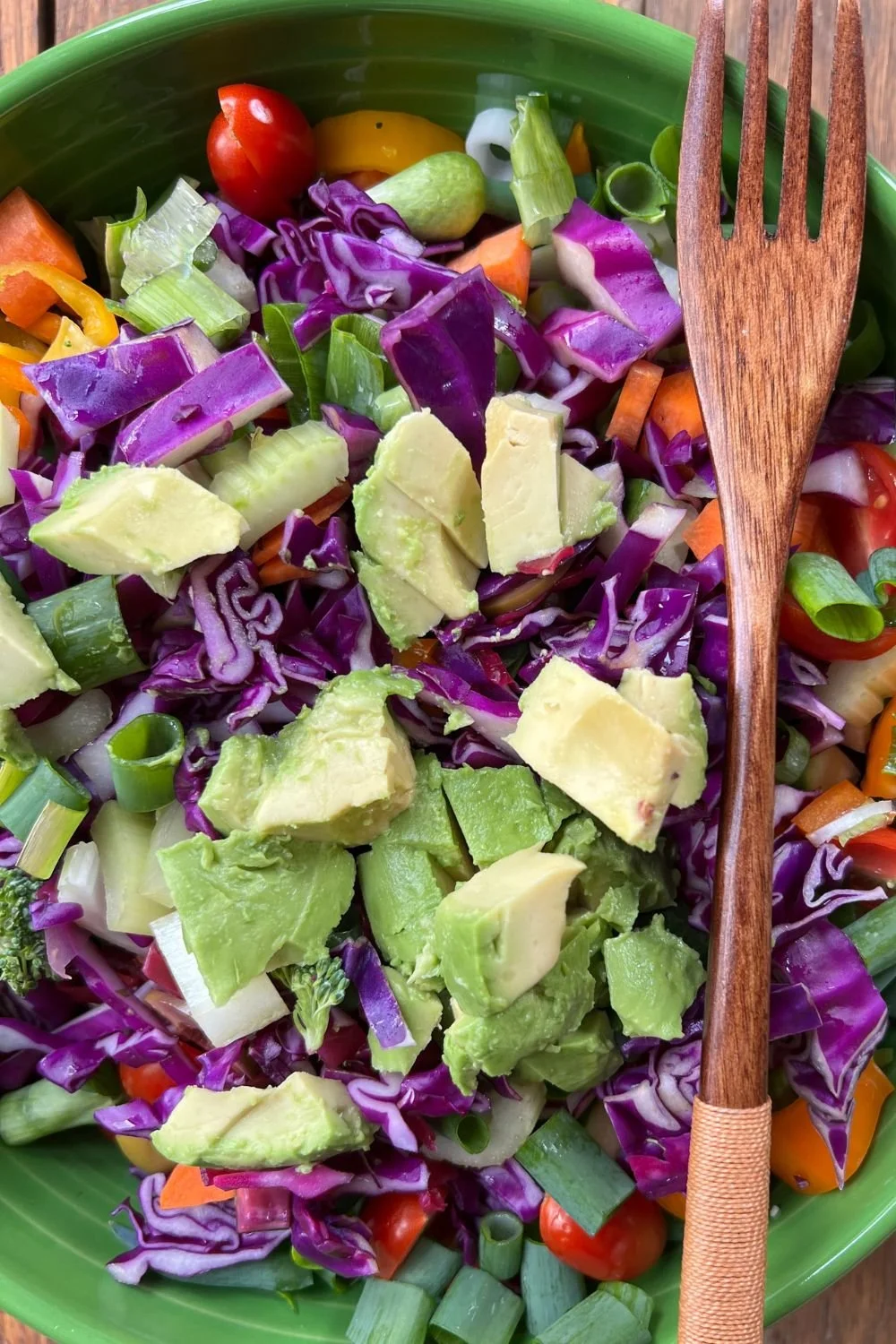
A vibrant red cabbage salad packed with fiber, antioxidants, and healthy fats.
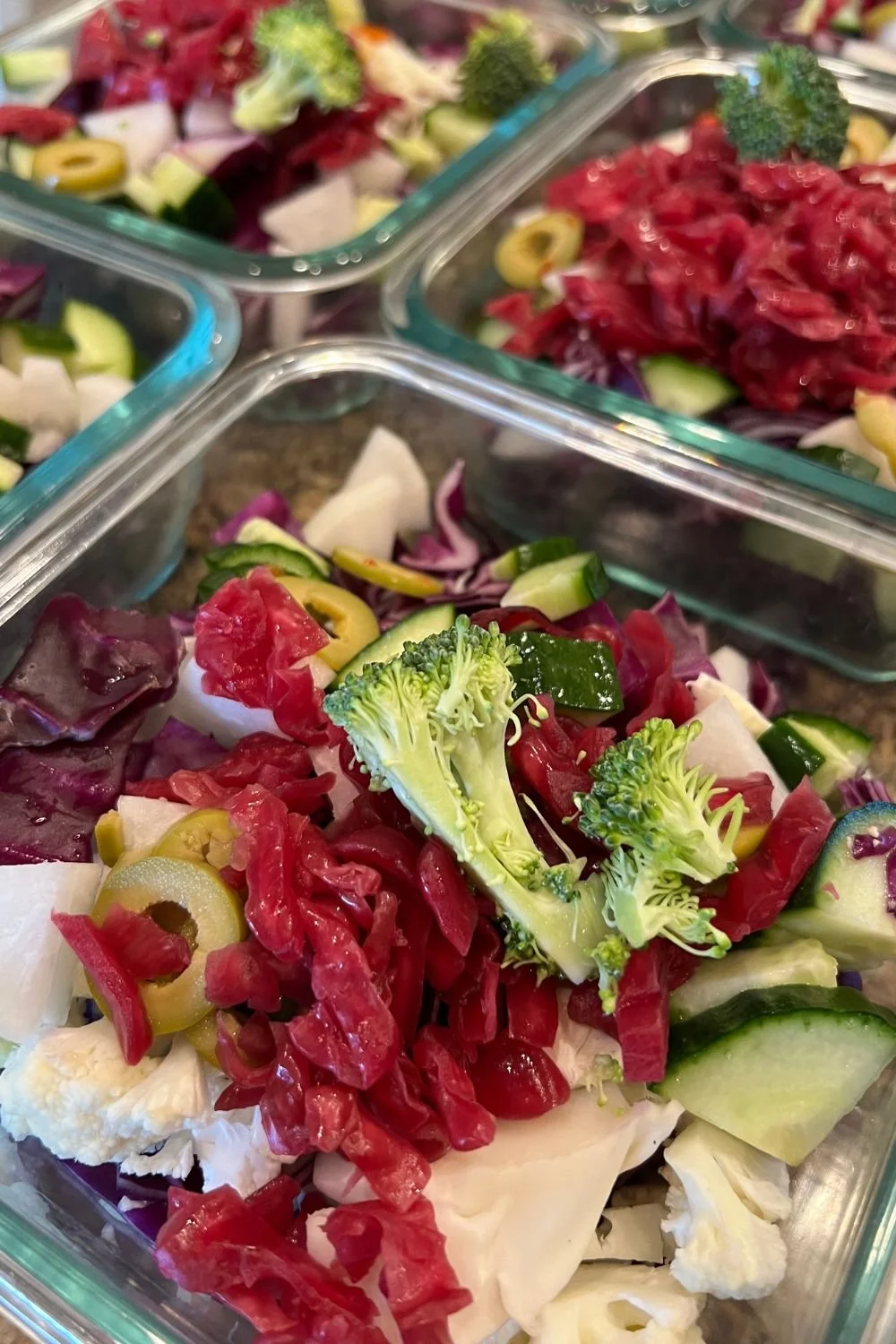
Simple cabbage-based meal prep bowls packed with colorful vegetables and probiotic-rich sauerkraut.
Go Slowly if Your Body Needs Time to Adjust
If you are coming from a typical Western diet that is lower in fiber, suddenly jumping into a very high-fiber way of eating can sometimes cause temporary digestive discomfort.
Foods like leafy greens, cruciferous vegetables, beans, flax seeds, chia seeds, and fermented foods are incredibly nourishing, but they are also rich in fiber and beneficial compounds that feed your gut microbiome.
For some people, introducing a large amount of these foods all at once may lead to symptoms like:
bloating
gas
temporary digestive discomfort
This doesn’t mean these foods are bad for you. In fact, it often means your gut microbiome is adjusting and beginning to thrive on better fuel.
However, there is no need to rush.
Start Slowly and Build Gradually
If you are new to eating this many plant foods, try easing into it:
Begin with one large smoothie or salad per day instead of several.
Add 1 tablespoon of flax or chia seeds at first rather than several.
Gradually increase your servings of cruciferous vegetables like broccoli, cabbage, and cauliflower.
Drink plenty of water as your fiber intake increases.
Over time, most people find their digestion improves dramatically as their gut microbiome adapts.
Listen to Your Body
Health isn’t a race. It’s a lifelong journey of learning what helps your body thrive.
If a fully “hyper-nourishing” day feels like too much at first, start where you are and build from there. Even small shifts toward whole plant foods can have a powerful impact on your health.
Who Can Benefit from the Hyper-Nourishing Protocol?
Many people explore this approach to support:
• reducing inflammation
• improving gut health
• increasing energy
• supporting immune function
• improving digestion
• managing autoimmune symptoms
Because the protocol emphasizes whole plant foods and omega-3 fats, it naturally fits within many anti-inflammatory diet principles.
Try a Simple 7-Day Experiment
If this way of eating feels inspiring but also a little overwhelming, don’t feel like you need to change everything overnight.
Instead, try this as a simple experiment for one week.
For the next 7 days, focus on adding a few hyper-nourishing foods to your daily routine.
You might try something like:
• Start the day with a green smoothie packed with leafy greens.
• Eat one large salad or veggie-rich bowl each day.
• Add a tablespoon of flax or chia seeds to a smoothie or salad.
• Include cruciferous vegetables like broccoli, cabbage, cauliflower, or Brussels sprouts daily.
You don’t have to be perfect. Just focus on adding more nourishing plant foods and see how your body responds.
Many people notice improvements in:
• energy
• digestion
• mental clarity
• cravings
within just a few days of eating more whole plant foods.
At the end of the week, pause and ask yourself:
How do I feel?
If you feel better, keep going and continue building on the habits that are working for you.
Frequently Asked Questions
Do I have to be fully plant-based to try this?
No. Many people begin by simply adding these foods into their current diet.
How quickly will I see results?
Many people report improvements in energy, digestion, and mental clarity within a few weeks.
Can I eat salads instead of smoothies?
Yes. Smoothies are simply one convenient option.
Why are chia and flax seeds recommended?
They provide omega-3 fatty acids, fiber, and minerals that support heart health and reduce inflammation.
A Note From My Own Experience
I first discovered the power of a whole food, plant-based way of eating years ago when I was searching for answers to some of my own health concerns. What began as curiosity quickly turned into a deep passion for learning about how food impacts the body.
Over the years I have spent thousands of hours studying nutrition and lifestyle medicine and eventually became a certified health coach through the Institute for Integrative Nutrition.
But beyond any formal training, the greatest teacher has simply been living this way of eating day after day and experiencing the benefits firsthand.
I share these ideas here on Green Food Crush because I truly believe that nourishing your body with vibrant plant foods can be one of the most empowering things you can do for your health.
My hope is that the information on this site encourages you to explore what helps your own body thrive.
Live vibrantly healthy! Michelle