What Is Inflammation? (And How to Calm It Naturally)
If you’ve been feeling stiff, tired, foggy, puffy, or just “off,” you may be dealing with something called chronic inflammation.
Inflammation isn’t automatically bad.
In fact, it’s one of your body’s smartest protective tools.
But when it doesn’t turn off, it can quietly drive many of the symptoms people struggle with every day.
Let’s break this down simply.
What Is Inflammation?
Inflammation is your body’s built-in alarm system.
If you cut your finger, your body sends:
Extra blood flow
Immune cells
Repair signals
That redness and swelling?
That’s acute inflammation — and it’s helpful.
The problem isn’t short-term inflammation.
The problem is when the alarm never shuts off.
Acute vs. Chronic Inflammation
Acute inflammation
Short-term. Protective. Necessary.
Example: a sprained ankle.
Chronic inflammation
Low-grade. Ongoing. Quiet.
Example: stiffness, fatigue, brain fog, skin flare-ups, metabolic issues.
Chronic inflammation is like a small fire that keeps smoldering in the background.
Over time, that background fire can contribute to:
Heart disease
Type 2 diabetes
Autoimmune conditions
Digestive disorders
Joint pain
Fatigue
Skin conditions like eczema
Mood imbalances
Most people don’t feel “inflamed.”
They just feel not optimal.
Common Signs of Chronic Inflammation

You don’t need a diagnosis to suspect inflammation.
Look for patterns like:
Morning stiffness (hands, hips, lower back)
Achy joints that improve once you move
Ongoing fatigue
Brain fog or slower thinking
Bloating or digestive discomfort
Frequent colds or slow recovery
Skin issues (eczema, acne, rashes)
Puffy fingers or face
Blood sugar crashes and cravings
Early waking between 1–3am
Trouble losing weight despite effort
These are incredibly common.
And they are not random.
What Causes Chronic Inflammation?
Modern life fuels it.
Common drivers include:
Ultra-processed foods
Excess sugar (even “natural” sugars in excess)
Poor sleep
Chronic stress
Sedentary lifestyle
Gut imbalance
Repeated blood sugar spikes
Lack of plant fiber and antioxidants
None of these happen overnight.
But over years, they add up.
How to Calm Inflammation Naturally
Here’s the encouraging part:
You don’t need a dramatic overhaul.
You need foundational shifts.
1. Add Leafy Greens Daily
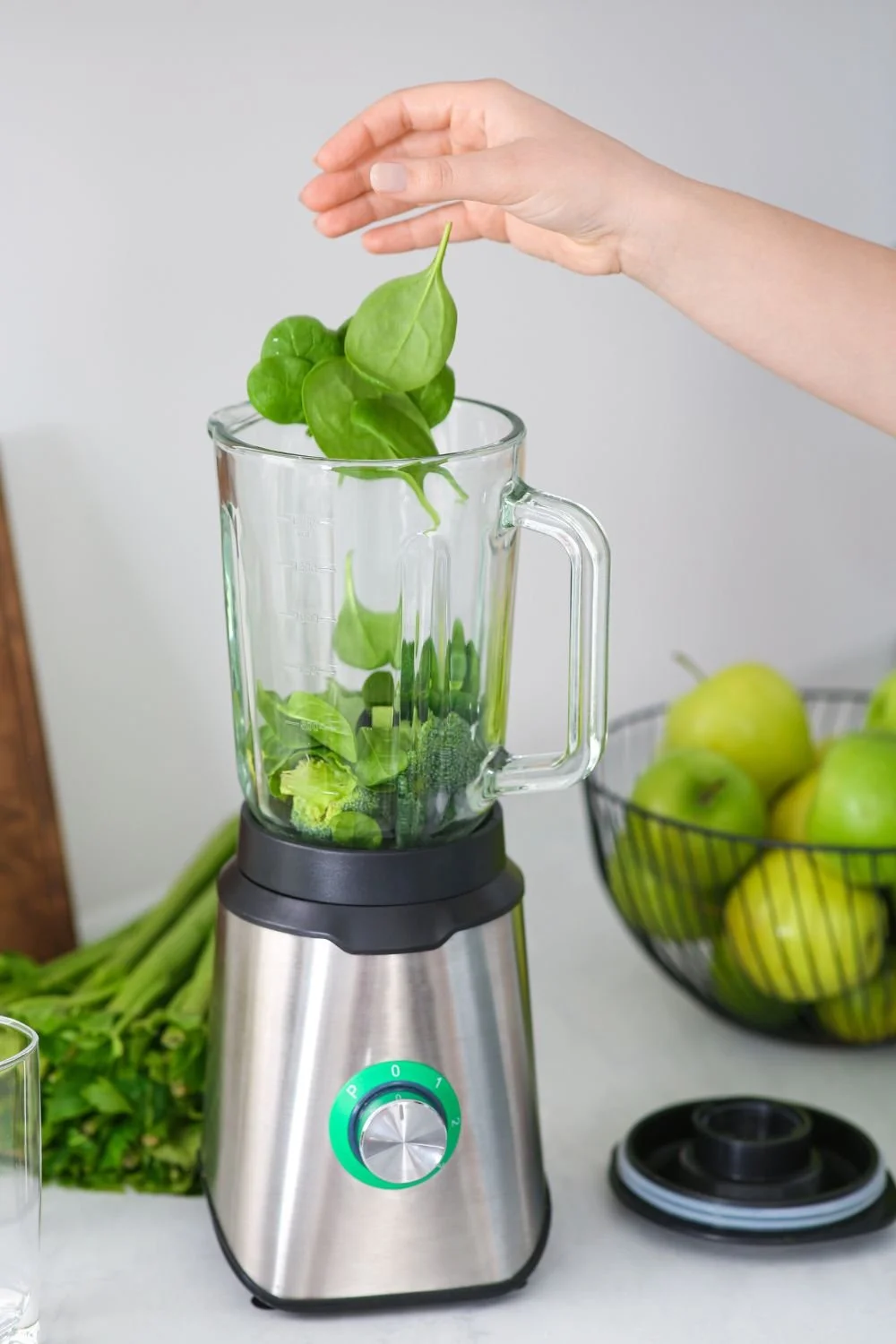
Leafy greens are rich in:
Antioxidants
Magnesium
Fiber
Phytonutrients that actively reduce inflammation
Start simple:
Add spinach to a smoothie.
Add arugula to dinner.
Sauté greens with garlic.
Consistency beats perfection.
2. Eat Whole, Real Foods Most of the Time
Build your meals around:
Vegetables
Fruits
Beans and lentils
Whole grains
Nuts and seeds
Whole plant foods calm inflammatory pathways and stabilize blood sugar.
Let them crowd out processed foods gradually.
3. Improve Sleep by 30 Minutes

Poor sleep increases inflammatory markers.
Simple steps:
Dim lights at night
Reduce screens before bed
Get morning sunlight
Go to bed slightly earlier
Small improvements create big downstream effects.
4. Get Morning Light and Move Daily

Gentle daily movement lowers inflammatory signaling.
You don’t need intense workouts.
Start with:
A 10–20 minute walk
Light stretching
Getting outside within an hour of waking
Movement tells your body:
It’s safe to relax.
5. Reduce Added Sugars and Ultra-Processed Foods

Frequent blood sugar spikes fuel inflammation.
You don’t have to eliminate everything at once.
Start by:
Replacing sweetened drinks with water or unsweetened tea
Swapping processed snacks for fruit and nuts
Reading labels and reducing added sugars gradually
Again — gradual wins.
6. Support Your Gut
A healthy gut lining helps regulate inflammation.
Focus on:
Fiber from whole plant foods
Fermented foods (if tolerated)
Reducing ultra-processed foods
Managing stress
If you suspect deeper gut issues, that’s when more targeted strategies can help.
There is hope
Inflammation is not your enemy.
It’s your body asking for better inputs.
When you calm inflammation, you may notice:
Less stiffness
Better energy
Clearer thinking
More stable moods
Improved digestion
Better sleep
And it often starts with very simple steps.
If you’re new to this approach, start with the basics in my post:
👉 Start Here: Simple First Steps to a Healthier, More Energized Life
You don’t need to fix everything.
You need to begin.
A Gentle Encouragement
If you’re reading this and recognizing yourself in some of these symptoms, I want you to know something important:
You are not broken.
Your body isn’t working against you. It’s responding to inputs. And the beautiful part about that is this — inputs can change.
You don’t have to overhaul your life this week. You don’t need perfection. You don’t need to panic.
Start with one step.
Add the greens.
Go for the walk.
Go to bed a little earlier.
Let your body feel the difference.
Inflammation is not a life sentence. It’s a signal.
And signals are meant to guide you — not discourage you.