A Beginner’s Guide to a Plant-Based Diet
WHY PLANTS?
Adopting a whole-food plant-based way of eating can be a powerful way to support your health, energy, and long-term well-being.
Research consistently links diets rich in vegetables, fruits, whole grains, beans, nuts, and seeds with a lower risk of many chronic diseases, including heart disease and type 2 diabetes. And for some health conditions, meaningful dietary changes can also improve important markers like blood pressure, blood sugar, cholesterol, and body weight.
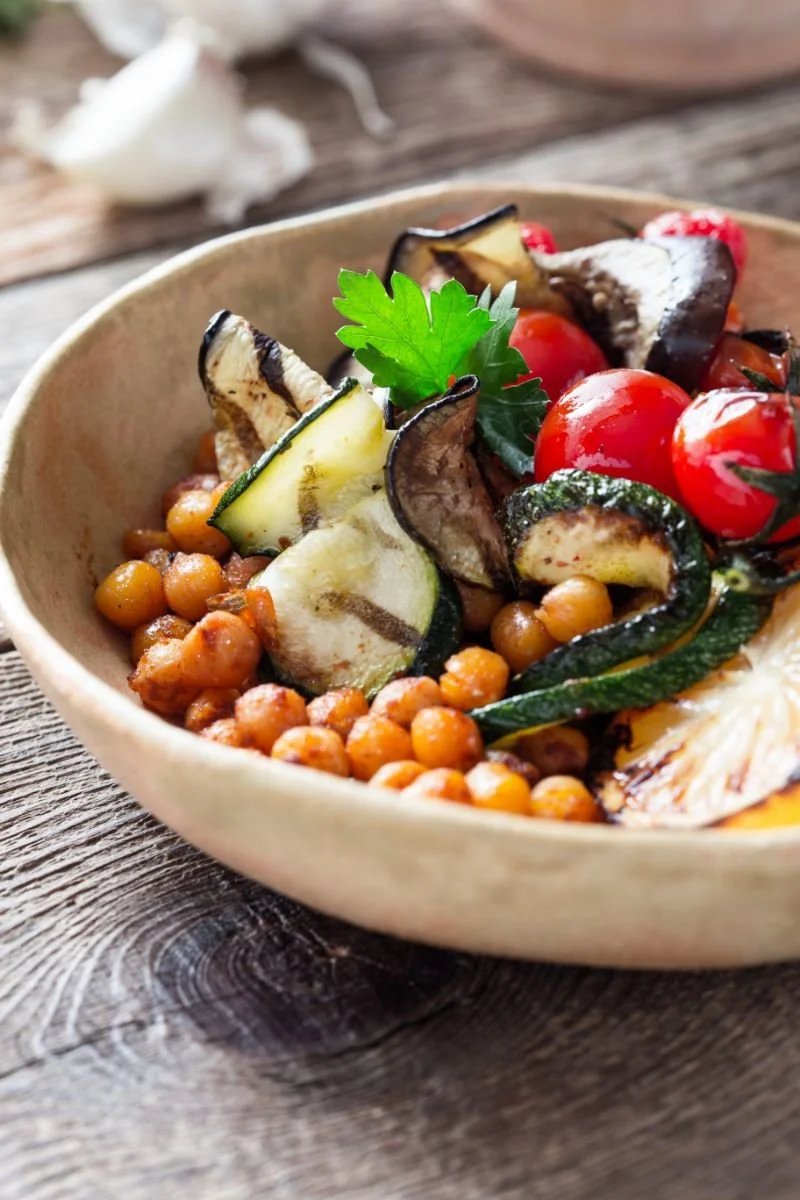
What Is a Whole-Food Plant-Based Diet?
“Plant-based” simply means building your meals around foods that come from plants—vegetables, fruits, whole grains, beans, lentils, nuts, and seeds.
“Whole food” means choosing those foods as close to their natural form as practical, rather than relying heavily on refined or ultra-processed products.
One of the things I love most about whole plant foods is that you can build really satisfying meals without obsessing over tiny portions. Foods like vegetables, fruits, beans and intact whole grains contain fiber and water, which add volume and help meals feel filling.
And this is much bigger than simply eating fewer calories or trying to lose weight. Whole plant foods bring along fiber, vitamins, minerals, antioxidants and thousands of naturally occurring plant compounds. The goal is not to eat less food. It’s to make more of the food you eat wonderfully nourishing.
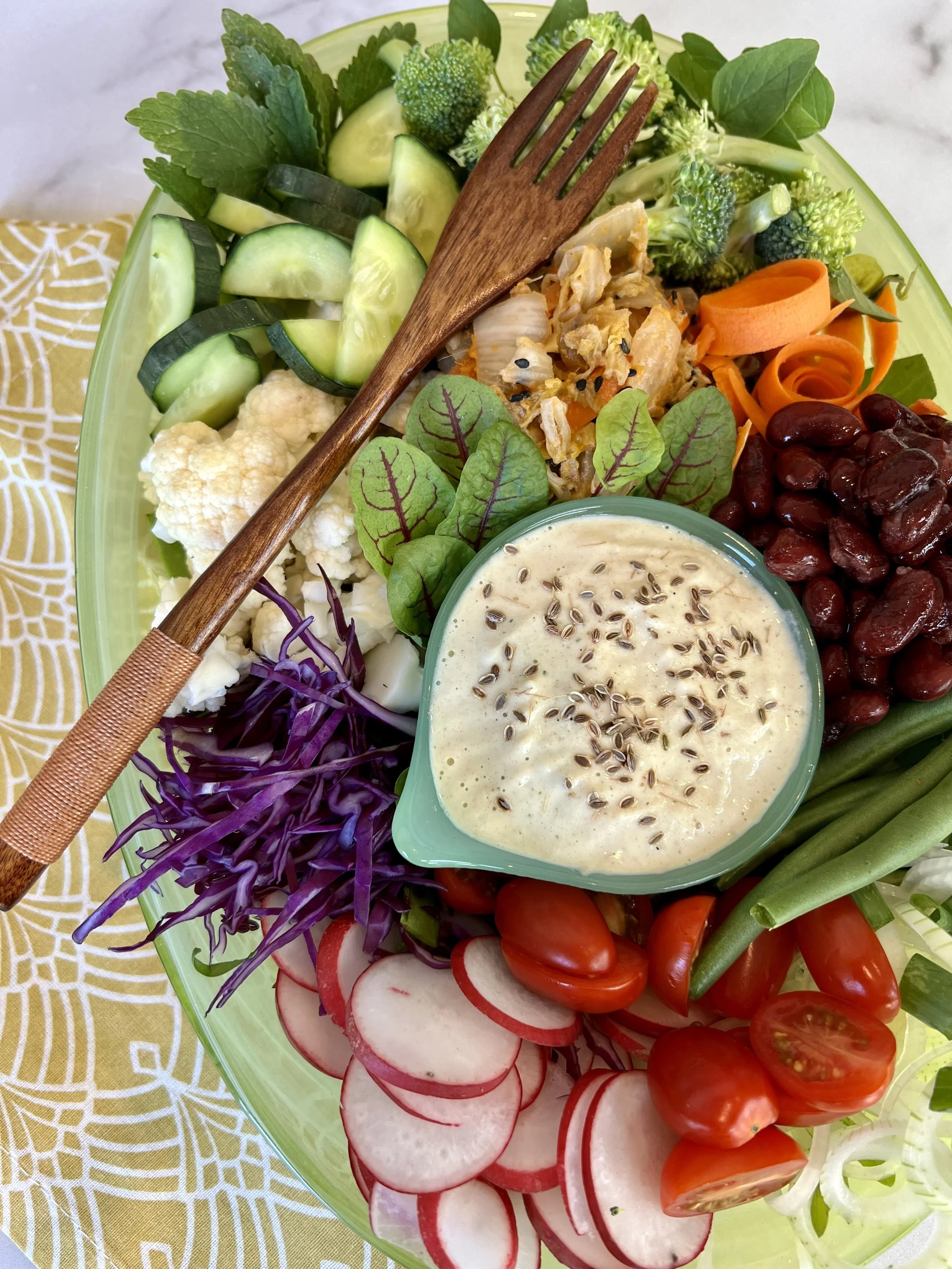
What Foods Will You Be Enjoying?
The choices really are endless. A whole-food plant-based diet can include an enormous variety of colorful, satisfying foods, and there are more recipes, cookbooks, websites, and ideas available now than ever before.
VEGETABLES: cauliflower, bell peppers, carrots, broccoli, kale, radishes, celery, tomatoes, purple cabbage, lettuce…And if you’ve been around Green Food Crush very long you will notice I’m always talking about broccoli, cabbage, kale, and their cousins, here’s why cruciferous vegetables deserve some extra attention.”
FRUITS: bananas, mango, pineapple, citrus, strawberries, blueberries, apples, melons, berries…
WHOLE GRAINS: oats, quinoa, barley, millet, brown rice, farro…
LEGUMES: black beans, garbanzo beans, lentils, kidney beans, pinto beans…
TUBERS AND STARCHY VEGETABLES: sweet potato, potatoes, winter squash, green peas, turnips, beets…
There are plenty of other options too, including nuts, seeds, tofu, tempeh, whole-grain breads and pastas, plant-based milks, and one of my personal favorites—avocado. The more variety you bring in, the more fun this way of eating becomes!
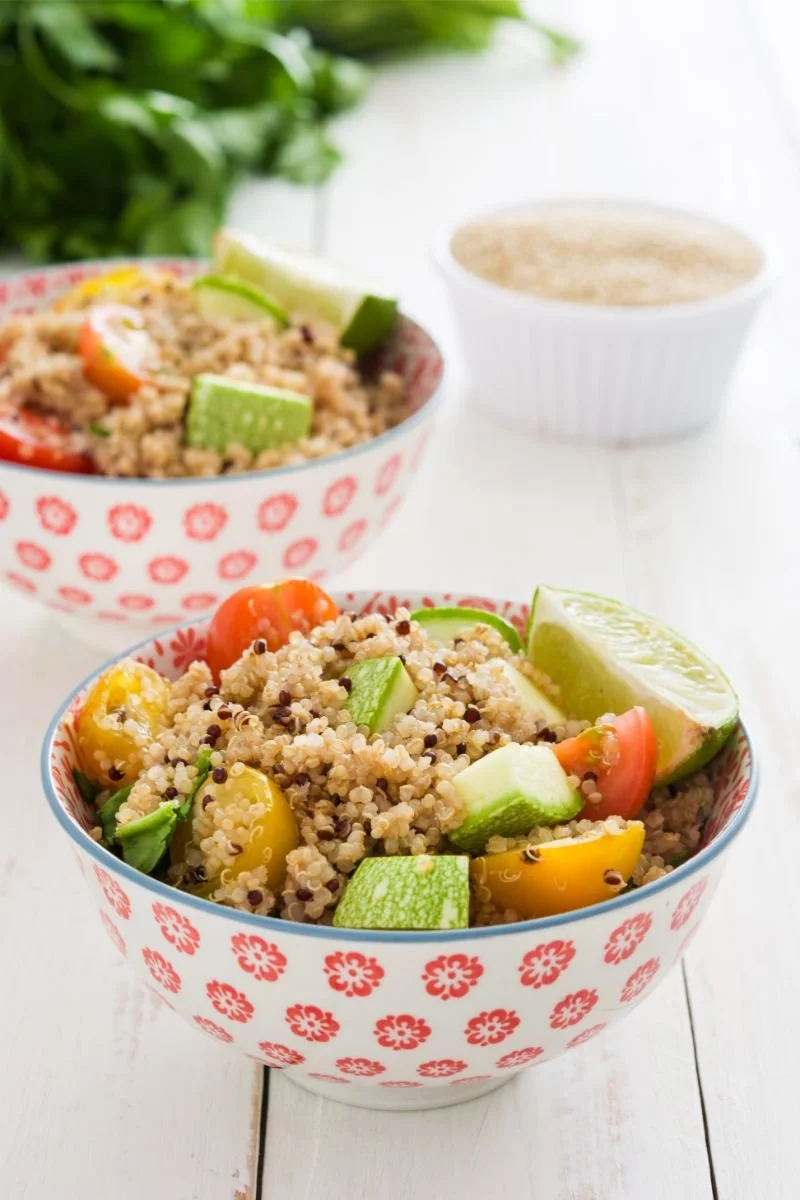
Quinoa and veggie power bowl
HOW TO GET STARTED
Some people are ready to go all in and enthusiastically embrace this lifestyle change, while others prefer to dip their toes in the water and see what they think!
When I began this journey several years ago, I fell into the first category. I had some concerning health issues that weren’t going away.
I felt crummy overall and was just tired of being tired! My birthday in 2018 was the weekend I decided to go 100% WFPB, and mylife changed incredibly for the better, and I haven’t looked back!
I like to tell people that if you are healthy with no health concerns, you have more leeway with your diet.
However, going all in is best if you have a disease or health concern and would like to improve it.
If you’re dealing with a more serious health concern and want to understand a more structured approach, you may also want to read my guide to Dr. Brooke Goldner’s Goodbye Autoimmune Protocol.
If you’re trying to make a meaningful change in your health, sometimes going all in for a season can actually be easier than constantly negotiating with yourself. When the foods you’re trying to move away from are still part of your everyday routine, it can be hard to give your taste buds and habits a chance to change. Creating a little space from ultra-processed foods, added sugars, and other foods that keep us reaching for more can help whole plant foods taste better—and make your new way of eating feel more natural.
This is also why I’m not a huge fan of the idea of a “cheat day.” If certain foods leave you wanting more of them, bringing them back every weekend can make it harder to establish new habits. You don’t have to eat perfectly, but giving yourself some time to discover foods you genuinely enjoy—and to notice how different foods make you feel—can make healthy eating much easier over time.
One of the simplest things I’ve learned is to make the foods I want to eat the easiest foods to reach for. I keep plenty of fruits, vegetables, whole grains, beans, nuts and seeds around and don’t routinely stock the highly processed foods I’m trying not to eat. It removes a surprising amount of decision-making and helps this way of eating feel less like willpower and more like everyday life.
If changing everything at once feels overwhelming, my Start Here guide breaks healthy eating down into one simple step at a time.
If you’re curious and want to learn more, documentaries can be a fun place to start. They were part of what made nutrition fascinating to me in the beginning, and they can introduce you to ideas and researchers you may want to explore further.
Forks Over Knives-watch on YouTube
What The Health-watch on Amazon Prime or Youtube
The Game Changers-watch on Netflix, Amazon Prime or Youtube
I wish you the best of luck as you explore this amazing and life-changing way of eating!