How to Start Living Healthier: Simple Steps That Actually Feel Doable
If you want to start eating healthier, moving more, sleeping better, and taking better care of yourself but feel overwhelmed by where to begin, this guide is for you.
You do not need to overhaul your entire life today.
You do not need the perfect diet, an elaborate exercise plan, a cabinet full of supplements, or a refrigerator that looks like it belongs on Instagram. You just need a place to begin, and there are simple things you can do today that give your body more of what it needs.
Maybe something about your health has gotten your attention. Maybe you want more energy. Maybe you simply know you could be taking better care of yourself and are not quite sure what would make the biggest difference.
Wherever you are beginning, start with what you can do now.
One Good Thing Still Counts
This may be the most important thing I can tell you about living healthier:
Healthy living is not all-or-nothing.
Maybe breakfast was not especially nourishing. That does not mean the rest of the day is ruined. Maybe you have not exercised in years. You can still take a ten-minute walk today. Maybe your refrigerator is nearly empty. You can pick up some bananas, frozen berries, greens, or a few other simple foods the next time you are at the store.
Every nourishing choice gets to count.
Instead of looking at everything you want to change and wondering how you will possibly do it all, ask yourself a much smaller question:
What is one good thing I can do today?
That one question can take you surprisingly far.
Start With Healthy Food
Food is one of my favorite places to begin because every meal gives you another opportunity.
And we can make this remarkably uncomplicated:
Eat more whole plant foods.
You do not need to change everything you eat. You do not need to give up all of your favorite foods. And you definitely do not need to understand nutrition science before you begin.
Start by bringing more fruit, vegetables, beans, lentils, whole grains, nuts, seeds, herbs, and spices into the meals you already eat.
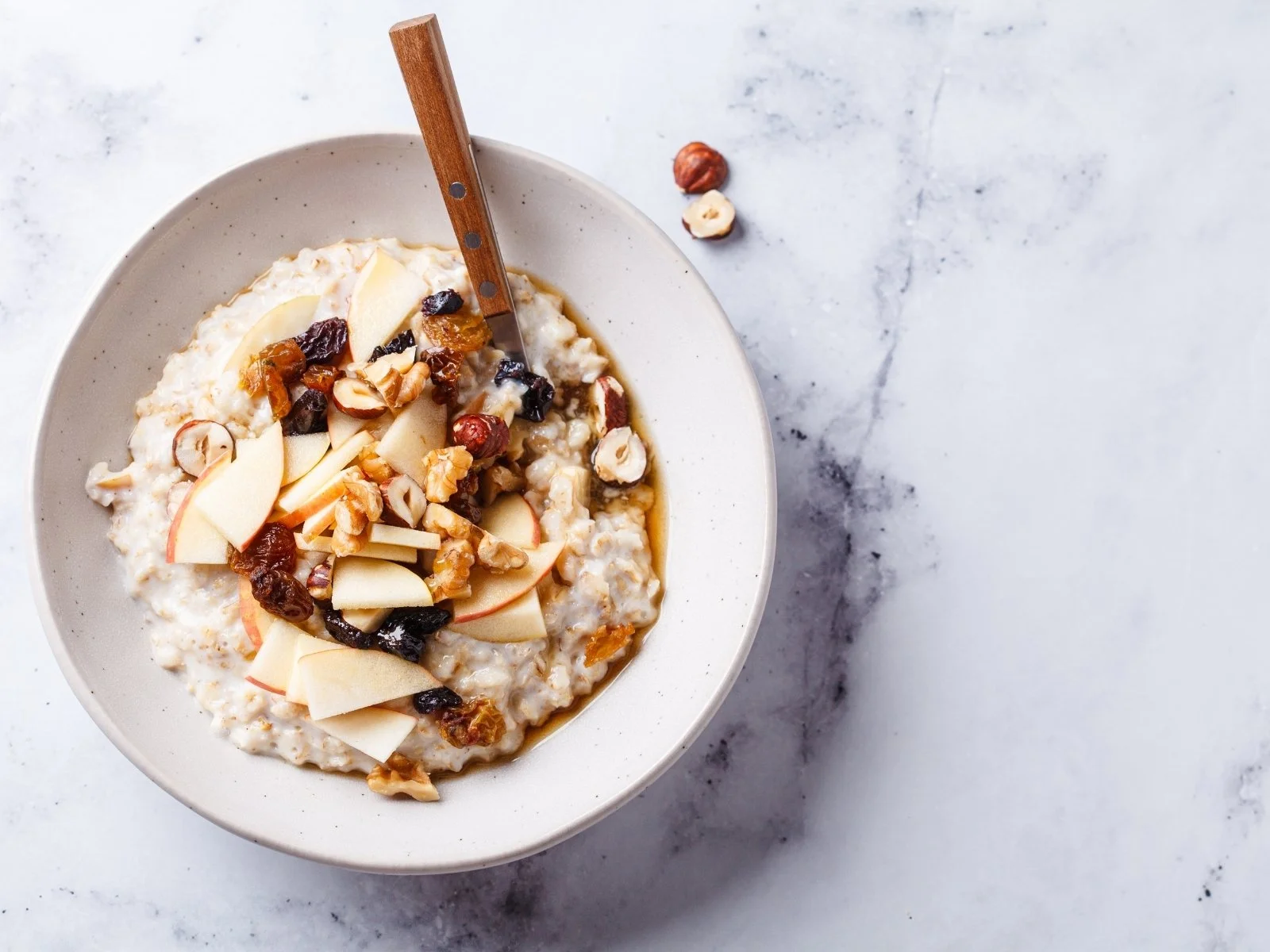
Put berries on oatmeal. Eat a banana with breakfast. Add beans to soup or a salad. Have an apple for a snack. Put another vegetable on your dinner plate. Try a baked potato topped with beans and vegetables. Sprinkle some ground flax over oatmeal or cereal.
None of those things requires a dramatic lifestyle overhaul. They are simply ways of giving your body more nourishment.
And start with foods you actually like.
If you love strawberries, eat strawberries. If potatoes are familiar and easy, start there. If carrots are the one vegetable you are happy to eat right now, wonderful. Buy carrots.
You can build from there.
Make Healthy Eating Easier
Knowing what we want to eat and actually having it available when we are hungry are two different things.
A little preparation can make healthy eating much easier.
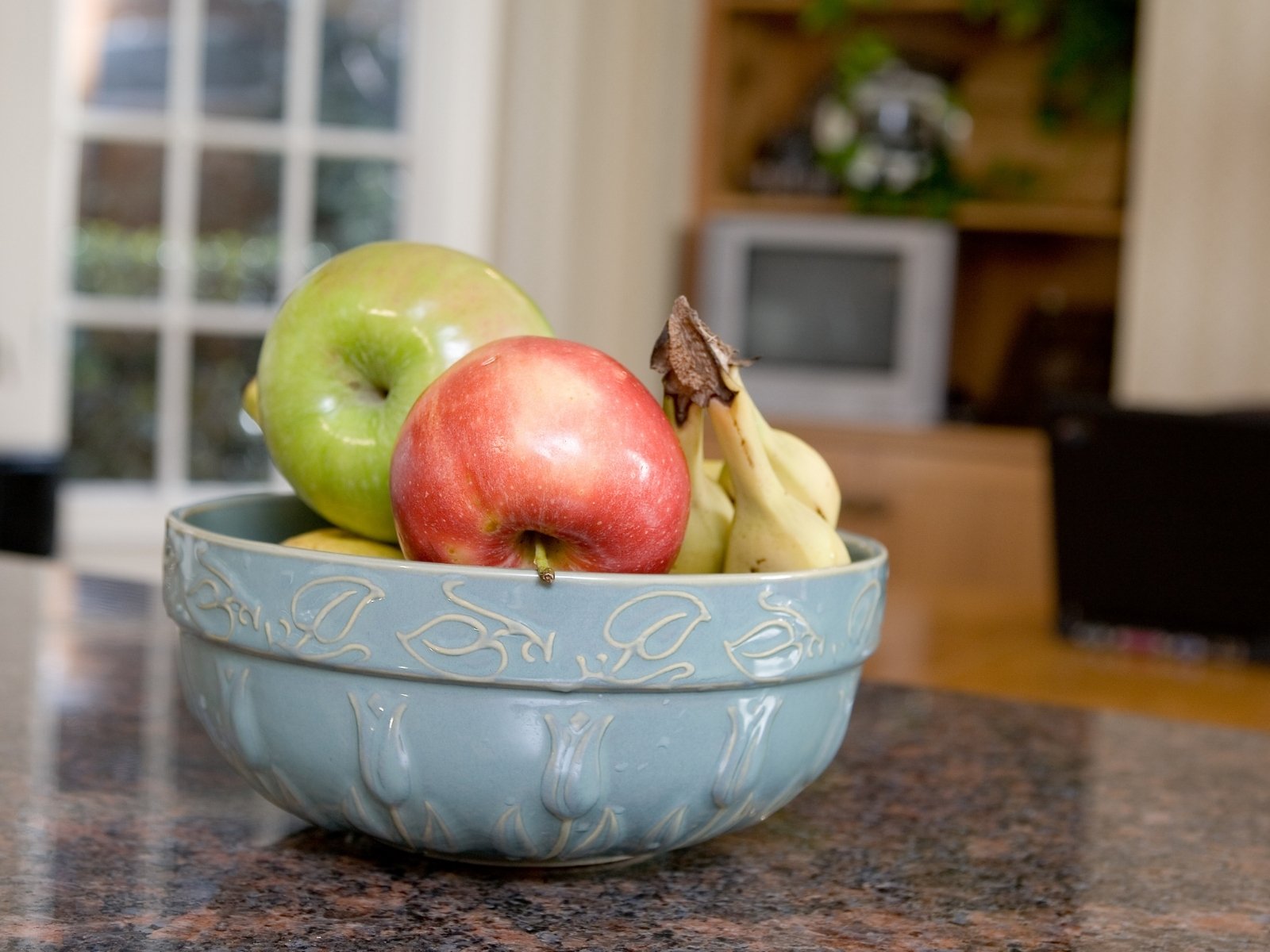
Keep fruit somewhere you can see it. Buy frozen berries so you do not have to worry about them spoiling. Keep canned or cooked beans in the pantry or refrigerator. Buy prewashed greens if that makes you more likely to eat them. Wash a few vegetables when you bring them home. Make enough dinner to create tomorrow’s lunch.
You do not need a complicated meal-prep system. You simply want nourishing foods to be the easy choice when you are hungry.
Find a few meals you genuinely enjoy, and keep the ingredients on hand.
For me, one of those easy foods is a green smoothie.
Try a Simple Green Smoothie
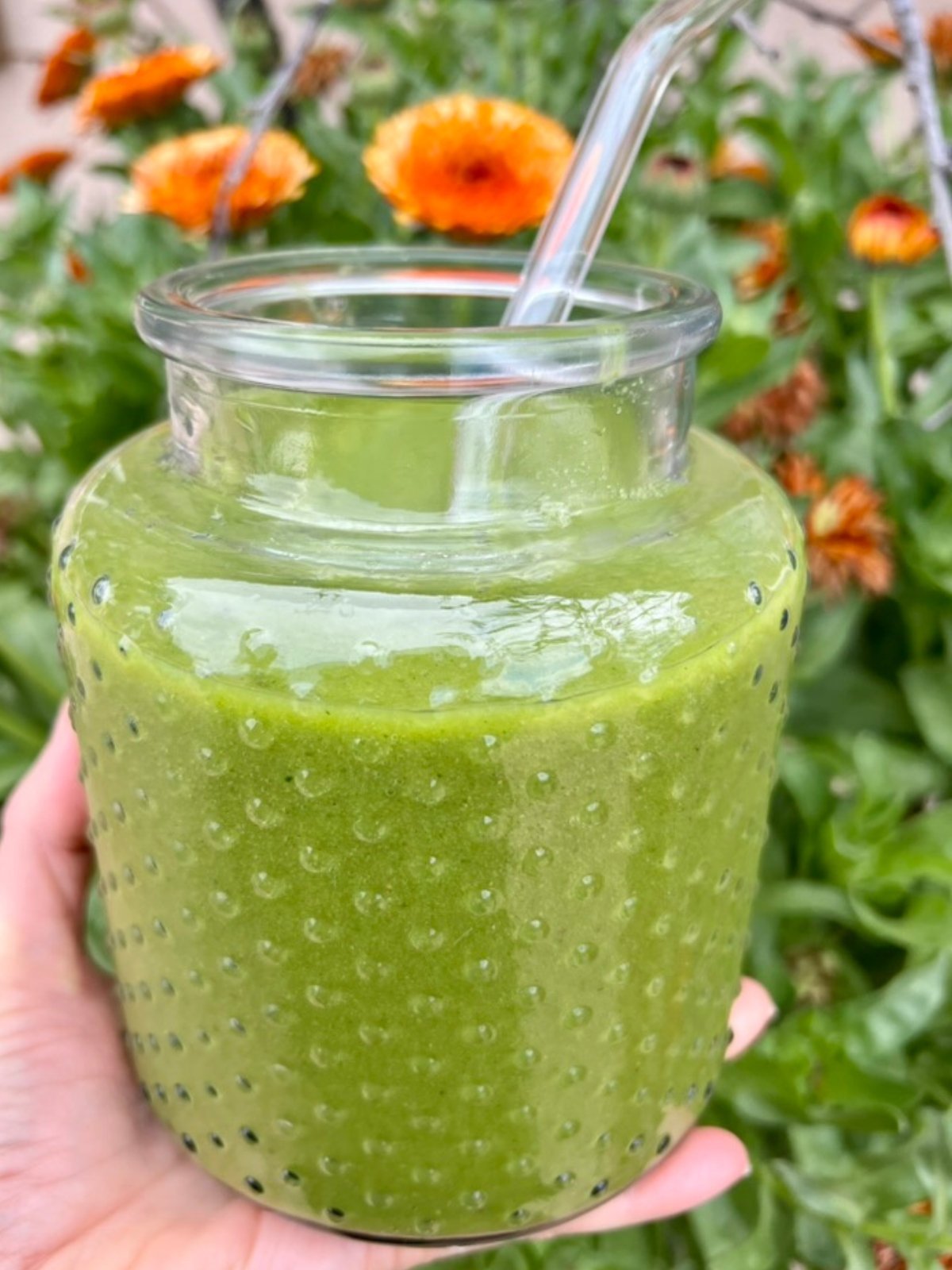
A green smoothie can be one of the easiest ways to get fruit and leafy greens into your day, especially on a busy morning.
A very simple beginner smoothie might include:
2–3 large handfuls of leafy greens
1 banana
½ cup frozen mango or pineapple
1–1½ cups water or unsweetened plant milk
Blend until smooth.
That is enough to start.
Later, if you want to experiment, you can add things like berries, ground flax, lemon, ginger, or different greens. But you do not need a complicated recipe to make a smoothie worthwhile.
And if smoothies are not your thing, do not make smoothies.
Your easy breakfast might be oatmeal with berries, whole-grain toast with peanut butter and fruit, or something else that works well in your life.
The goal is to find nourishing foods you can eat regularly.
Drink More Water
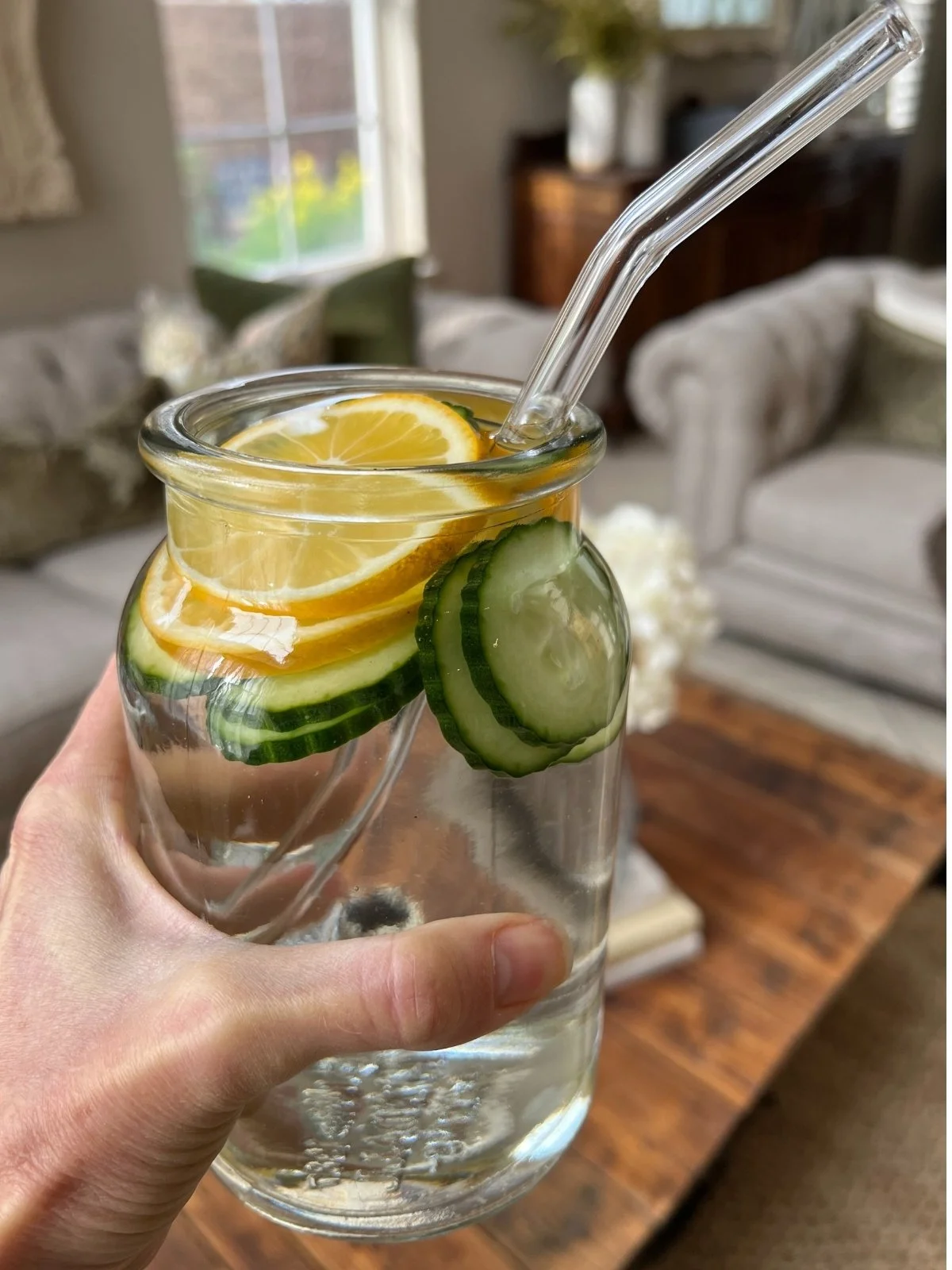
Hydration sounds almost too simple to deserve its own section, but it matters.
Your body depends on water throughout the day, and many people simply don't drink enough.
You do not need to jump immediately to some enormous daily target. Start by making water easier to remember.
Drink a glass when you wake up. Keep a bottle or glass near you. Refill it when it is empty.
If you are not drinking much water now, simply drinking more than you did yesterday is a perfectly reasonable beginning.
Move Your Body
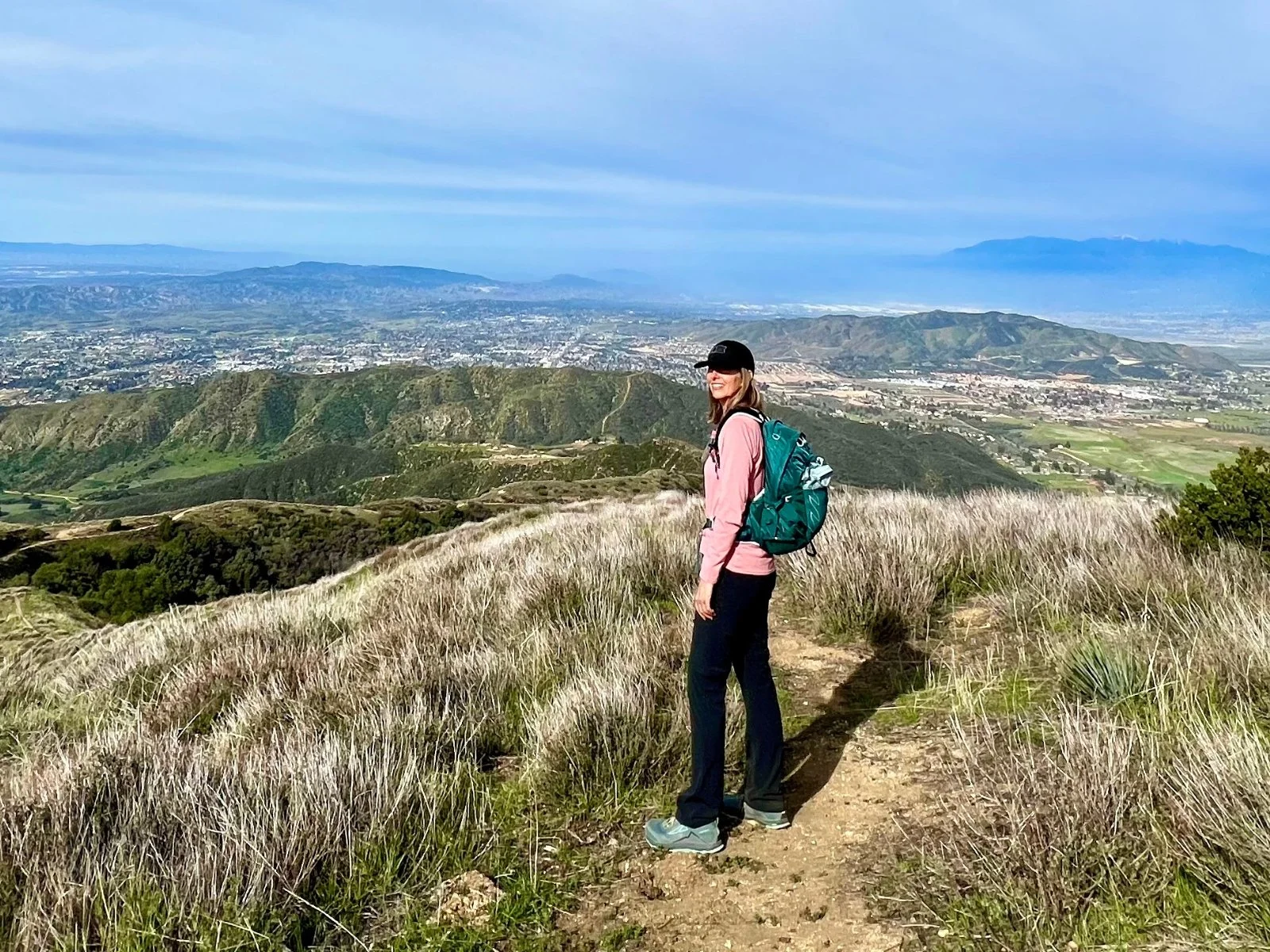
Getting healthier does not require becoming a gym person.
Movement can start very small.
Walk around the block. Walk to the mailbox. Garden. Ride a bike. Stretch. Take the stairs when it makes sense. Put on music and move around the house. Do a few simple strength exercises.
If you have been inactive for a long time, ten minutes of walking is not “nothing.”
It is ten minutes of walking.
As you get stronger and movement becomes more familiar, you can gradually do more.
Strength training becomes especially valuable as we get older because maintaining muscle and bone helps preserve the strength and capability that allow us to keep doing the things we love.
But if you are just beginning, you do not need to build the perfect exercise program today.
Move a little more than you have been. Then build from there.
Give Sleep Some Attention Too

Food and exercise get a lot of attention when people talk about health, but sleep deserves a seat at the same table.
One of the simplest things you can do is give yourself enough opportunity to sleep.
Try going to bed a little earlier. Dim the lights in the evening. Spend less time looking at bright screens before bed. Keep your room dark and comfortable. Step outside in the morning and experience natural daylight.
You do not need to create a flawless sleep routine overnight.
Choose one thing that might help and try it consistently.
Healthy living is built from a collection of ordinary habits, and sleep is one of them.
Let the Rest of Your Life Support You Too
Health is not only about what we eat. It is also shaped by the way we move, sleep, rest, spend our time, and care for ourselves day after day.
Spend some time outside. Connect with people you love. Make room for what brings you joy. Notice which parts of your daily life help you feel well, and where one small change might offer a little more support.
Choose Your Starting Point
At this point, please don't look back over everything you just read and decide you are supposed to start doing it all tomorrow.
Pick something.
Maybe tomorrow morning you drink a glass of water and eat some fruit. Maybe you buy frozen berries. Maybe you add beans to lunch, take a ten-minute walk, or go to bed thirty minutes earlier.
Choose something that feels realistic enough that you are actually willing to do it.
Do that for a while.
Then add another good thing.
Some people reach a point when they feel ready to make several changes at once. If that is you, wonderful. Stock the refrigerator. Make the smoothie. Start walking. Fill the water bottle. Give yourself enough time to sleep.
There is not one correct pace.
The goal is not to create the most impressive health routine.
The goal is to start caring for yourself in ways you can keep up.
Learn the Why as You Go
This is where Green Food Crush gets really fun.
Once you start eating more berries, beans, greens, whole grains, herbs, seeds, and vegetables, you may start wondering why these foods matter so much.
What does fiber actually do?
What is the gut microbiome?
Why are certain vegetables so good for us?
Why does building muscle become increasingly important as we age?
How does morning light affect our sleep?
Those are the kinds of questions I love exploring.
The more I have learned about nutrition and lifestyle, the more amazed I have become by the human body and by how responsive it can be to the way we care for it.
But you do not need to understand all of that before you begin.
That is what the rest of Green Food Crush is for.
You can learn the why as you go.
And sometimes understanding why something matters makes the healthy choice feel less like following someone else’s rules and more like making an informed decision for yourself.
Where Would You Like to Go Next?
Once you have chosen your first small step, follow whatever feels most useful to you.
I want to start eating more plants.
Start with my Beginner’s Guide to Whole-Food Plant-Based Eating.
I want an easy way to eat more greens.
Try my Guide to Making a Green Smoothie.
I want to understand my gut.
Explore What Is the Gut Microbiome?
I am curious about fermented foods.
Read my Health Benefits of Fermented Foods.
I want to learn more about vegetables that support health.
Head over to my deeper guide on cruciferous vegetables.
You can explore all of them eventually.
For today, choose the one that makes you curious.
You Can Begin Today
Taking care of your health is something you get to practice over a lifetime.
There will always be more to learn, more foods to try, more ways to move, and more discoveries about these extraordinary bodies we have been given.
But you do not have to wait until you know everything.
Take what you learn and put it into practice in ways that fit your life.
Choose what works. Keep the things that help. Build from there.
And remember that every time you give your body something nourishing—a good meal, a glass of water, a walk outside, a good night’s sleep—you have done something worthwhile.
One good thing still counts.
And you can do one good thing today.