What Is the Gut Microbiome? The Tiny Organ That Influences Nearly Every Aspect of Your Health
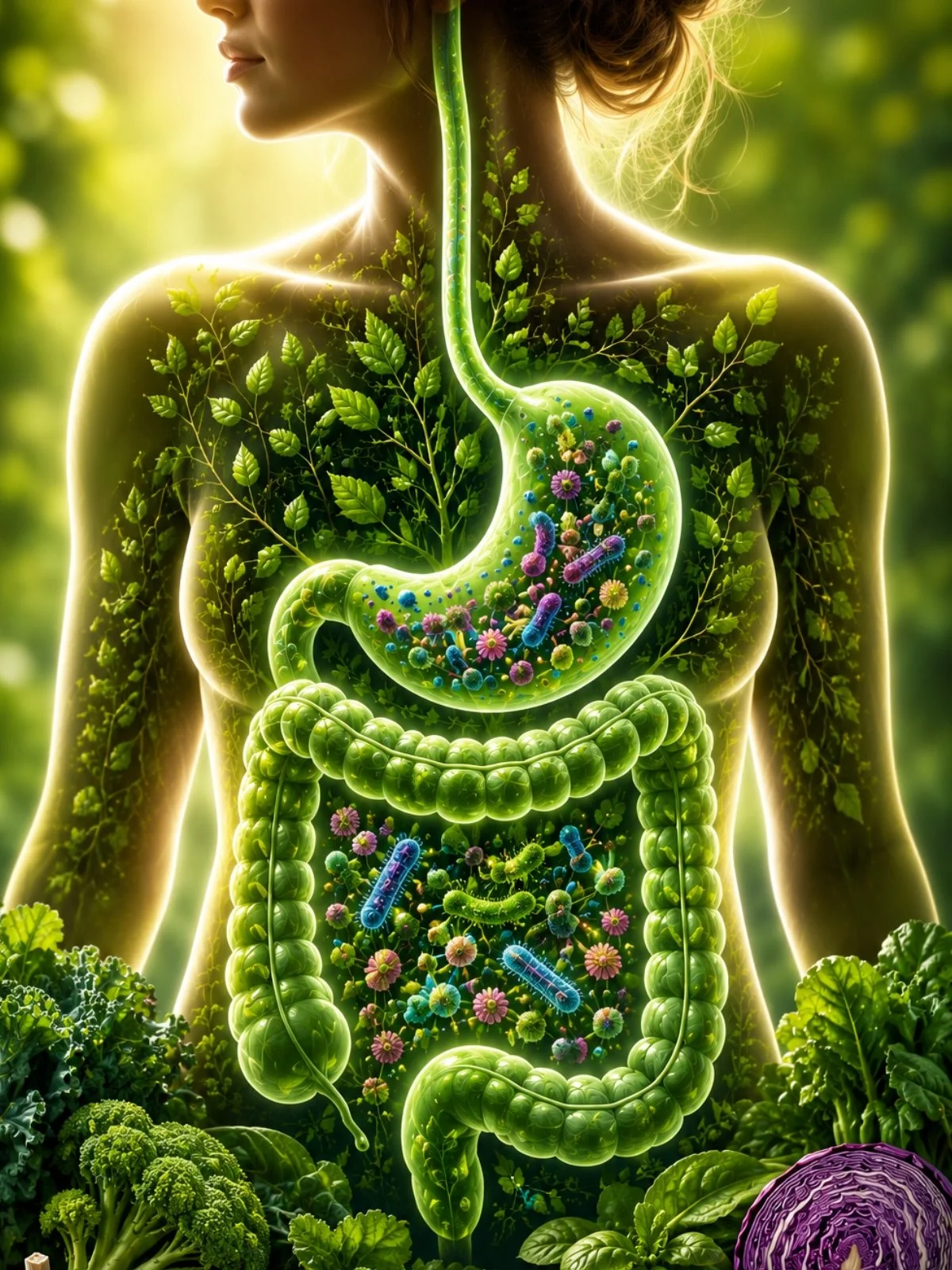
There is an entire world living inside you.
Right now, trillions of microorganisms are making their home in and on your body, with one of the largest and most fascinating communities living inside your digestive tract. They are breaking down parts of your food, producing useful compounds, interacting with your immune system, communicating with your intestinal lining and even participating in conversations between your gut and your brain.
And until fairly recently, we had very little idea how important they were.
This community is known as your gut microbiome, and learning about it completely changed the way I think about health. The more I understand about this invisible ecosystem, the more amazed I become by how beautifully interconnected the human body really is.
Because when we eat, we’re not only feeding ourselves.
We’re feeding them, too.
And what happens next can ripple throughout the body.
What Exactly Is the Gut Microbiome?
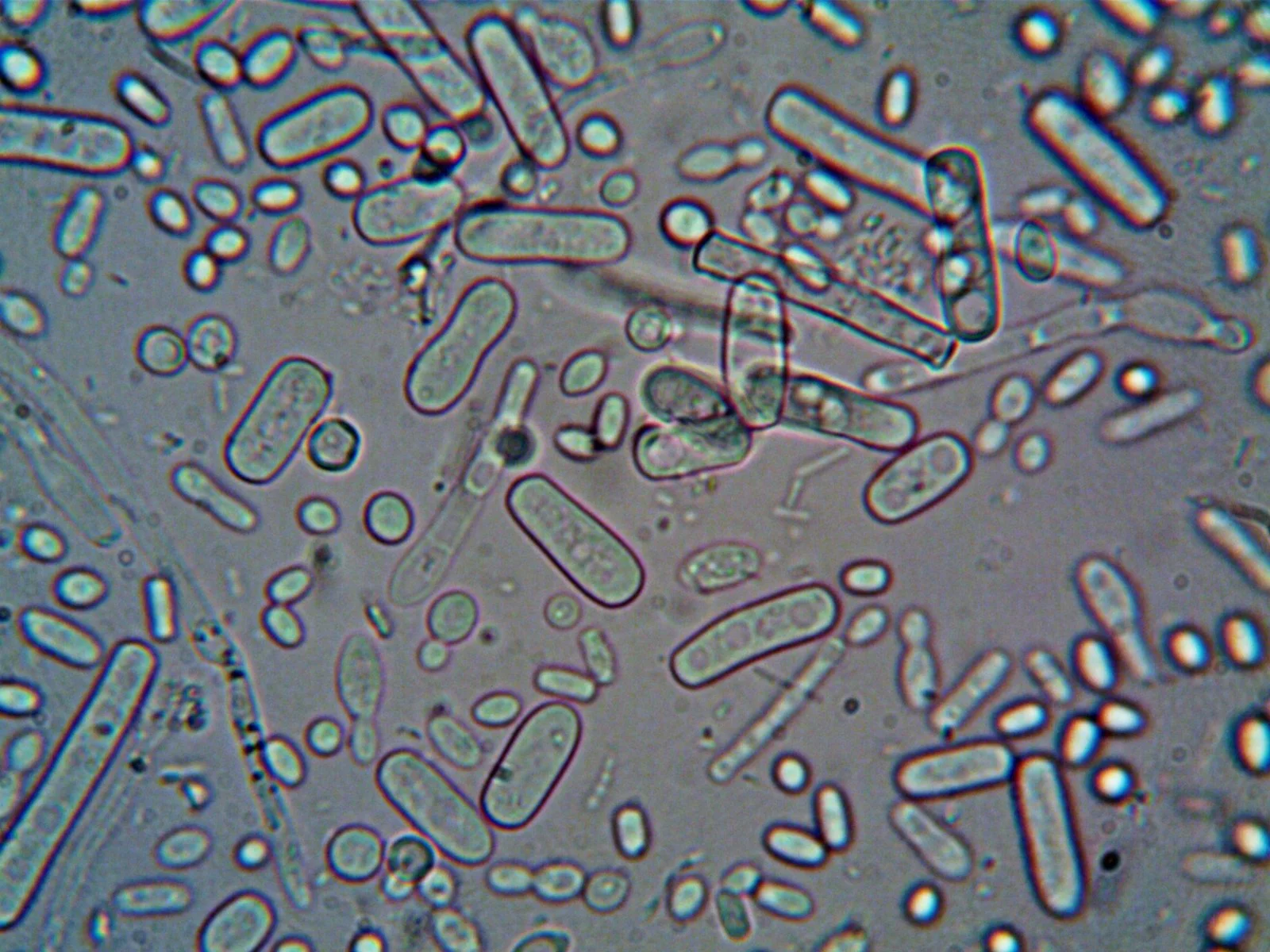
In simple terms, your gut microbiome is the complex ecosystem of microorganisms living in your digestive tract, particularly your large intestine. It includes bacteria, viruses, fungi and other microscopic organisms, along with their genes, the compounds they produce and the environment they inhabit.
You’ll sometimes hear the words microbiome and microbiota used interchangeably. Technically, microbiota refers to the microorganisms themselves, while microbiome describes the broader microbial ecosystem.
Either way, we’re talking about an extraordinary community.
And bacteria aren’t automatically bad. Many of the microbes living peacefully inside us perform functions that support our health, while others may be harmless under normal circumstances but become troublesome when the ecosystem is disturbed.
That last part matters.
Gut health isn’t simply a battle between “good bugs” and “bad bugs.” Your microbiome behaves much more like an ecosystem—and ecosystems depend on relationships, balance and resilience.
Your Microbiome Is Uniquely Yours
There isn’t one perfect collection of gut bacteria that every healthy person should have.
Your microbiome is influenced by an enormous number of things: how you were born and fed as an infant, where you live, the people and animals around you, medications you’ve taken, your age, environment, lifestyle and, importantly, what you regularly eat.
Two healthy people can have surprisingly different microbial communities.
That means the goal isn’t to collect a prescribed list of “good bacteria” or somehow manufacture a perfect microbiome.
A much more useful goal is to create an environment that supports a diverse, resilient microbial community capable of doing the jobs we depend on it to do.
And this is where things get really interesting.
Why Microbial Diversity Matters
Imagine walking through a thriving forest.
You wouldn’t find one kind of tree planted in perfect rows. You’d find trees, shrubs, grasses, fungi, insects, birds, microorganisms and countless other forms of life interacting with one another.
That diversity makes the ecosystem more resilient.
Your microbiome is different from a forest, of course, but the ecological principle is useful. A richer microbial ecosystem is often associated with health and resilience, although scientists don’t have one universal definition of what a “healthy microbiome” should look like.
So rather than becoming obsessed with individual strains of bacteria, I find it much more helpful to ask:
What kind of environment am I creating inside my gut?
Because that’s something we can influence.
What Healthy Soil Taught Me About the Microbiome
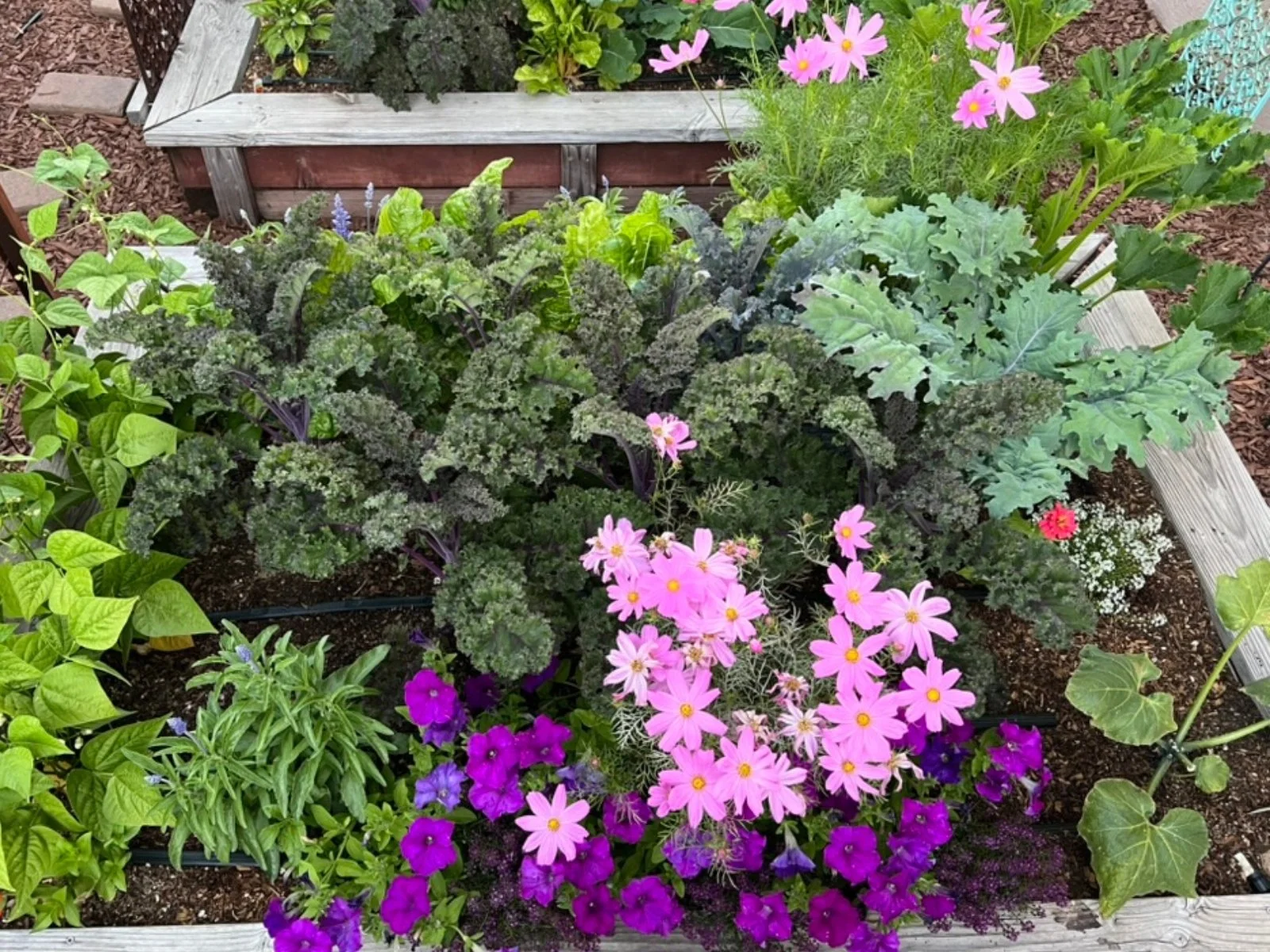
I spend a lot of time in my garden, and once I began learning about the microbiome, I couldn’t help but see the similarities.
Healthy soil is alive.
Underneath a thriving garden is an enormous community of microorganisms interacting with roots, breaking down organic matter, cycling nutrients, and helping create the conditions in which plants can flourish.
I don’t stand over my garden trying to micromanage every individual microorganism in the soil. I feed the soil. I add compost. I grow different plants. I protect it. I create the conditions that encourage life.
Our gut microbiome gives me a similar picture.
We can become so focused on finding the perfect probiotic or the one bacterial strain we’re supposedly missing that we overlook something much more fundamental:
Feed the ecosystem.
Give it a wide variety of fiber-rich plant foods. Give it the substrates those microbes were created to use. Create an environment where beneficial microbial communities can flourish.
That idea has made gut health feel much simpler to me.
I don’t have to control trillions of microbes.
I can simply learn how to nourish them.
What Does the Gut Microbiome Actually Do?
This tiny community is remarkably busy.
Researchers are still discovering everything the gut microbiome does, but we already know it participates in digestion and metabolism, helps defend against invading pathogens, interacts extensively with our immune system and produces compounds that communicate with our own cells.
It Helps Us Get More From Our Food
Some parts of plants—especially certain fibers and resistant starches—reach the large intestine without being fully digested by us.
That isn’t a failure of digestion.
It’s dinner for our microbes.
Gut bacteria possess enzymes that humans don’t, allowing them to break down some of these carbohydrates and transform them into other compounds.
Which brings us to one of my favorite parts of microbiome science.
Meet the Remarkable Compounds Your Microbes Make
When certain gut bacteria ferment fiber, they produce short-chain fatty acids, or SCFAs.
The three major ones are acetate, propionate and butyrate.
You don’t need to memorize those names. But butyrate is worth remembering because it provides an important source of energy for the cells lining the colon and is involved in maintaining the intestinal barrier and regulating immune and inflammatory activity.
Think about what is happening here for a moment.
You eat a fiber-rich plant.
Some of that fiber travels all the way to your colon.
Microbes eat it.
And in the process, they manufacture compounds that interact with your body.
I find that absolutely fascinating.
It means that some of the benefits of eating plants don’t come only from the nutrients contained within the plant itself. They also come from what our microbial partners do with those plants after we eat them.
Suddenly “eat more fiber” sounds a lot more interesting, doesn’t it?
Your Gut Microbiome and Your Immune System
The digestive tract is one of the body’s major meeting places between the outside world and the inside of us.
Food passes through. Microbes live there. Foreign organisms arrive there. And just one thin intestinal barrier separates much of that activity from the rest of the body.
So it makes sense that the gut and immune system are in constant conversation.
Gut microbes and the compounds they produce interact with immune cells and help influence immune development and regulation. A well-functioning intestinal barrier also helps determine what stays safely inside the gut and what crosses into circulation.
This is one reason researchers are so interested in connections between the microbiome, chronic inflammation, immune-related diseases and metabolic health.
It is also why I think gut health deserves far more attention than simply asking whether we have regular bowel movements.
The gut is interacting with the entire body.
Your Gut and Brain Are Talking to Each Other
Here’s another piece of microbiome science that still amazes me: your gut and brain are in constant two-way communication.
This network is known as the gut-brain axis.
Signals travel through neural pathways—including the vagus nerve—as well as through hormones, immune signals and microbial metabolites. The brain can influence what’s happening in the gut, and conditions in the gut can influence signals reaching the brain.
That doesn’t mean we can reduce depression, anxiety or other complex conditions to “bad gut bacteria.” Human health is far more complicated than that.
But the connection is real, and researchers are actively investigating how the microbiome may participate in mood, stress responses, cognition, and neurological health.I explore this fascinating gut-brain connection more deeply here.
Once you understand the gut-brain axis, the idea that digestion and emotional health exist in completely separate boxes becomes much harder to maintain.
Your Microbiome and Inflammation
Inflammation is another place where the gut connects to the larger health picture.
A healthy inflammatory response is essential—we need inflammation to fight infection and repair injuries. The problem is chronic, unresolved inflammation, which is associated with many modern diseases.
The gut microbiome can influence inflammatory signaling in several ways, including through its interaction with the intestinal barrier, immune system and microbial metabolites such as short-chain fatty acids.
This doesn’t mean there is one “anti-inflammatory bacterium” we simply need to add.
Again, think ecosystem.
The goal is to support an internal environment in which the gut barrier, immune system, microbial community and the rest of the body can work together as they were meant to.
What Feeds a Healthy Gut Microbiome?
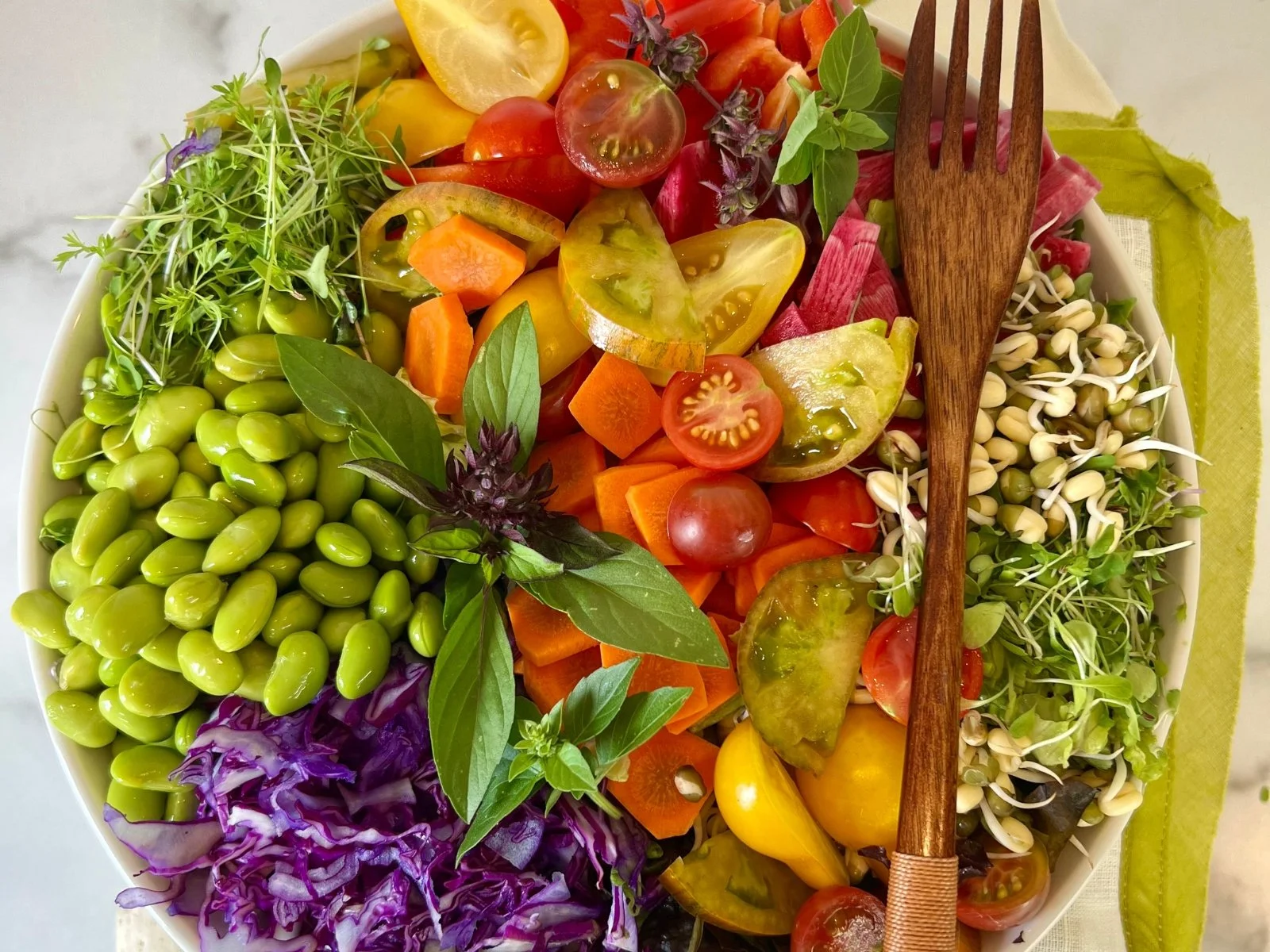
Here’s the wonderful part.
Some of the most powerful tools we have for supporting the microbiome are sitting in the produce aisle—or growing in the garden.
Gut microbes use many different carbohydrates and plant compounds, which is one reason I love emphasizing variety, not just fiber grams.
Think:
leafy greens
cruciferous vegetables
beans and lentils
whole grains
berries and other fruits
nuts and seeds
herbs and spices
resistant-starch-rich foods
colorful vegetables
Different plants contain different fibers, resistant starches and phytochemicals. And different microbes specialize in using different substrates.
Instead of searching for one “best food for gut health,” think diversity.
One of my favorite ways to make this practical is to see how many different plant foods I can enjoy during the week. I often aim for 30 different plants, not because 30 is a magic biological threshold, but because counting plants turns dietary fiberdiversity into something fun and surprisingly easy to achieve.
A spoonful of flax counts. So do herbs. Beans. Berries. Seeds. Greens. Spices.
The goal isn’t perfection.
It’s abundance.
Where Do Fermented Foods Fit In?
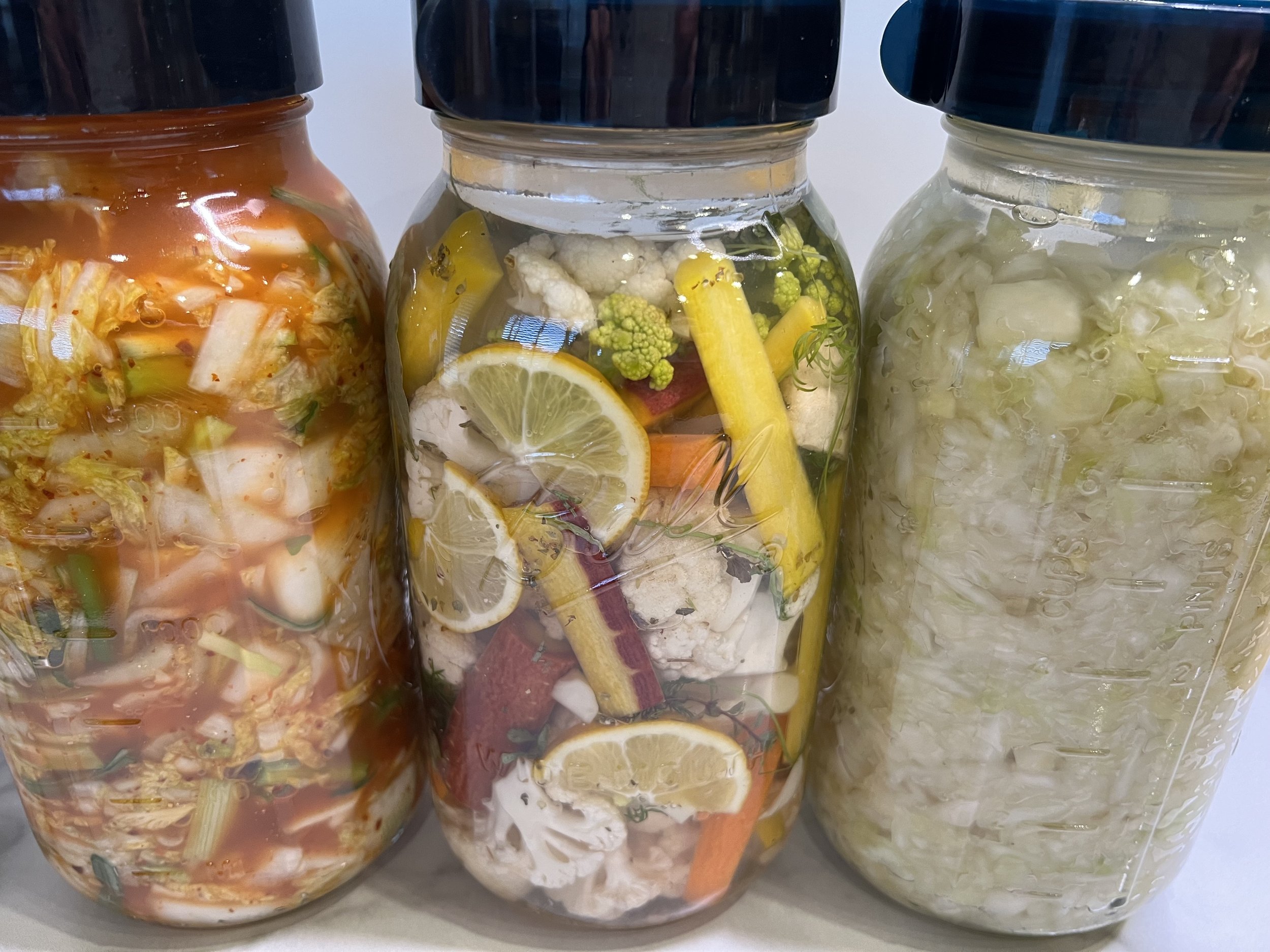
Fiber feeds the microbes already living in your gut. Fermented foods offer something a little different.
Foods such as sauerkraut, kimchi, natto, miso, and other traditionally fermented foods contain microbes and microbial products created during fermentation. Depending on the food and how it was processed, some contain live microorganisms when we eat them.
One fascinating human trial from Stanford compared diets high in fermented foods with diets high in fiber. Over the 10-week intervention, the fermented-food group experienced an increase in microbiome diversity along with decreases in several inflammatory proteins.
That’s an intriguing finding—not proof that fermented foods are a cure for inflammation, but one more reason these traditional foods deserve a place in the gut-health conversation.
And this is a subject I could happily talk about all day.
Fermentation is where food, microbes, and human health intersect in the most delicious way. If you’d like to dig deeper into what the research is showing, I explore the health benefits of fermented foods and the emerging science behind them in much more detail here.
What Can Disrupt the Gut Microbiome?

Our microbiomes are remarkably adaptable, but they’re also responsive to their environment.
Dietary patterns low in fiber and plant diversity can change the resources available to gut microbes. Stress, sleep, smoking, illness, environmental exposures and medications may also influence the microbial community.
And then there are antibiotics.
I am enormously grateful that antibiotics exist. They save lives, and there are times when they are absolutely the right treatment.
But antibiotics can also disturb the gut microbiome. The magnitude of that disruption and the way the microbiome recovers vary tremendously depending on the antibiotic, duration, individual and microbial community that existed beforehand.
So the answer isn’t to fear antibiotics.
It’s to use them appropriately—and recognize that supporting the gut before and after treatment is a reasonable part of caring for our overall health.
Can You Improve Your Gut Microbiome?
This is probably my favorite answer in this entire article:
Your microbiome is not fixed.
It responds to what you eat and how you live.
We don’t need to wait for a perfect supplement, expensive microbiome test or complicated gut-health protocol before doing something helpful.
Start with the fundamentals:
Eat more plants. Increase variety rather than relying on the same few fruits and vegetables every day.
Feed your microbes fiber. Beans, lentils, vegetables, fruit, whole grains, nuts and seeds provide an extraordinary variety of fermentable substrates.
Include resistant starch. Foods such as beans, lentils, and cooked-and-cooled potatoes and grains can provide resistant starch that reaches the colon and becomes microbial fuel.
Experiment with fermented foods. Start small if they’re new to you. If you’d like to make your own, my beginner’s guide to fermenting vegetables walks you through the process step by step.
Move your body. Physical activity is associated with differences in the gut microbiome and benefits health through many pathways beyond the gut.
Protect your sleep. Sleep and circadian rhythms interact with metabolism, immune function, and the microbiome.
Manage chronic stress. Remember the gut-brain axis works in both directions.
And perhaps most importantly:
Don’t turn gut health into another quest for perfection.
You Don’t Need a Perfect Microbiome
Gut health has become trendy, and whenever something becomes trendy, we’re eventually sold the idea that we need to optimize it.
The perfect probiotic.
The perfect gut test.
The perfect morning routine.
The perfect list of foods.
But microbiome science isn’t telling us there is one perfect microbial community we’re all supposed to achieve.
Quite the opposite.
Human microbiomes are extraordinarily individual and dynamic.
That should be freeing.
Instead of asking:
“Do I have the perfect microbiome?”
I think a much better question is:
“Am I creating an environment that supports a healthy, resilient ecosystem?”
That’s a question we can actually do something about.
And most of the answers are wonderfully ordinary.
Eat plants.
Eat variety.
Move.
Sleep.
Spend time outside.
Manage stress.
Use medications wisely.
Enjoy fermented foods if they work for you.
Then let your body—and your microbes—do some of the work.
Your Tiny Garden Within
Hidden inside each of us is an entire living world.
Trillions of tiny organisms are interacting every moment of every day—breaking down compounds in our food, producing metabolites, communicating with our immune system and participating in a relationship with us that science is only beginning to fully understand.
The more I’ve learned about the microbiome, the more it has filled me with wonder.
I see the same principle when I walk through my garden. Life flourishes when we create the conditions that support it. I don’t command my garden to grow. I nourish the soil, provide water and sunlight, plant abundantly—and then stand back amazed at what happens.
Perhaps caring for our bodies isn’t so different.
We don’t need to micromanage every organism inside us. We can simply begin providing more of what a thriving ecosystem needs.
So the next time you eat a colorful salad, spoon lentils into a bowl, blend greens into a smoothie, sprinkle flax over breakfast or add a forkful of sauerkraut to your plate, remember:
You’re not only feeding yourself.
You’re feeding an entire ecosystem that has been quietly working alongside you all along.
And that is pretty extraordinary.
Frequently Asked Questions About the Gut Microbiome
What is the gut microbiome in simple terms?
The gut microbiome is the ecosystem of microorganisms—primarily bacteria, along with viruses, fungi and others—that live in your digestive tract. These organisms and the compounds they produce interact with digestion, metabolism, the intestinal barrier, immune function and other systems throughout the body.
Why is the gut microbiome important?
Gut microbes help break down components of food that we can’t completely digest ourselves, produce useful metabolites such as short-chain fatty acids, interact with the immune system, help resist invading pathogens and participate in communication between the gut and other organs.
What foods are best for the gut microbiome?
Rather than searching for one perfect gut food, focus on variety. Vegetables, fruits, legumes, whole grains, nuts, seeds, herbs and spices provide different fibers and plant compounds that support different microbial functions.
How can I improve my gut microbiome naturally?
A diverse, fiber-rich diet is a wonderful starting point. Regular physical activity, adequate sleep, stress management, and appropriately used medications also matter. Fermented foods may provide additional benefits for some people.
Are fermented foods good for gut health?
They can be. Fermented foods contain microorganisms and microbial products produced during fermentation, although not every fermented food contains live microbes by the time it is eaten. Human research suggests fermented-food-rich diets can influence microbiome diversity and immune markers.
How quickly can the gut microbiome change?
The microbiome can respond surprisingly quickly to changes in diet, medications and environment, although how long those changes persist varies. Long-term habits are more meaningful than trying to “hack” the microbiome for a few days.
Do probiotics improve the gut microbiome?
It depends. “Probiotic” describes specific live microorganisms that have demonstrated a health benefit when given in adequate amounts, and effects can be strain- and condition-specific. A probiotic supplement isn’t automatically necessary for a healthy gut, and more strains or a higher bacterial count doesn’t necessarily mean a better product.
Do antibiotics permanently damage the gut microbiome?
Antibiotics can substantially alter the microbiome, but recovery varies widely among individuals and antibiotics. Some microbial communities may recover relatively quickly while other changes can persist. Antibiotics remain essential, sometimes life-saving medicines, so the goal is appropriate use rather than fear.
What is dysbiosis?
Dysbiosis is a broad term used to describe an altered microbial community associated with disrupted function or disease. There isn’t one universally accepted microbial pattern that defines dysbiosis in every person, which is one reason consumer microbiome tests should be interpreted cautiously.
Is there such a thing as a perfect gut microbiome?
No single microbial composition has been established as the perfect microbiome for everyone. Healthy people can have very different microbial communities. Diversity, resilience and microbial function are generally more useful concepts than trying to achieve one ideal list of bacterial species.