The Health Benefits of Fermented Foods: What Science Is beginning to Discover

Walk through almost any grocery store today, and you'll notice fermented foods everywhere. Kimchi, sauerkraut, kombucha, kefir, probiotic drinks, and refrigerated pickles now occupy shelves that many of us barely noticed just a few years ago. Health podcasts discuss them regularly. Scientists continue to publish new research on the gut microbiome. Even people who have never considered making their own fermented vegetables have probably wondered whether all the excitement is justified.
Are fermented foods really as beneficial as everyone says they are?
It's a wonderful question, and one that deserves more than a simple yes or no.
Like many areas of nutrition, the truth is both fascinating and nuanced. Fermented foods are not miracle foods, nor are they a passing fad. They are traditional foods that people around the world have enjoyed for thousands of years, and modern science is now beginning to understand some of the remarkable ways they may support our health.
If you're curious about whether fermented foods deserve a place on your plate, let's explore what researchers have discovered, what they're still learning, and why I keep several jars of homemade fermented vegetables in my own refrigerator.
What Are Fermented Foods?

Fermentation is one of the oldest methods of preserving food. Long before refrigeration existed, people discovered that vegetables mixed with salt and allowed to ferment naturally could remain fresh and delicious for weeks or even months.
During fermentation, naturally occurring bacteria consume some of the natural sugars in the vegetables and produce lactic acid. This process creates an acidic environment that helps preserve the food while also giving fermented vegetables their familiar tangy flavor.
Fermentation doesn’t replace the nutritional value of the vegetables-it builds upon it. They're still rich in fiber, vitamins, minerals, antioxidants, and countless beneficial plant compounds. Fermentation simply adds another fascinating layer by changing the food in ways scientists are still working to understand.
If you've ever wanted to try making your own fermented vegetables, I walk you through the entire process in my Beginner's Guide to Fermenting Vegetables at Home, where I share my favorite recipes and simple techniques for getting started.
Why Are Fermented Foods Suddenly Everywhere?
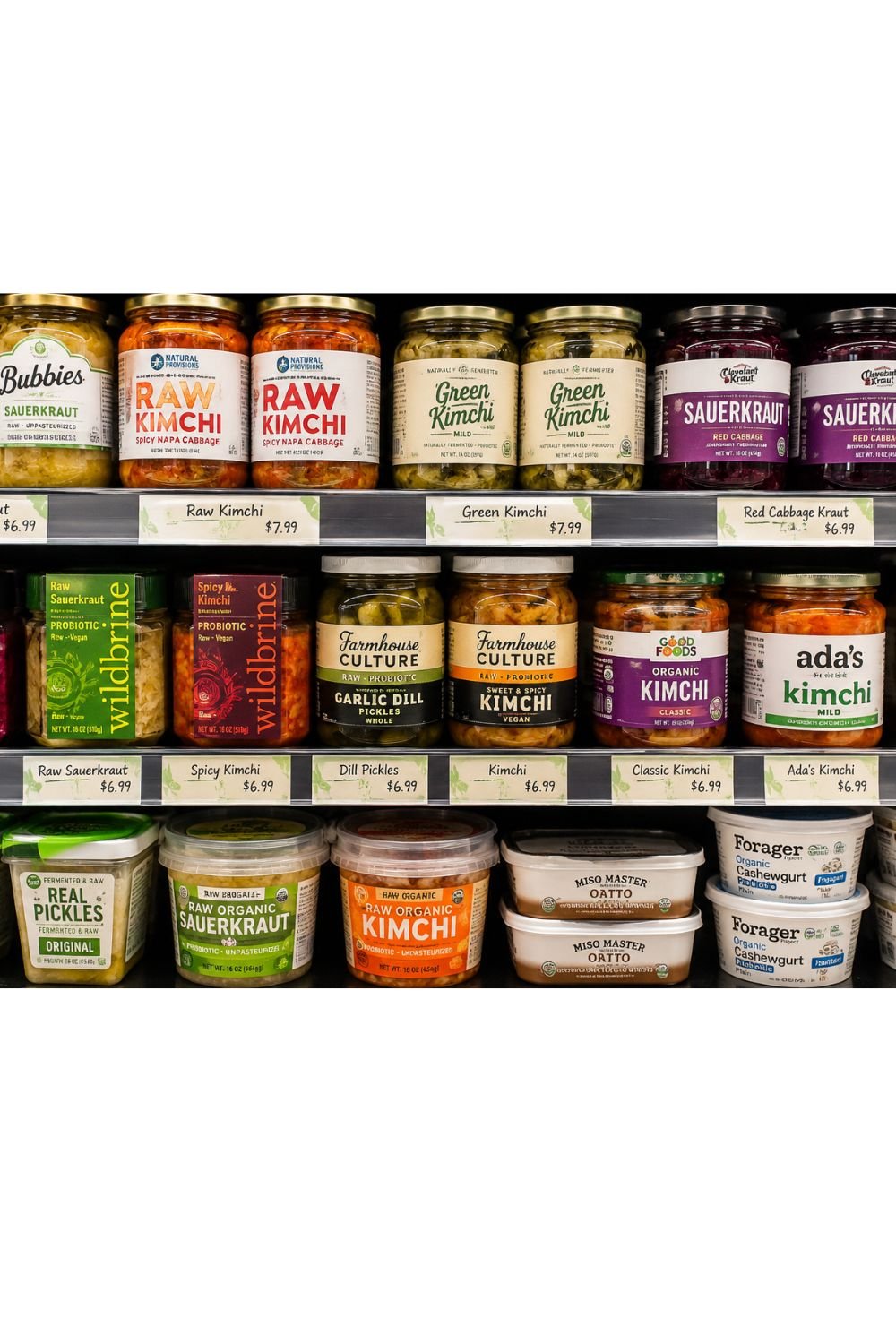
For centuries, people fermented foods because it was practical. It preserved harvests, reduced food waste, and created delicious flavors that became part of cultural traditions around the world.
Today, interest has exploded for a different reason.
Scientists have come to appreciate that our digestive tract is home to trillions of microorganisms collectively known as the gut microbiome. These bacteria, fungi, and other microbes are now recognized as playing important roles in digestion, immune function, metabolism, and even communication with the brain.
As our understanding of the microbiome has grown, researchers naturally began asking an important question:
Could the foods we eat influence this remarkable ecosystem?
Fermented foods quickly became one area of great interest.
Researchers aren't studying them because they're trendy. They're studying them because these traditional foods may interact with the gut microbiome in ways we are only beginning to understand.
That makes fermented foods one of the most exciting areas of nutrition research today.
What Happens During Fermentation?
One of the things I find so fascinating about fermentation is that it doesn't simply preserve food—it transforms it.
As beneficial bacteria grow, they produce lactic acid and a variety of other compounds that contribute to the flavor, texture, and characteristics of fermented foods. Researchers have also found that fermentation can increase the availability of certain nutrients and create new bioactive compounds that weren't present in the fresh vegetables alone.
At the same time, the vegetables retain something just as important: their fiber.
That detail often gets overlooked.
Unlike many probiotic supplements, fermented vegetables still provide the fiber that helps nourish the beneficial bacteria already living in your gut. Rather than viewing fermented foods and fiber as separate strategies, I think of them as partners that work beautifully together.
It's one of the many reasons whole fermented vegetables fit so naturally into a diet centered around minimally processed plant foods.
What Does the Research Actually Say?
One of the things I appreciate most about nutrition science is that it constantly challenges us to remain curious.
Rather than asking us to believe bold claims, good research invites us to ask better questions.
When it comes to fermented foods, the research is still developing, but several findings have generated genuine excitement among scientists.
In the sections that follow, we'll look at where the evidence is strongest, where researchers remain cautious, and why fermented foods continue to attract so much scientific interest.
Gut Microbiome Diversity: Why Scientists Are So Excited
If you've read many of my articles, you know I spend a lot of time talking about the gut microbiome. That's because the more researchers learn about this remarkable community of microorganisms, the more they realize how closely it is connected to our overall health.
A healthy microbiome isn't simply about having a large number of bacteria. It's about having a diverse community of different species that work together much like a healthy ecosystem.
Think about a thriving forest. It doesn't consist of only one kind of tree. Instead, hundreds of different plants, fungi, insects, birds, and animals all contribute to a stable, resilient environment. If one species struggles, others help maintain balance.
Our gut appears to work in much the same way.
The greater the diversity of beneficial microbes living in our digestive tract, the more resilient that ecosystem tends to be. Researchers have associated greater microbial diversity with better overall health and resilience, while reduced diversity has been linked with a variety of chronic conditions. Although scientists are still unraveling exactly why this happens, increasing microbial diversity has become one of the major goals of microbiome research.
One of the most exciting studies in recent years came from researchers at Stanford University.
Participants were divided into two groups. One group increased their fiber intake, while the other intentionally increased their intake of fermented foods such as yogurt, kefir, kimchi, sauerkraut, and fermented vegetables.
The results surprised many researchers.
Those eating more fermented foods experienced a significant increase in gut microbiome diversity over the course of the study. Even more intriguing, several markers of inflammation decreased at the same time.
The study was relatively small, and no single study ever proves anything on its own. But it offered something scientists had been hoping to see: evidence that regularly eating fermented foods may positively influence the microbial community living inside us.
It's an exciting area of research, and one we'll undoubtedly continue learning more about in the years ahead.
Fermented Foods and Digestion
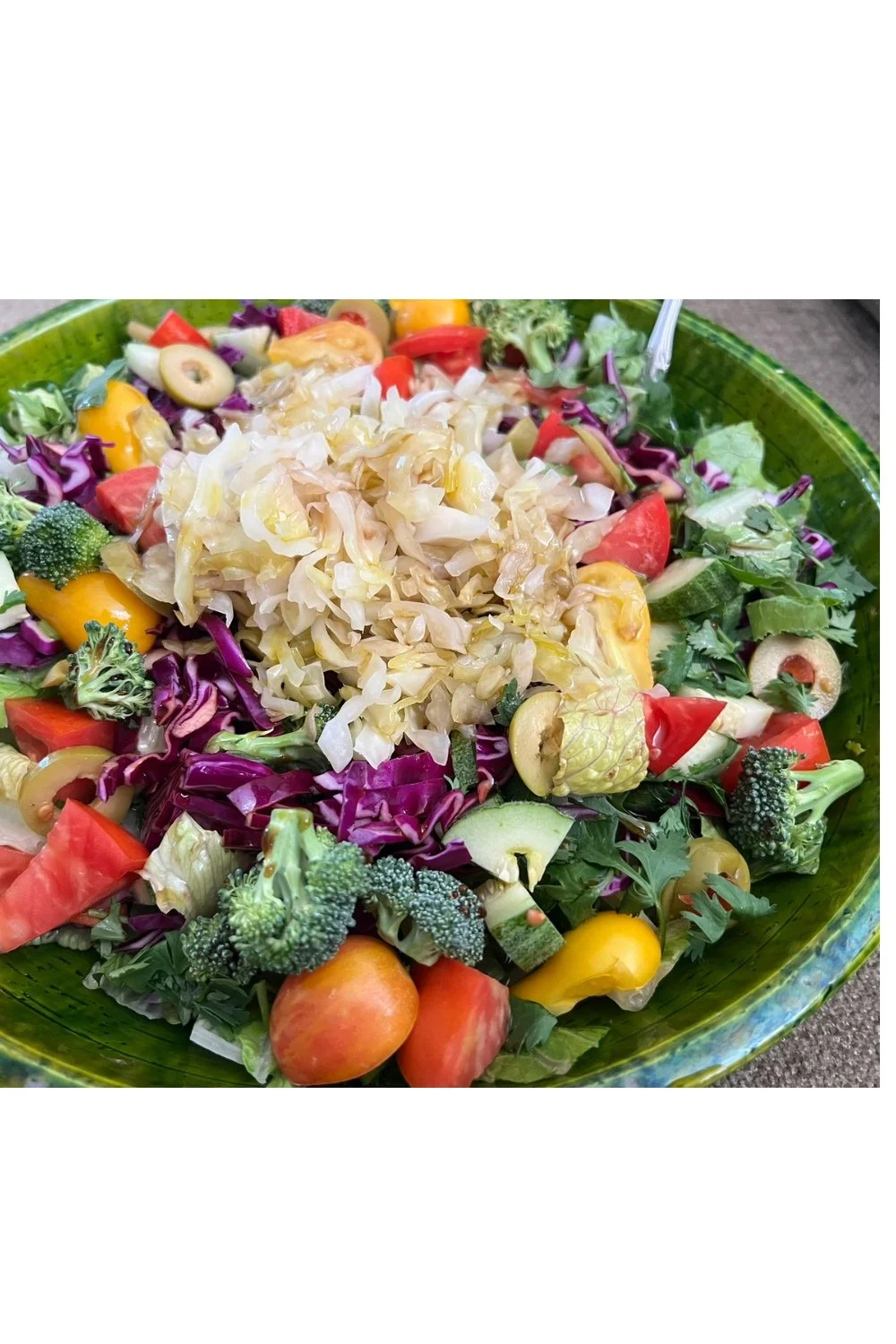
One of my favorite ways to add sauerkraut to my day is to put it on top of my salad.
When most people think about fermented foods, digestion is usually the first benefit that comes to mind.
While researchers are still studying exactly how fermented foods work inside the body, several factors likely contribute to their digestive benefits.
First, the fermentation process itself partially breaks down certain compounds within the food. That doesn't mean fermented vegetables lose their fiber or nutritional value. Instead, fermentation changes the food in ways that may make it easier for some people to digest.
Second, fermented foods contain beneficial bacteria and the compounds those bacteria produce during fermentation. These compounds continue interacting with the environment inside the digestive tract as they move through it.
And finally, fermented vegetables still contain everything that made the original vegetables healthy in the first place. You're not choosing between vegetables and fermented vegetables. You're simply enjoying vegetables that have undergone an ancient preservation process while still providing fiber, vitamins, minerals, antioxidants, and thousands of other beneficial plant compounds.
For many people, adding a few forkfuls of fermented vegetables alongside a meal is a simple way to increase both variety and flavor while supporting an already healthy dietary pattern.
I experienced this firsthand when my husband and I increased the amount of cruciferous vegetables, leafy greens, and flax we were eating. We had already been on a plant-based diet for years, but with that increase in fiber, we both started noticing much more bloating.
I began adding fermented foods to our meals two, sometimes three, times a day—often just a forkful at a time. Within only a few days, we both noticed a significant difference in how bloated we felt. Of course, our experience doesn’t prove that fermented foods will have the same effect for everyone, but it made me appreciate just how powerful these traditional foods can be as part of an already fiber-rich diet.
The Connection Between Fermented Foods and Inflammation
Inflammation has become one of the most talked-about topics in health, and for good reason.
Acute inflammation is a normal and essential part of healing. If you scrape your knee or catch a virus, inflammation helps your immune system respond appropriately.
The problem isn't inflammation itself.
The concern is chronic, low-grade inflammation that quietly persists over months or years. Researchers believe this type of ongoing inflammation may contribute to many chronic diseases, including heart disease, type 2 diabetes, certain autoimmune conditions, and cognitive decline.
This is one reason the Stanford fermented food study generated so much interest.
Not only did participants experience increased microbial diversity, but researchers also observed reductions in several inflammatory markers circulating in the bloodstream. While we still don't know all the mechanisms involved, these findings suggest that fermented foods may influence the immune system in ways that extend well beyond digestion.
It's an exciting discovery—but it's also important to keep it in perspective.
No single food eliminates chronic inflammation.
Inflammation is influenced by our overall dietary pattern, physical activity, sleep, stress, body weight, smoking, alcohol use, and many other lifestyle factors.
Fermented foods appear to be one helpful piece of that much larger picture.
If you’re curious about that bigger picture, I take a much deeper dive into chronic inflammation-and practical ways to reduce it naturally-in my article, What Is Inflammation? (And How to Calm It Naturally).
Your Immune System Begins in the Gut
You've probably heard that about 70% of the immune system is located in the gut.
While that statement is a simplification, it reflects something scientists have known for years: a tremendous amount of communication takes place between our immune system and the microorganisms living inside our digestive tract.
Every day, your immune system faces an extraordinary challenge.
It must recognize genuine threats while peacefully coexisting with trillions of microbes, the foods you eat, and your own body's tissues. Maintaining that balance requires constant communication, and much of that conversation happens within the intestines.
Researchers are now discovering that the gut microbiome helps educate and regulate many aspects of immune function. Rather than acting independently, our immune system and our gut microbes appear to work together in remarkably complex ways.
This is one reason nutrition scientists are so interested in dietary patterns that support a healthy microbiome.
Again, fermented foods are unlikely to be the entire answer.
But they may be one valuable part of creating an environment where both the microbiome and the immune system can function as they were designed to.
The Gut-Brain Connection

A healthy gut starts with what we consistently put on our plates.
One of the most fascinating discoveries in recent years is that the gut and the brain are in constant communication.
Researchers often refer to this as the gut-brain axis—a two-way communication network linking the digestive tract, nervous system, immune system, and even many of the hormones that influence how we think and feel.
It may sound surprising at first, but it makes perfect sense.
Your brain needs a constant supply of nutrients. Your immune system helps regulate inflammation throughout the body. Your gut microbes produce compounds that travel through the bloodstream, communicate with nerve cells, and even help influence the production of certain neurotransmitters.
When one part of the system changes, other parts often respond.
Scientists are actively exploring how the gut microbiome may influence mood, stress resilience, memory, and cognitive health. This area of research is still in its early stages, and there is much we don't yet understand. At the same time, the growing body of evidence is exciting enough that researchers around the world continue investing enormous effort into understanding these connections.
That doesn't mean fermented foods treat anxiety or depression.
It does mean they're one of many dietary factors scientists are studying as they learn more about the remarkable relationship between the gut and the brain.
If you're interested in how gut health may influence anxiety, depression, and overall mental well-being, you might enjoy my article, Why Are Mental Health Struggles Increasing? What Your Gut May Have to Do With It.
Fermented Foods and Metabolic Health
Another area receiving increasing attention is metabolic health.
Researchers are investigating how the gut microbiome may influence blood sugar regulation, insulin sensitivity, appetite, cholesterol metabolism, and even body weight.
Again, it's important not to oversimplify.
No one food determines metabolic health.
But we now know the gut microbiome participates in many of the chemical conversations taking place throughout the body. As scientists learn more about these interactions, they're beginning to understand that the foods supporting a healthy microbiome may also influence many other systems.
Fermented foods are becoming part of that conversation.
Although more long-term research is needed, early findings suggest that regularly including fermented foods in an overall healthy dietary pattern may improve metabolic health for some individuals.
The key phrase is within an overall healthy dietary pattern.
No single food creates health on its own-it’s the foods you eat most consistently that shape your long-term health. If you’re wondering what that looks like in everyday life, my article Start Here: Simple First Steps to a Healthier, More Energized Life walks through the foundational habits I recommend first.
What Fermented Foods Don't Do
Whenever a food becomes popular, it's tempting to expect too much from it.
I've seen fermented foods promoted as though they're capable of fixing nearly every health problem imaginable. I don't believe the science supports that.
Fermented foods are wonderfully nutritious, but they aren't miracle foods. They don't erase years of eating an unhealthy diet.
They don't replace fruits, vegetables, beans, whole grains, nuts, or seeds.
They don't compensate for inadequate sleep, chronic stress, physical inactivity, or smoking.
And they certainly don't make the rest of our dietary choices unimportant.
One of the things I appreciate most about nutrition research is that it continually reminds us to look at the whole picture.
People who enjoy fermented foods regularly often have other healthy habits as well. They may cook more meals at home, eat more vegetables, consume more fiber, and generally follow healthier dietary patterns.
All of those choices matter. For me, fermented foods aren't the foundation of health.
They're one beautiful piece of a much larger foundation built on whole plant foods, regular movement, restorative sleep, meaningful relationships, time spent with God, and caring for the incredible body we've been given.
That's one of the reasons I enjoy them so much. They complement an already healthy lifestyle rather than trying to replace it.
Why Fiber Is Still the Real Star of the Show
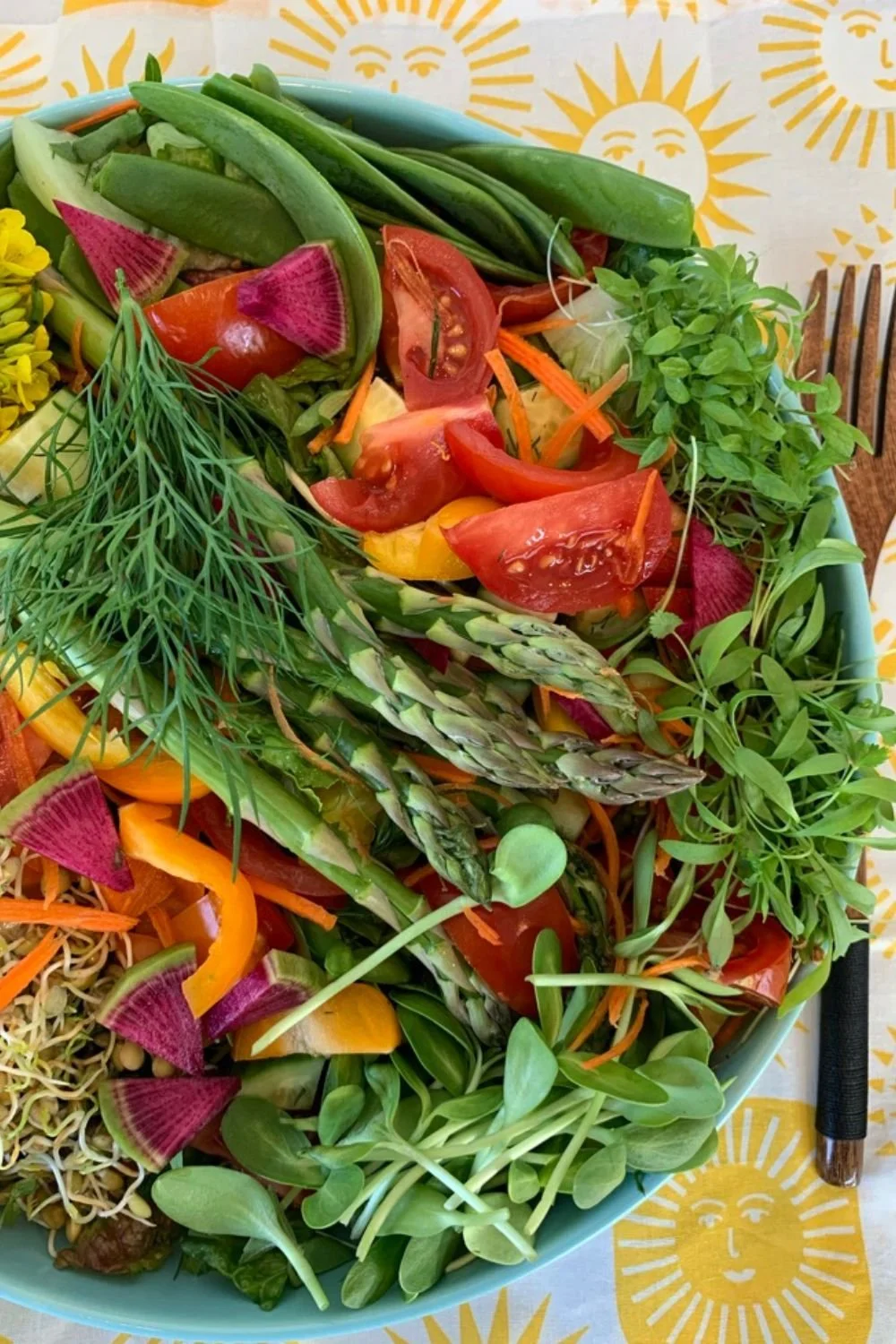
The Diversity of plants on your plate may be just as important as the amount you eat.
If there is one point I hope every reader takes away from this article, it's this:
Fermented foods are wonderful, but they work best alongside a diet rich in fiber.
This is something I think deserves much more attention.
When people hear the word "probiotics," they often picture adding beneficial bacteria to their digestive tract. While that's certainly part of the story, it's only one part.
The microbes already living inside your gut also need to eat. Their favorite foods aren't protein shakes or processed snack foods.
They thrive on fiber.
Not just one type of fiber, but the incredible variety found in vegetables, fruits, legumes, whole grains, nuts, seeds, herbs, spices, and resistant starch.
As these beneficial microbes ferment fiber inside the colon, they produce compounds called short-chain fatty acids, including butyrate, acetate, and propionate. These remarkable molecules help nourish the cells lining the colon, support the intestinal barrier, participate in immune regulation, and influence many other processes scientists are still uncovering.
In other words, the vegetables themselves remain incredibly important.
When you eat fermented cabbage, you're not only introducing the products of fermentation—you are also feeding your existing microbiome with the fiber naturally found in the cabbage.
That's one reason I rarely think about fermented foods separately from the rest of a healthy diet.
To me, they belong on the same plate as colorful salads, beans, whole grains, fruit, and all the other fiber-rich foods that nourish the microbiome day after day.
Fermented foods and fiber aren't competing strategies. They're teammates.
If you're wondering what eating this way actually looks like, my Beginner’s Guide to a Plant-Based Diet walks through the foundational foods and simple habits that nourish both your body and your microbiome.
And when they're enjoyed together, they beautifully illustrate something I've come to appreciate over many years of studying nutrition:
The healthiest dietary patterns almost never rely on one "superfood."
Instead, they bring together hundreds of simple, whole foods that work together in ways we're still discovering.
Which Fermented Foods Are Best?

One of the questions I'm asked most often is, "What's the healthiest fermented food?"
The answer may surprise you.
Rather than looking for one perfect fermented food, I think it's more helpful to think in terms of variety.
Different fermented foods contain different microorganisms, flavors, textures, and nutrients. Just as eating a variety of colorful fruits and vegetables provides a wider range of beneficial plant compounds, enjoying a variety of fermented foods may expose your microbiome to a broader range of beneficial microbes and fermentation products.
Some wonderful options include:
Homemade fermented vegetables such as sauerkraut, fermented carrots, cauliflower, green beans, and Brussels sprouts
New to fermenting? Check out my Beginner’s Guide to Fermenting Vegetables at Home for step-by-step instructions and several of my favorite recipes.
Kimchi (Looking for a simple recipe? Try my Delicious and Easy Raw Vegan Kimchi.)
Miso
Tempeh
Natto (Curious about the sticky Japanese superfood? Learn about its unique nutrition and how to make it in my Natto Benefits guide.)
Plain yogurt or kefir for those who include dairy in their diet
Personally, I love homemade fermented vegetables because they're inexpensive, easy to make, endlessly customizable, and packed with fiber. I almost always have at least a few jars waiting in my refrigerator.
How Much Should You Eat?
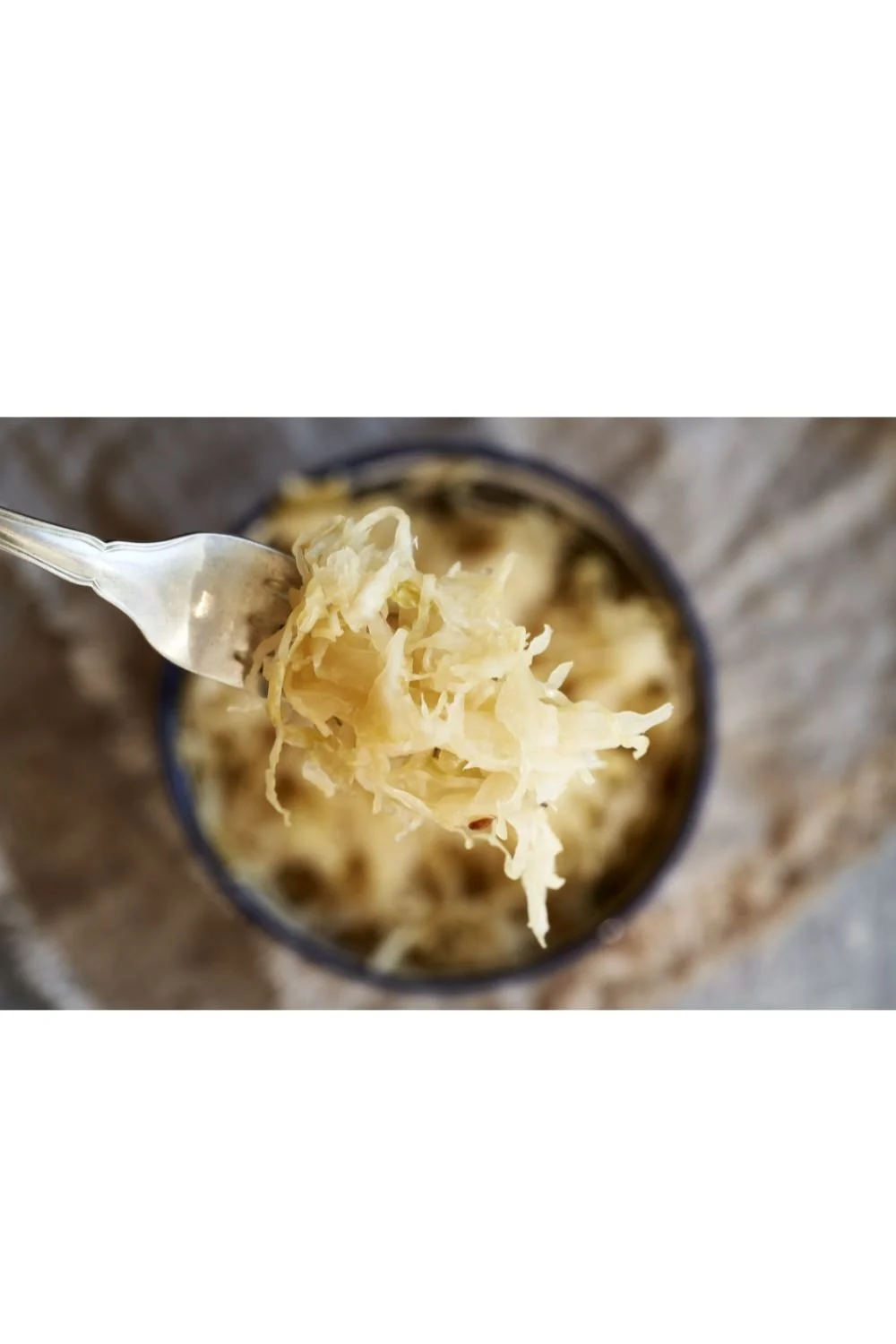
Fortunately, you don't need large amounts.
In fact, if you're new to fermented foods, it's often best to begin with just a tablespoon or two each day and gradually increase as your digestive system adjusts.
Many people find that a few forkfuls alongside lunch or dinner is plenty.
That's exactly how I enjoy them.
I often add fermented vegetables to salads, grain bowls, wraps, or simply eat a small serving alongside whatever meal we're having. They add wonderful flavor, a satisfying crunch, and an easy way to include another serving of vegetables in the day.
More isn't always better.
The goal isn't to eat an entire jar of sauerkraut in one sitting.
The goal is simply to make fermented foods a consistent, enjoyable part of an already healthy way of eating.
Should Everyone Eat Fermented Foods?
For most healthy people, fermented foods can be a wonderful addition to the diet.
However, there are situations where it's wise to introduce them more cautiously.
Some individuals with histamine intolerance may notice symptoms when eating fermented foods because many fermented foods naturally contain histamine. Others with certain digestive conditions may find it helpful to start with very small portions while allowing their digestive system time to adjust.
If you have significant digestive symptoms or a medical condition that requires dietary restrictions, it's always a good idea to discuss dietary changes with your healthcare provider.
Listen to your body, start slowly, and allow time for your digestive system to adapt.
What We Know...and What We're Still Learning
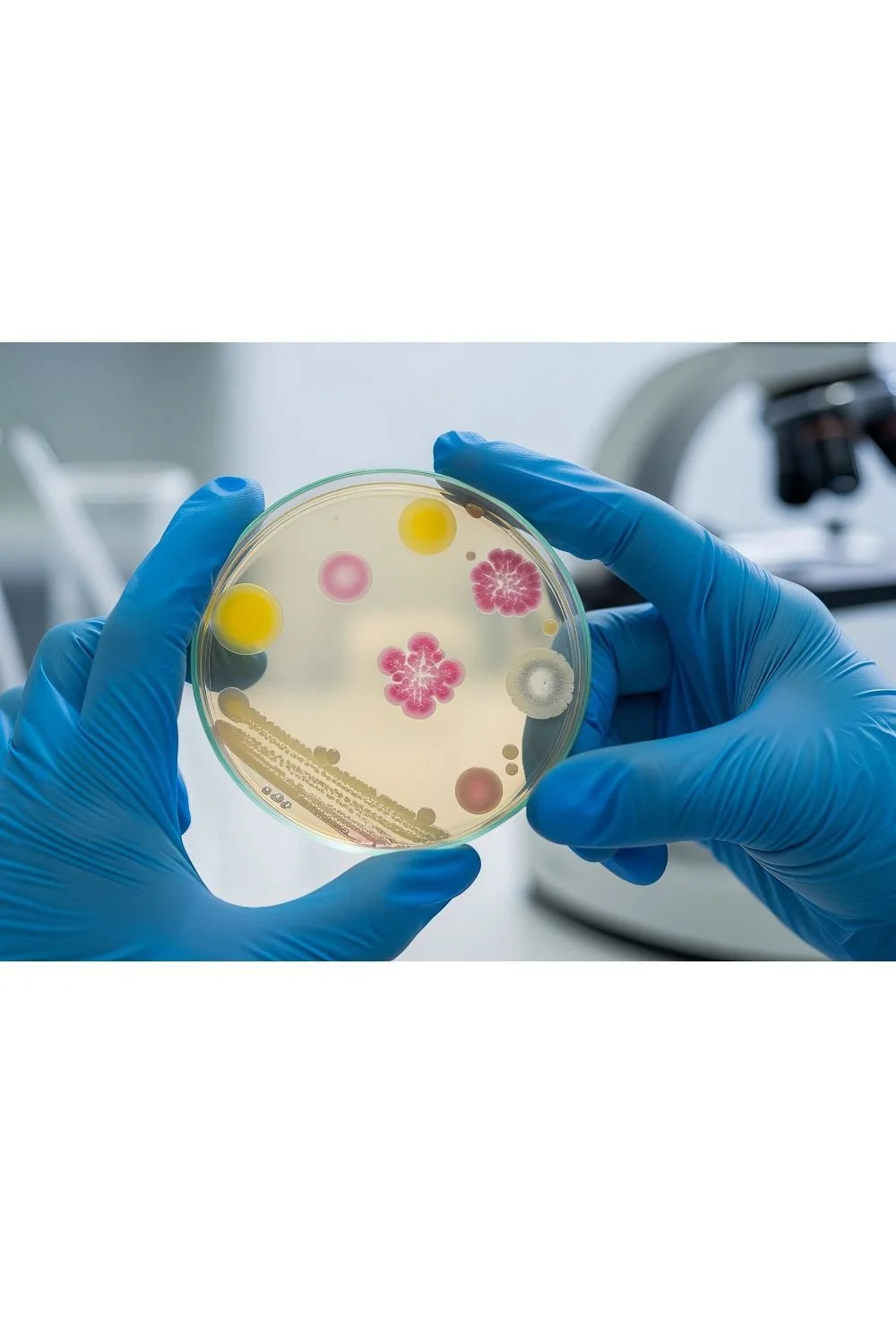
Scientists continue to uncover fascinating connections between our gut microbiome and overall health.
One of the things I love most about nutrition science is that it keeps us humble.
The more researchers discover, the more they realize there is still so much to learn.
When it comes to fermented foods, there are several things we know with reasonable confidence.
We know fermentation has safely preserved food for thousands of years.
We know fermented foods contain beneficial microorganisms and unique compounds produced during fermentation.
We know diets rich in fermented foods have been associated with positive changes in the gut microbiome.
We know several studies—including the exciting Stanford trial—suggest fermented foods may increase microbiome diversity and reduce certain markers of inflammation.
But there are also questions scientists are still trying to answer.
Which specific bacteria provide the greatest benefit?
Do all fermented foods have the same effects?
How long do those microbes remain in the digestive tract?
Why do some people respond more dramatically than others?
How do fermented foods interact with a high-fiber diet over many years?
Those questions are still being explored, and personally, I find that exciting.
Science isn't finished writing this story.
My Personal Perspective
After spending more than twenty years studying nutrition, I don't believe good health comes from finding one magical food.
I've never seen convincing evidence that a single food can undo years of unhealthy habits.
Health is built day by day, meal by meal, and choice by choice.
That's why I don't think about fermented foods in isolation.
I think about them alongside colorful salads, beans, berries, leafy greens, whole grains, herbs, spices, seeds, regular walks, strength training, restorative sleep, laughter around the dinner table, meaningful relationships, and taking time each day to slow down and spend time with God.
Fermented vegetables fit beautifully into that picture.
They’re colorful, satisfying, economical to make at home, and a delicious reminder that some of the healthiest foods are also some of the simplest.
They help reduce food waste.
They're fun to make.
And they're one more way to enjoy the incredible variety of whole plant foods that nourish both our bodies and the trillions of microorganisms living within us.
Will they transform your health overnight?
Probably not.
But could they become one small habit that contributes to better health over months and years?
I believe they can.
Final Thoughts
One of the things I appreciate most about fermented foods is that they remind me that something doesn't have to be new to be valuable.
People have been fermenting vegetables for thousands of years without understanding the gut microbiome, bacterial diversity, or short-chain fatty acids. They simply knew these foods tasted wonderful, preserved the harvest, and deserved a place on the table.
Today, modern science is helping us understand why those traditions may have endured for so long.
The more researchers study the microbiome, the more they uncover the remarkable ways our bodies interact with the foods we eat every day. Fermented foods are proving to be one fascinating piece of that story.
And if one small jar of fermented vegetables encourages you to eat one more serving of colorful plants each day, I’d call that a wonderful place to begin.
Frequently Asked Questions About Fermented Foods
Are fermented foods actually good for you?
For most people, yes. Fermented foods provide the nutrients naturally found in vegetables along with beneficial compounds produced during fermentation. Research suggests they may support gut microbiome diversity, digestion, immune function, and overall health when enjoyed as part of a balanced, fiber-rich diet.
Which fermented foods are healthiest?
There isn't one "best" fermented food. Variety is likely more important than choosing a single food. Homemade fermented vegetables, kimchi, sauerkraut, miso, tempeh, natto, and plain yogurt or kefir (for those who consume dairy) can all be excellent choices.
Can I eat fermented foods every day?
Absolutely. Many people enjoy a small serving every day. A few tablespoons alongside a meal is often enough to add flavor and variety without overdoing it. If you're new to fermented foods, start with a small amount and gradually increase as your digestive system adjusts.
Are fermented foods the same as probiotics?
Not exactly.
Fermented foods often contain live microorganisms, but they also provide fiber, vitamins, minerals, and beneficial compounds created during fermentation. Unlike many probiotic supplements, whole fermented vegetables nourish your body with all the goodness of the original vegetables as well.
What's the difference between fermented and pickled vegetables?
Traditional fermented vegetables are preserved naturally using salt and beneficial bacteria that produce lactic acid.
Most quick pickles are preserved with vinegar instead. While they're still delicious, they don't go through the same fermentation process and generally don't contain the live cultures found in naturally fermented vegetables.
Do fermented foods improve the gut microbiome?
Research suggests they may.
One of the most exciting studies to date found that regularly eating fermented foods increased gut microbiome diversity while also reducing several markers of inflammation. Scientists are continuing to study exactly how fermented foods interact with the trillions of microorganisms living in our digestive tract.
Do I still need to eat fiber if I eat fermented foods?
Yes—and this may be one of the most important takeaways from this article.
Fermented foods and fiber work beautifully together. Fermented foods introduce beneficial microbes and fermentation products, while fiber feeds the beneficial bacteria already living in your gut. Rather than choosing one or the other, aim to enjoy both regularly.
Can everyone eat fermented foods?
Most healthy people can enjoy fermented foods without any problems. However, individuals with histamine intolerance or certain digestive conditions may need to introduce them more gradually or speak with their healthcare provider before making significant dietary changes.
Are homemade fermented vegetables safe?
Yes, when prepared properly.
Using clean equipment, the correct amount of salt, and keeping the vegetables submerged beneath the brine creates an environment where beneficial bacteria thrive while harmful bacteria are inhibited.
What is the best fermented food for beginners?
I usually recommend starting with sauerkraut, fermented carrots, cauliflower, cucumbers, or green beans. They're simple to prepare, have a mild flavor, and are a wonderful introduction to homemade fermentation.
Are fermented foods a miracle food?
No.
And I think that's one of the reasons I appreciate them so much.
Fermented foods are one beautiful part of an overall healthy lifestyle. They work best alongside a diet rich in colorful vegetables, fruits, beans, whole grains, nuts, and seeds, combined with regular movement, restorative sleep, healthy relationships, and a heart of gratitude. They aren't meant to replace those habits—they simply complement them.
Fermented foods are simply one more way we can nourish the incredible ecosystem within us—one colorful, delicious forkful at a time.
Here’s to feeding that ecosystem well and enjoying the process along the way.