Why Are Mental Health Struggles Increasing? What Your Gut May Have to Do With It

The journey to better mental and physical health may begin in the gut-and sometimes it starts with something as simple as a handful of greens.
Anxiety, depression, brain fog, burnout, and emotional overwhelm seem to be everywhere.
Nearly every family has been touched by mental health struggles in some way. I know mine has.
Over the years, I've watched people I love battle depression, anxiety, and severe mental illness. Those experiences led me to ask questions I couldn't ignore. Could what we eat influence how we feel? Could the health of our gut affect the health of our brain? And if so, what does that mean for the growing mental health crisis we see around us today? I would have loved to have this information years ago, I truly believe it would have drastically changed the lives of people close to me.
Now that I know this information, my goal is to share it with as many people as possible.
“For God has not given us a spirit of fear, but of power and of love and of a sound mind.” 2 Timothy 1:7
The more I've learned about the microbiome, inflammation, nutrition, and the incredible connection between the gut and brain, the more convinced I've become that our bodies are far more interconnected than we once believed.
Food is not the entire answer. Mental health challenges are complex and can involve genetics, trauma, relationships, environment, and countless other factors. But what has been discovered about the connection between the gut and the brain is truly life-changing.
Why Are Mental Health Struggles Increasing?

While there is no single explanation, I often wonder if we are living farther and farther away from the conditions humans were designed to thrive in.
Think about how dramatically life has changed.
Many people spend most of their day indoors. We move less than previous generations, sleep less, experience more chronic stress, stare at screens for hours each day, and consume unprecedented amounts of ultra-processed foods. We are more disconnected from nature, less connected to our food, and often surrounded by convenience foods that bear little resemblance to what our grandparents ate.
At the same time, rates of anxiety and depression continue to climb.
Is that simply a coincidence?
Perhaps not.
The more researchers learn about the gut-brain axis, the microbiome, and inflammation, the more they are discovering that the health of our bodies and the health of our minds may be deeply connected.
The Gut and Brain Are Constantly Communicating
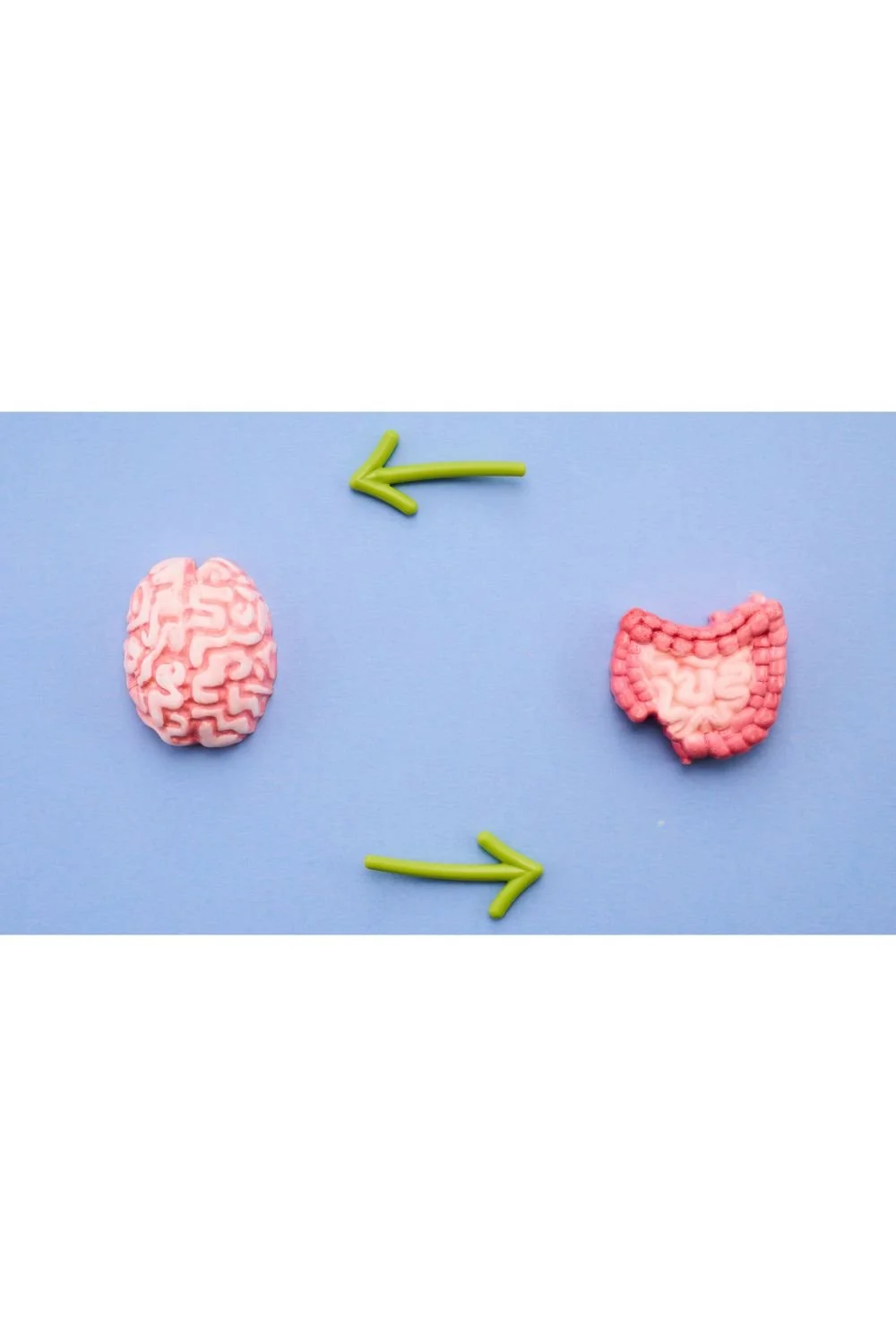
Scientists call this relationship the gut-brain axis.
For decades, scientists believed the brain was the unquestioned control center of the body, sending instructions while the rest of the body simply followed orders. Today we know differently. Far from being separate systems, the gut and brain communicate continuously through nerves, hormones, immune signals, and the vagus nerve. Messages travel in both directions all day long.
Have you ever lost your appetite during a stressful season? Felt butterflies before a presentation? Experienced digestive upset during a difficult life event?
You've already experienced the gut-brain connection firsthand.
But the relationship goes even deeper.
Inside your digestive tract live trillions of microorganisms collectively known as the microbiome. These microbes help regulate digestion, immunity, inflammation, and even the production of compounds that influence mood and brain function. It has been said that 90% of serotonin isn’t made by us; it is made by our gut bacteria! I find that incredible.
In many ways, your gut is constantly sending information to your brain.
The Missing Piece: Leaky Gut and Inflammation
One of the most fascinating discoveries in recent years involves the integrity of the intestinal lining.
The digestive tract is designed to function as a carefully regulated barrier. Tiny structures called tight junctions act like security gates, allowing nutrients into the bloodstream while keeping unwanted substances where they belong.
When this barrier becomes compromised, intestinal permeability increases—a condition commonly known as leaky gut.
A leaky gut doesn't just affect digestion.
When the intestinal barrier is weakened, the immune system can become activated, triggering inflammation throughout the body. Because the immune system and the brain are closely connected, inflammation may influence how we think, feel, and function.
The gut talks to the immune system.
The immune system talks to the brain.
The brain talks back to the gut.
Everything is connected.
What Damages the Gut Barrier?

In addition to ultra-processed foods, overuse of antibiotics, stress, lack of sleep, and lack of movement can also contribute.
Many of the hallmarks of modern life can negatively affect the microbiome and the intestinal lining.
Potential contributors include:
• Ultra-processed foods
• Excess sugar
• Chronic stress
• Sleep deprivation
• Repeated antibiotic use
• Alcohol
• Lack of movement
• Low fiber intake
• Limited exposure to nature and environmental microbes
None of these factors act alone. They work together, slowly influencing the ecosystem within us.
When beneficial microbes decline and inflammation rises, the effects can ripple throughout the entire body—including the brain.
Antibiotics: A Double-Edged Sword

Few medical discoveries have saved more lives than antibiotics. They have transformed modern medicine and remain essential for treating serious bacterial infections. Yet antibiotics are not without consequences.
Unlike targeted treatments, antibiotics often eliminate beneficial bacteria along with harmful ones. Research has shown that even a single course can significantly alter the composition of the gut microbiome, sometimes for months. Repeated courses throughout a lifetime may contribute to reduced microbial diversity, a hallmark of many chronic health conditions.
In addition to prescription use, low levels of antibiotics are commonly used in conventional animal agriculture, creating another source of exposure for many people.
This doesn't mean antibiotics should be feared or avoided when truly needed. It simply means they should be used wisely and followed by intentional efforts to rebuild and nourish the microbiome through a diet rich in fiber, plant foods, and fermented foods.
The Good News: The Gut Can Heal
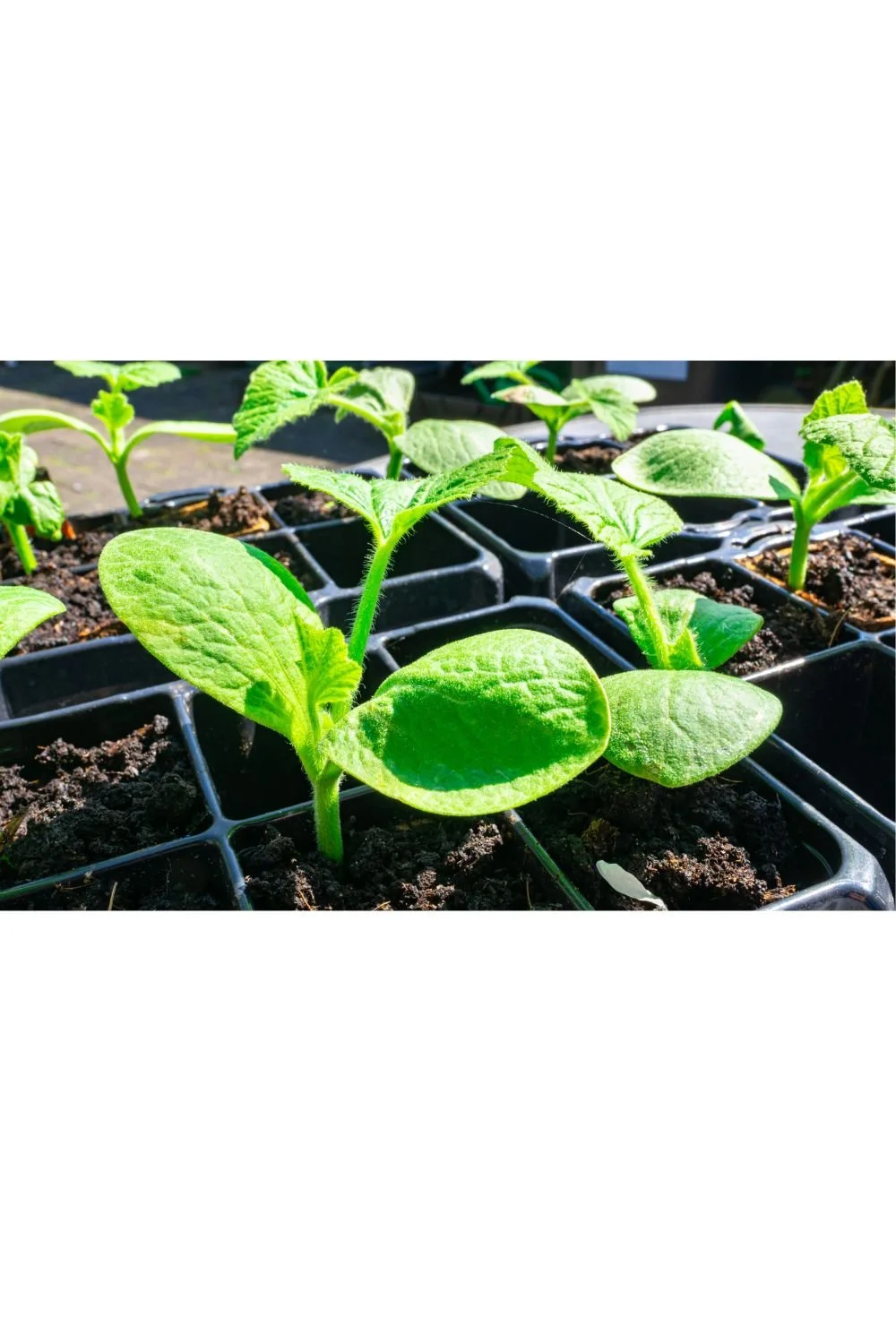
Healing doesn’t happen overnight, but the body is constantly working to repair itself when we provide the right conditions.
If all of this sounds discouraging, take heart. One of the most exciting discoveries in microbiome research is how quickly positive changes can begin.
Unlike our genetics, which remain largely fixed, the microbiome is remarkably adaptable. Researchers have observed measurable shifts in gut bacteria within just a few days of dietary changes, and some microbial populations appear to begin responding within hours of a meal. Think about that for a moment. Every time we sit down to eat, we are sending information to the trillions of organisms living inside us.
Our bodies are not static. The lining of the digestive tract is constantly renewing itself, and beneficial bacteria respond to the environment we create. While healing doesn't happen overnight, the body has an incredible capacity to repair and rebalance when given the right conditions.
This is what gives me so much hope.
We may not be able to control every aspect of our health, but we are not powerless. Every serving of greens, every bowl of beans, every fermented vegetable, every walk outside, every night of restorative sleep, and every effort to reduce stress is a signal that supports health rather than disease.
Rather than focusing on what has gone wrong, I believe our energy is better spent creating the conditions that allow the body to do what it was designed to do: heal, adapt, and thrive.
Why Fiber May Be One of the Most Important Nutrients for Mental Health
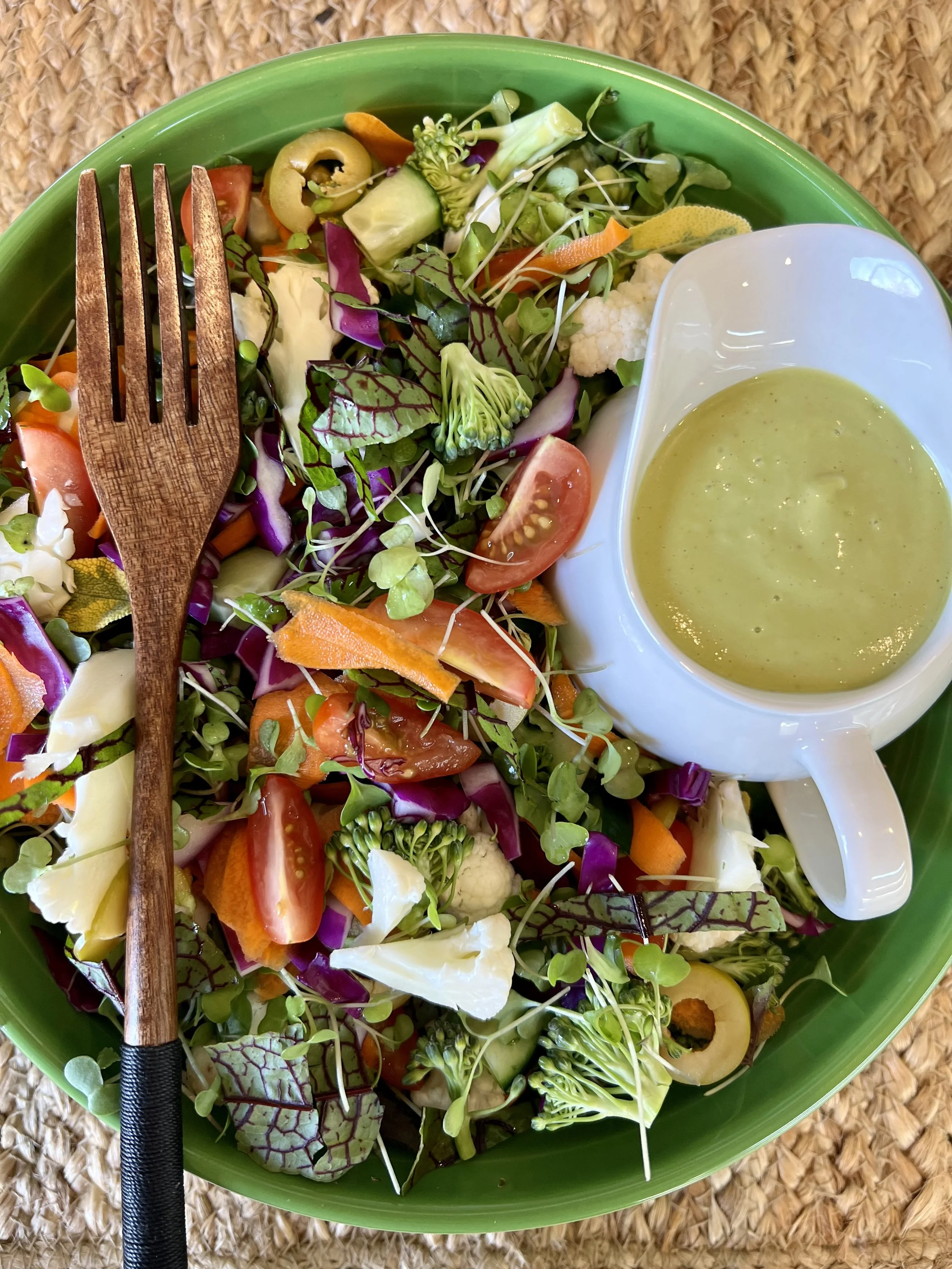
Fiber-rich foods nourish beneficial gut bacteria, helping them produce compounds that support both gut health and brain health.
When people think about gut health, probiotics usually get all the attention. Yet one of the most powerful tools for supporting a healthy microbiome may be something much simpler: fiber.
Fiber is the primary food source for many of our beneficial gut bacteria. When these microbes ferment fiber, they produce compounds called short-chain fatty acids, including butyrate. These compounds help nourish the gut lining, support immune function, reduce inflammation, and strengthen the intestinal barrier.
In many ways, fiber acts like fertilizer for your internal garden.
Some of the best sources include beans, lentils, chickpeas, leafy greens, onions, garlic, leeks, asparagus, cabbage, berries, and flaxseed. Every time we eat these foods, we are feeding the beneficial organisms that help support both our gut and our brain.
Don't Forget Fermented Foods
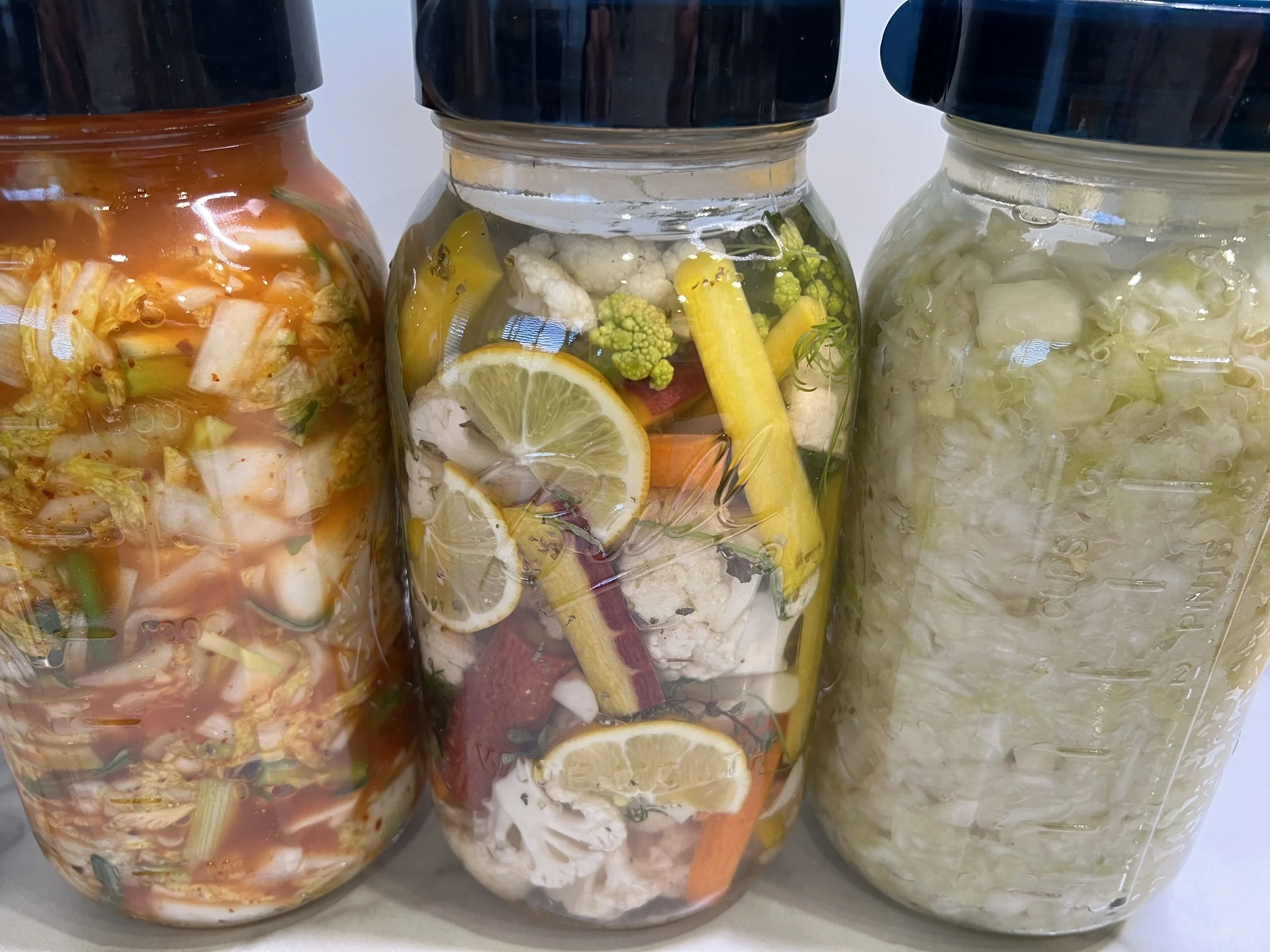
Homemade ferments from my kitchen: vegan kimchi, mixed fermented veggies, and traditional sauerkraut. Fermented foods are one of my favorite ways to support a healthy and diverse microbiome.
One of the most fascinating discoveries in recent microbiome research came from a Stanford study led by researchers Justin and Erica Sonnenburg. Participants were assigned to either a high-fiber diet or a diet rich in fermented foods.
The researchers expected the high-fiber group to experience the greatest improvements in microbiome health. Instead, the fermented food group showed something remarkable: increased microbial diversity along with significant reductions in several inflammatory markers.
This finding is exciting because microbial diversity is one of the hallmarks of a healthy microbiome. The more diverse our internal ecosystem, the more resilient it tends to be.
Some excellent options include sauerkraut, kimchi, natto, miso, tempeh, fermented vegetables, and water kefir. If you are new to fermentation, I have step-by-step guides for making your own vegan kimchi and natto at home.
I don't believe it's a matter of choosing fiber or fermented foods. If fiber is fertilizer for your gut garden, fermented foods are new seeds being added to the soil. The healthiest microbiomes benefit from both.
Nature: The Missing Health Tool

You can often find me in my happy place, my garden. It’s even happier when tomato season is in full swing! As it turns out, time in nature may nourish our microbiome as much as it nourishes our spirit.
This may be one of the most overlooked pieces of the entire conversation.
The same habits that support mental health often support gut health as well.
Spending time outdoors has been associated with lower stress levels, improved mood, better sleep, healthier nervous system function, and greater overall well-being. Nature encourages movement, sunlight exposure, and a temporary break from the constant stimulation of modern life.
As someone who spends countless hours in the garden, I often wonder if part of the reason gardening feels so therapeutic is because it nourishes us on multiple levels at once. We are moving our bodies, reducing stress, connecting with living things, and spending time in an environment rich with microbial diversity.
For most of human history, people lived in close contact with soil, plants, animals, and the natural world. Today many of us spend the majority of our lives indoors.
Perhaps part of the healing we are searching for is simply reconnecting with the environment we were designed to live in.
Practical Ways to Support Your Gut-Brain Connection
You don't need a perfect diet or a complete lifestyle overhaul to begin supporting your gut.
Start with simple steps:
• Eat more whole plant foods.
• Include beans or lentils regularly.
• Eat a wide variety of fruits and vegetables.
• Add fermented foods to your routine.
• Prioritize sleep.
• Move your body daily.
• Spend time outdoors.
• Reduce ultra-processed foods.
• Make stress management a daily practice.
Small changes practiced consistently can have a powerful impact over time.
A Message of Hope
The microbiome is not fixed.
Every day, we have opportunities to support the incredible ecosystem God created within us.
Food alone may not solve every mental health challenge. But neither should we underestimate the power of nourishing the body, supporting the gut, reducing inflammation, prioritizing sleep, moving regularly, and reconnecting with the natural world.
The more I learn about the human body, the more amazed I am by its capacity to adapt and heal.
Perhaps the most hopeful discovery of all is this:
Change can begin with the very next meal.
FAQ SECTION
Can poor gut health affect your mood?
Research suggests that the gut and brain communicate through the gut-brain axis. Changes in the microbiome, inflammation, and gut health may influence mood and mental well-being.
What is the gut-brain axis?
The gut-brain axis is the communication network connecting the digestive system and the brain through nerves, hormones, immune signals, and the microbiome.
Can leaky gut affect mental health?
Researchers are investigating how intestinal permeability, inflammation, and microbiome imbalances may influence brain health and mood.
What foods support gut health?
Fiber-rich whole plant foods such as beans, lentils, vegetables, fruits, nuts, seeds, and fermented foods help support a healthy microbiome.
How quickly can the microbiome change?
Research suggests measurable changes can occur within days of dietary changes, with some microbial responses occurring within hours of eating. These can be changes for good or bad. What we choose to consume matters more than we ever thought possible.
Your Gut Is Not Your Destiny
If there is one thing I hope you take away from this article, it's that your body is not working against you.
The gut microbiome is constantly changing. With every meal, every walk outdoors, every serving of fiber-rich plants, and every healthy habit, you are sending signals to the trillions of microbes that call your body home.
Scientists are only beginning to understand how deeply the gut influences the brain, but one thing is already clear: what we eat, how we live, and the environment we create inside our bodies matter.
The most exciting part? Change can begin surprisingly quickly.
You don't have to be perfect. You don't have to overhaul your entire life overnight. Small, consistent choices can help create a healthier gut, a healthier brain, and a healthier future.
Start with one meal. One walk. One serving of greens. One bite of sauerkraut.
Your microbes will repay you abundantly!
You might also enjoy: