Is Soy Safe? What the Research Says About Breast Cancer, Menopause, and Hormone Health
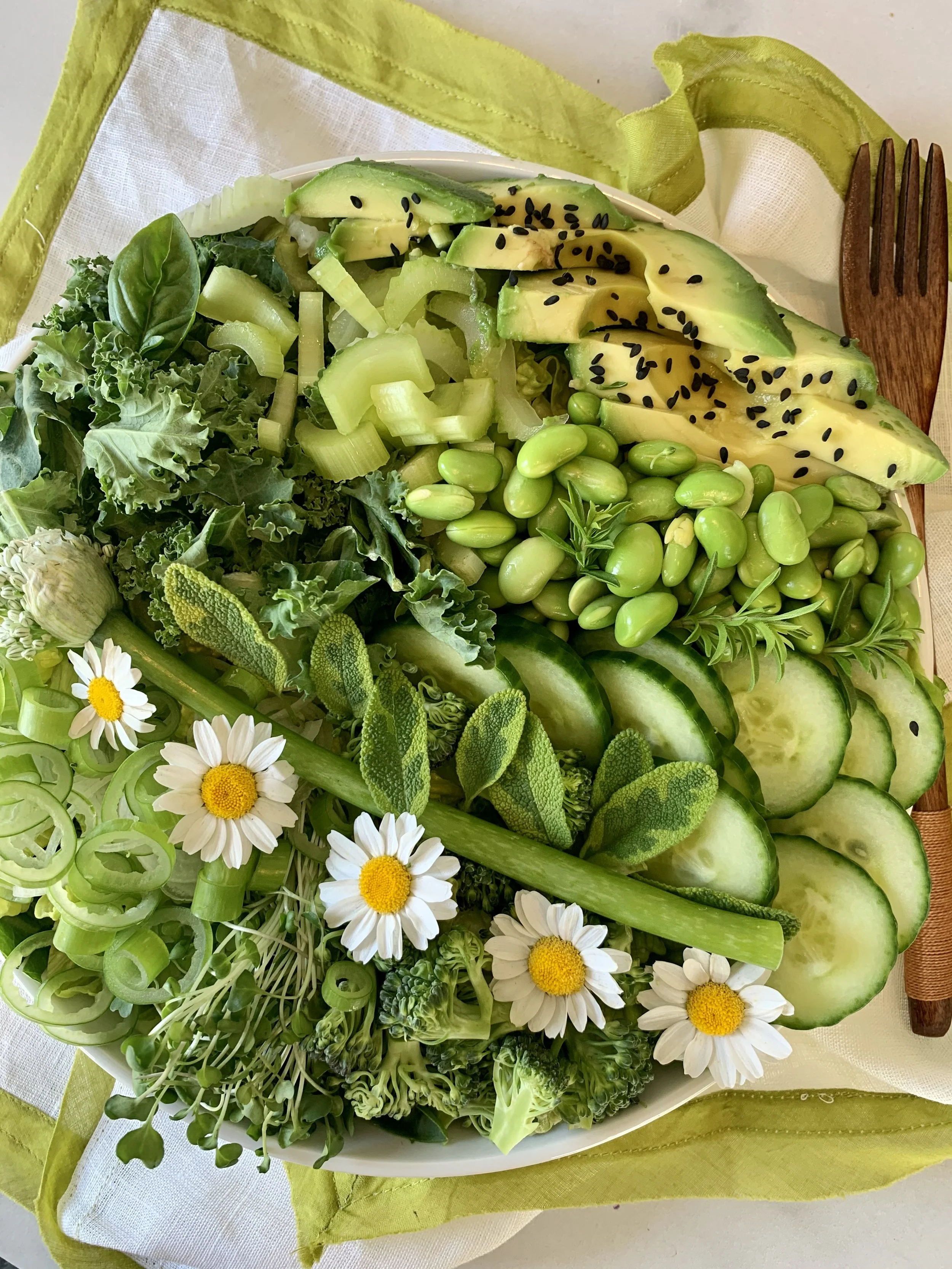
Edamame is a nourishing part of this lovely lunch. I have to admit the chartreuse green color is one of my favorites!
For years, women were told to fear soy. But what if one of the most misunderstood foods on the planet is actually one of the most protective?
If you've spent any time in the health world, you've probably heard the warnings.
"Soy causes breast cancer."
"Soy isn't safe for women with hormone-sensitive cancers."
"Soy raises estrogen levels."
And if you've spent any time online, you've probably heard the jokes about men growing "man boobs" from eating tofu.
Yet when researchers have actually studied soy consumption in humans, the results tell a very different story.
The truth is that soy has become one of the most extensively researched foods in nutrition science, and the evidence continues to point in the same direction.
Traditional soy foods appear to be safe, protective, and supportive of long-term health.
Let's take a closer look.
What the Research Shows About Soy and Breast Cancer
One of the most influential studies examining soy consumption and breast cancer followed more than 5,000 women diagnosed with breast cancer.
Researchers tracked their diets and followed them for years, what they discovered was remarkable.
Women who consumed the most soy experienced significantly lower rates of breast cancer recurrence and lower rates of death compared to women who consumed the least.
Not higher.
Lower.
The findings were so compelling that researchers continued exploring the relationship between soy and breast cancer in additional populations.
Over the years, numerous studies involving thousands of women have produced similar findings.
Current research suggests traditional soy foods are safe for breast cancer survivors. Some studies have even associated soy consumption with a lower risk of recurrence and improved survival, although more research is needed.
It’s worth making an important distinction here: most of this research involves soy foods, such as tofu, edamame, tempeh, and soy milk—not high-dose, concentrated isoflavone supplements. Whole soy foods and isolated supplements aren’t necessarily interchangeable, so when I talk about the potential benefits of soy in this article, I’m talking primarily about traditional soy foods.

Behind every study are real women seeking answers, hope, and a healthier future.
Understanding Phytoestrogens
One reason soy has been so misunderstood is because it contains compounds called phytoestrogens.
The word itself can sound alarming.
After all, if estrogen can play a role in certain cancers, wouldn't plant estrogens be a problem?
Not exactly.
Phytoestrogens are not human estrogen.
They are naturally occurring plant compounds found in foods such as soybeans, flaxseeds, lentils, and chickpeas.
While they can interact with estrogen receptors, they behave very differently from the estrogen produced by our bodies.
In fact, many researchers believe these compounds may help support healthy hormone balance rather than disrupt it.
This distinction is important because much of the fear surrounding soy stems from the assumption that phytoestrogens and human estrogen are the same thing.
They aren't.
And understanding that difference changes the entire conversation.
One way to think about phytoestrogens is to imagine estrogen receptors as parking spaces. Human estrogen is like a large SUV designed specifically for those spaces. Soy phytoestrogens are more like compact cars. They can park in some of the same spaces, but they don't activate the receptor nearly as strongly.
In some situations, this means phytoestrogens may actually prevent stronger estrogens from binding to the receptor. Rather than increasing estrogen activity, they can help moderate it.
This is one reason soy behaves very differently from the estrogen produced by our bodies and why researchers continue to investigate its potential protective effects.
Why Many Asian Women Have Been Eating Soy for Generations
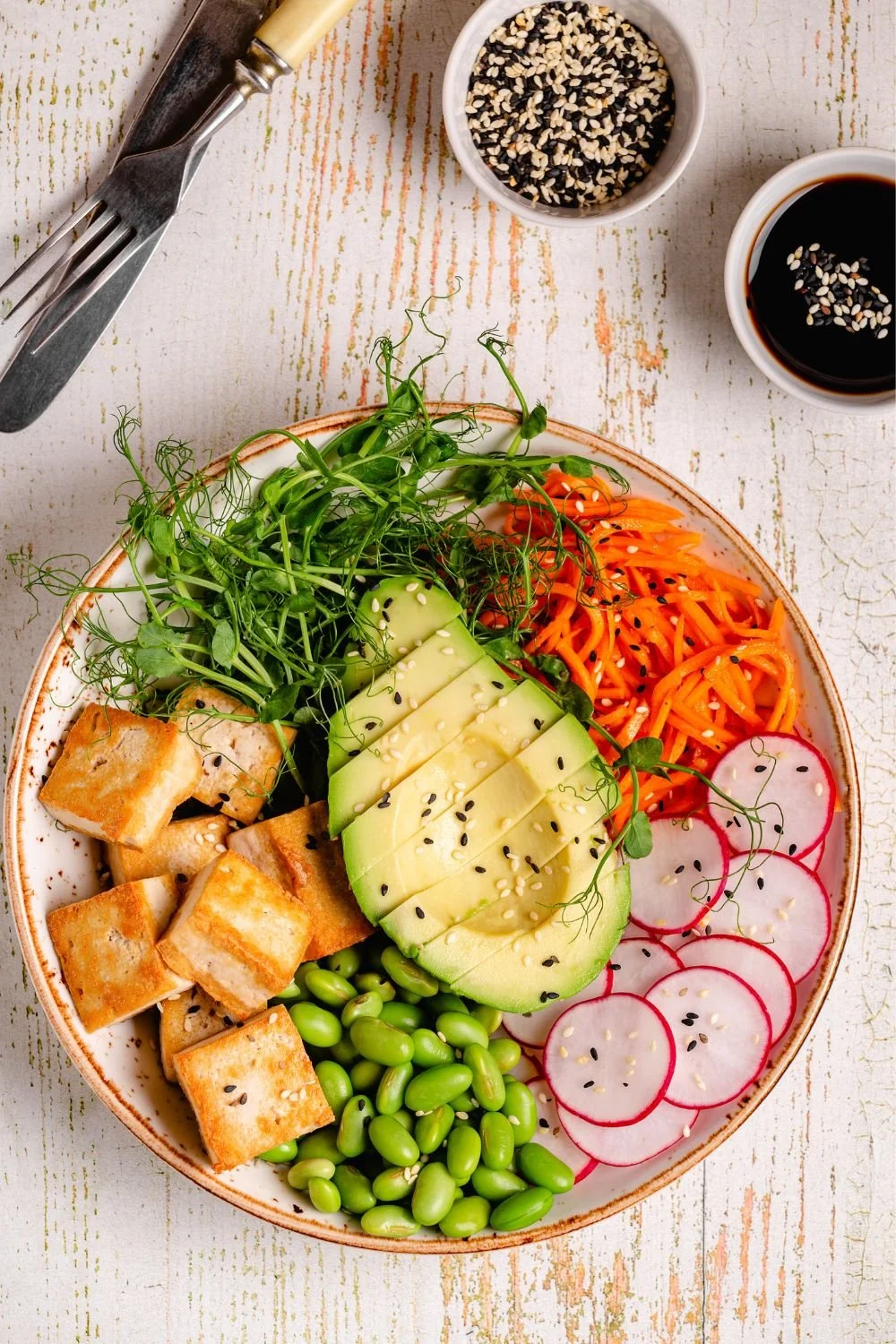
Traditional soy foods like tofu and edamame are simple, versatile, and backed by decades of research supporting their role in a healthy diet.
One of the most fascinating observations in nutrition research is that women in many Asian countries have traditionally consumed soy foods throughout their lives.
Foods such as tofu, tempeh, miso, edamame, and natto have been dietary staples for generations.
Researchers have long observed that these populations tend to report fewer menopausal symptoms than women consuming typical Western diets.
While no single food explains these differences, soy's naturally occurring isoflavones may be one contributing factor.
What's especially interesting is that many of these women weren't taking soy supplements.
They were simply eating traditional foods as part of an overall healthy dietary pattern.
There's a lesson in that.
Sometimes the most powerful health foods aren't exotic superfoods or expensive supplements.
Sometimes they're simple foods that have quietly nourished healthy populations for centuries.
Soy and Menopause
As I've moved through perimenopause, I've experienced very few symptoms and no hot flashes.
Do I believe soy deserves all the credit? No, health is much more nuanced than that.
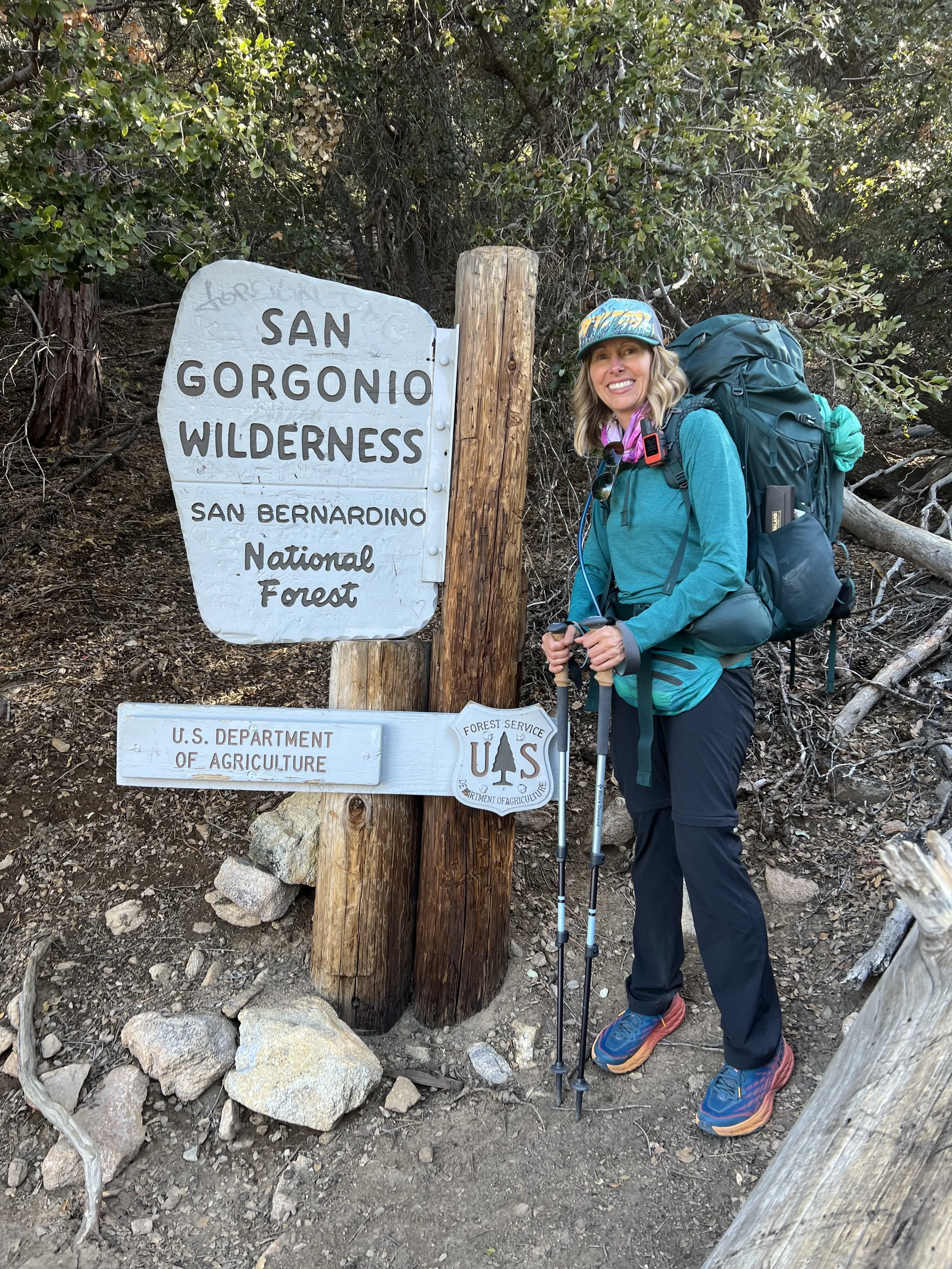
Fun fact: There was dehydrated edamame and tofu in that backpack! Soy has been fueling my adventures for years. I stay whole food plant-based on our trips by making and dehydrating our own meals. It helps keep us healthy and energized. (and saves us a ton of money!)
I am not saying that soy is the reason I am able to hike up mountains with a 22-pound pack and have experienced minimal perimenopausal symptoms. The truth is, I think my experience reflects the cumulative effect of thousands of daily choices over many years, such as nourishing my body with whole-plant foods, prioritizing leafy greens, staying active, getting adequate sleep, managing stress, and supporting the health of my gut microbiome. Soy has simply been one small part of that bigger picture.
Studies examining soy isoflavones have reported reductions in hot flash frequency and severity, particularly during the menopausal transition.
Soy certainly isn't a magic bullet.
But it may be another tool that supports women during this season of life.
And honestly, I love that there are foods that can work with our bodies rather than against them. I believe God knew what he was doing when he created the humble soybean!
The Gut Microbiome Connection
If you've been around Green Food Crush for any length of time, you know I love talking about the microbiome.
It seems to show up everywhere, and soy is no exception.
Researchers have discovered that certain gut bacteria can convert soy compounds into a beneficial metabolite called equol.
Equol may help explain some of the differences researchers see in how individuals respond to soy isoflavones, including their effects on menopausal symptoms.
Not everyone produces equol equally, but one thing is clear:
A healthy gut microbiome appears to play an important role in how our bodies respond to many of the foods we eat. Yet another reason to fill our plates with fiber-rich plant foods that nourish the trillions of tiny helpers living inside us.
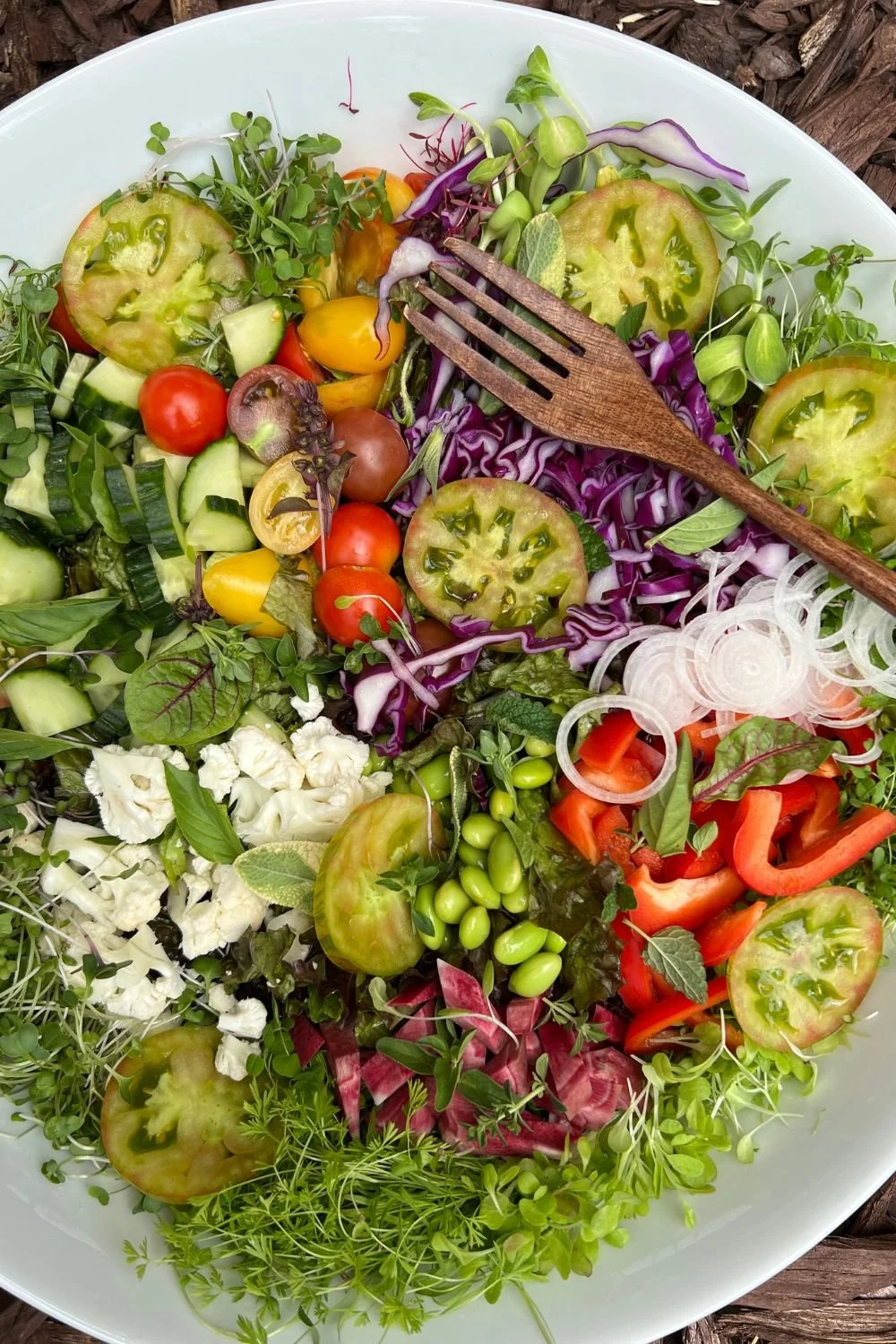
A thriving microbiome benefits from dietary diversity. Eating a wide variety of fiber-rich plant foods provides substrates our gut microbes can use and helps support a diverse microbial community.
What About Men and Soy?
If you've spent any time online, you've probably heard the jokes.
"Soy boy."
"Enjoy your man boobs."
"Soy lowers testosterone."
The good news is that these claims simply aren't supported by the research.
Scientists have specifically studied soy's effects on testosterone levels, estrogen levels, fertility, and reproductive health in men.
The results have been remarkably consistent.
Clinical studies have found that soy and soy isoflavone intake do not meaningfully lower testosterone or raise estrogen levels in men.
Researchers have also found no evidence that eating traditional soy foods causes feminizing effects or negatively impacts masculinity.
In fact, soy provides high-quality protein, fiber, vitamins, minerals, and beneficial plant compounds that support overall health.
In other words...
The tofu is innocent.
Why Soy Fits Beautifully Into a Whole Food Plant-Based Lifestyle
One of the things I appreciate most about soy is that it's a whole food.
It's not a supplement, a powder, or a magic pill.
It's simply a bean.
A wonderfully versatile bean that provides protein, fiber, minerals, and beneficial plant compounds in a package our bodies seem to recognize and utilize well.
And unlike many trendy health products, soy has centuries of traditional use behind it.
When eaten as part of a diet rich in fruits, vegetables, beans, whole grains, nuts, and seeds, soy fits beautifully into a pattern of eating that supports long-term health.
My Favorite Ways to Enjoy Soy
One of the easiest ways to benefit from soy is simply to include it regularly. We have some form of soy every single day.
Edamame
A delicious addition to salads, grain bowls, and nourish bowls. We buy the pack at Costco that has 12 bags. When I meal prep on Monday morning, I open several packages, boil them for a couple of minutes, and then divide them into several glass containers for the week. Makes it easy to grab and go.
Tofu
Versatile, affordable, and one of my favorite sources of plant protein. Although there are endless ways to enjoy tofu, I have to admit that during the week when I pack our lunches, I simply take the tofu out of the package, wrap it in a clean dish towel, press out the excess moisture, dice it up, and add some Bragg's Aminos to it! Both my husband and I love it like this. Sometimes on the weekends, we will get a bit more creative and make the tofu scramble recipe below.
Easy Garden Veggie Tofu Scramble
Ingredients
1 block extra-firm tofu, drained
1 teaspoon turmeric
1 tablespoon nutritional yeast
½ teaspoon garlic powder
¼ teaspoon black pepper
Pinch sea salt (optional)
1 cup mushrooms, sliced
½ onion, diced
2 cups spinach
½ red bell pepper, diced
Instructions
Crumble tofu into a skillet.
Add turmeric, nutritional yeast, garlic powder, pepper, and salt.
Add vegetables and cook until softened.
Stir in spinach until wilted.
Serve with fruit, sprouts, avocado, or wrapped in a whole-grain tortilla.
Tempeh
A hearty fermented soy food with a rich, nutty flavor. Sold near the tofu at your local health food store. It is easy to cut up and toss in a salad or slice thinly and add to a wrap.
Unsweetened Soy Milk
Perfect in smoothies, oatmeal, chia pudding, or homemade dressings. My favorite way to get in some soy milk is in a delicious beverage called Dandy Blend. When I gave up coffee years ago, I still craved that warm, soothing cup in the morning; this does that deliciously! It’s an herbal coffee alternative made from roasted dandelion root, chicory root, barley, and rye. I mix about 2 tbsp of Dandy Blend, 1 tsp of raw cacao, sometimes a pinch of cinnamon, ½ cup of soy milk, and the rest boiling water. It is SO good! I’ve also made a soymilk matcha latte, yum!
Natto
Not everyone's first love—but definitely one of mine.
This traditional fermented soybean food is rich in vitamin K2 and contains unique compounds that support cardiovascular health.
We started making our own natto about 3 years ago and have about ½ to 1 cup daily. Sometimes with chopped scallions, often with just a sprinkle of Bragg’s. The health benefits are astounding. Read my complete guide to natto and why It’s one of my favorite fermented foods.
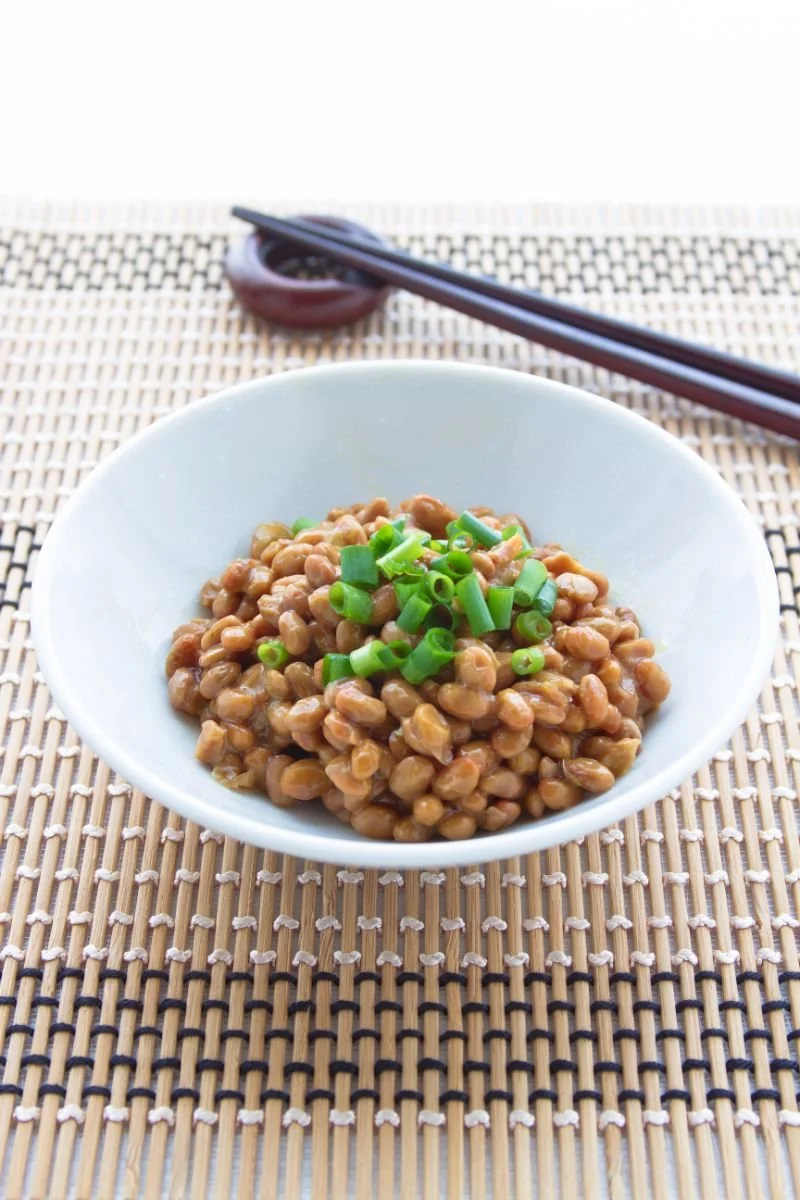
Natto, or fermented soybeans, are a powerhouse of protein and vitamin K2 which is vital for bone health.
What Really Creates Health
If there's one thing I've learned over the years, it's that health isn't built by a single food. It's built through consistent habits, and soy can absolutely be part of that picture. Its benefits are best understood within the larger pattern of foods our bodies thrive on: leafy greens, cruciferous vegetables, colorful fruits, beans, whole grains, nuts and seeds, and plenty of fiber to nourish the gut microbiome.
That's why I focus on a whole food plant-based lifestyle rather than chasing the latest superfood.
Frequently Asked Questions
Does soy increase estrogen levels?
No. Soy contains phytoestrogens, which are different from human estrogen and behave differently in the body.
Does soy need to be organic?
In my opinion, yes.
Much of the soy grown in the United States is genetically engineered, and conventional farming can involve the use of herbicides and pesticides. Because organic soy foods are widely available and reasonably affordable, I personally choose organic whenever I can.
The good news is that finding organic options isn't difficult. Organic tofu, edamame, tempeh, soy milk, and even natto can be found in most health food stores and many conventional grocery stores.
While many of the studies showing soy's benefits did not specifically require organic soy, I prefer to minimize my exposure to pesticides and genetically modified crops whenever I can. Since soy is a food I eat regularly, choosing organic feels like a simple and worthwhile choice for me.
Is soy safe for breast cancer survivors?
Current research suggests traditional soy foods are safe for breast cancer survivors and may even provide protective benefits.
How much soy did the studies use?
Many studies examining traditional soy-food consumption have involved amounts roughly equivalent to about one to three servings a day, although intake and study designs vary.
What are the healthiest soy foods?
Edamame, tofu, tempeh, natto, miso, and unsweetened soy milk. These are the forms I generally favor over highly processed soy products—because whole and minimally processed foods fit the way I prefer to eat.
Does soy lower testosterone in men?
Research has consistently found no meaningful effect of normal soy consumption on testosterone levels in men.
Final Thoughts
For decades, soy was a food many women feared. Today, the research tells a very different story. Rather than increasing risk, traditional soy foods appear to support health in ways researchers are still uncovering.
For me, soy isn't a miracle food. It's simply one more gift from God's garden—a nourishing food that fits beautifully into a lifestyle centered on whole plant foods, movement, rest, sunshine, connection, and faith.
And that's a message worth sharing.
Want to Learn More?
If you're interested in the whole food plant-based lifestyle that transformed my own health journey, I invite you to read:
Start Here: Simple First Steps to a Healthier, More Energized Life
Healing Food vs. Healthy Food: Let’s Explore the Difference
The Anti-Cancer Crusaders: How Cruciferous Vegetables Protect and Improve Your Health
Because while soy may be one piece of the puzzle...
The bigger picture is even more exciting.