Plant-Based vs. Carnivore Diets: What the Science Says About Long-Term Healing and Health

Whole plant foods provide fiber, phytochemicals, and nutrients that support long-term health.
In recent years, extreme diets have gained massive attention online. Among the most popular is the carnivore diet, which eliminates all plant foods in favor of meat, eggs, and animal fat. At the same time, decades of research continue to support whole-food, plant-based diets for longevity, disease prevention, and healing.
So which approach truly supports long-term health?
To answer that, we need to move beyond anecdotes and look at how these diets affect the gut microbiome, inflammation, immune function, and metabolic health over time.
How Diet Shapes the Gut Microbiome
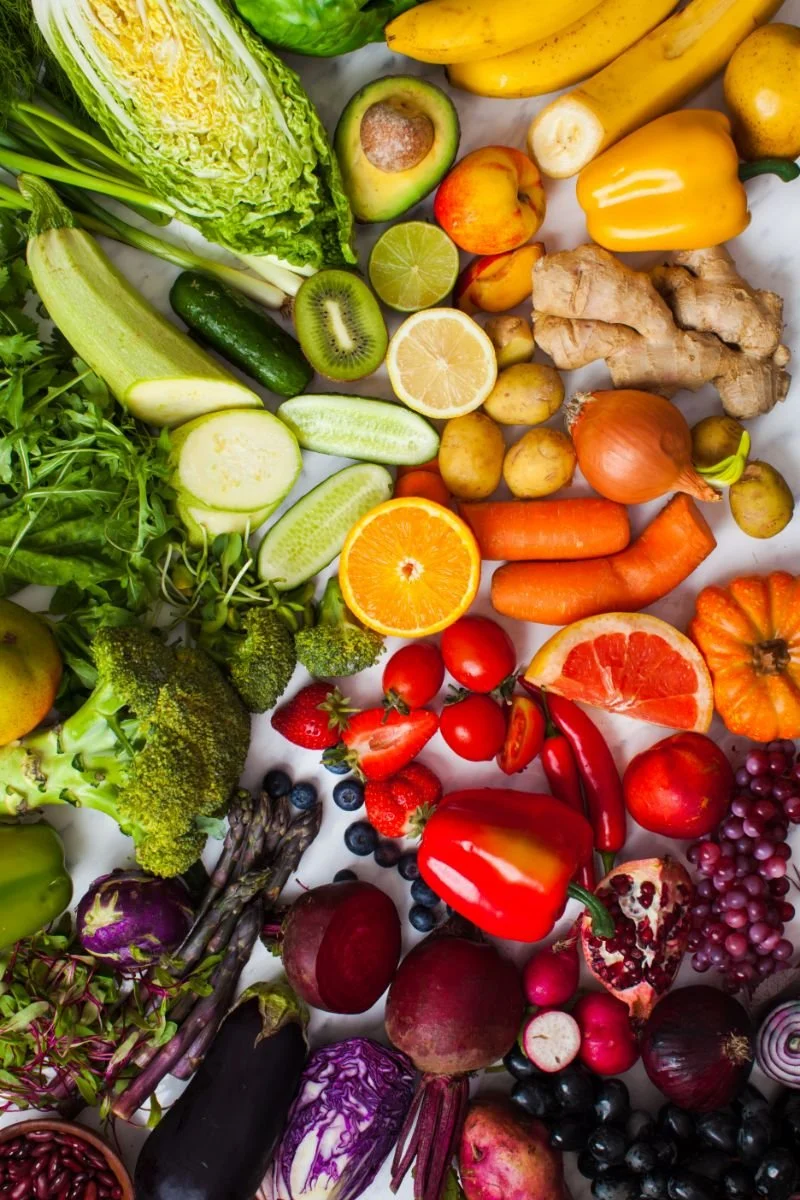
The diversity of plant foods may be one of the greatest advantages of a whole-food, plant-based diet.
Your gut microbiome is a living ecosystem made up of trillions of microorganisms that influence nearly every system in the body — digestion, immunity, hormone balance, brain health, and inflammation.
What you eat determines which microbes thrive. For example, if you eat a lot of ultra-processed foods, you will have gut microbes that prefer to eat that, whereas if you eat predominantly fruits and vegetables, you will have gut microbes that prefer that food source.
Understanding how different diets affect the gut microbiome is key to making informed choices about long-term health.
Plant-Based Diets:
Feed fiber-loving, anti-inflammatory bacteria
Increase production of short-chain fatty acids (SCFAs) like butyrate
Support gut barrier integrity
Promote microbial diversity (a key marker of resilience and health)
Carnivore Diets:
Eliminate dietary fiber entirely
Favor bile-tolerant, inflammatory bacteria
Reduce microbial diversity
Suppress short-chain fatty acid production over time
Microbiome diversity isn’t a trend — it’s a foundational marker of long-term health.
Animal Fat and Microbiome Imbalance
Diets high in animal fat and low in fiber shift the microbiome in predictable ways. Research shows that animal-based diets increase bacteria associated with inflammation and intestinal permeability.
Common effects of high animal-fat diets include:
Increased growth of bile-tolerant microbes linked to gut inflammation
Reduced populations of protective, fiber-fermenting bacteria
Higher levels of endotoxins entering the bloodstream
Increased systemic inflammation markers
Greater strain on immune regulation
These changes can occur within days, even if symptoms aren’t immediately noticeable.
Why Some People Feel Better Short-Term on Carnivore Diets

This is the most common thing I hear from people who are frustrated with their health and not sure if a meat-heavy diet is ideal. They often say that as soon as they went on the carnivore diet, they felt so much better. But what I ask them to consider is what they removed from their diet, not just what they added!
It’s important to acknowledge why carnivore diets appear to work for some people — at least initially.
Short-term symptom relief may come from:
Removing ultra-processed foods
Eliminating sugar and refined carbohydrates
Avoiding foods that irritate a compromised gut
Simplifying digestion in the short run
However, short-term relief does not equal long-term healing.
Carnivore diets act more like a dietary elimination strategy than a restorative one — reducing triggers without rebuilding the systems needed for resilience.
Understanding the Carnivore Disconnect
The popularity of carnivore diets is driven less by long-term data and more by:
Anecdotal success stories
Social media reinforcement
Charismatic influencers
Simplistic narratives (“plants are toxic”)
Most claims rely on personal testimony rather than long-term, controlled human studies. There are currently no large-scale studies demonstrating that fiber-free, animal-only diets support longevity, cardiovascular health, or sustained immune balance.
In contrast, populations with the longest lifespans consistently consume diets rich in plant foods and fiber.
Leaky Gut and Microbiome Imbalance

A healthy gut microbiome depends on dietary fiber, which is found exclusively in plant foods.
People with gut damage or dysbiosis may temporarily feel worse when reintroducing plant foods. I personally know people who are experiencing this today. They know plants are important, but they react to them in ways they don’t understand. I’ve encouraged them to look into this very well-researched topic to find answers. This is often misunderstood as a “plant allergy,” when it’s actually a sign of microbial imbalance and gut barrier dysfunction.
Common contributing factors include:
Reduced fiber-digesting bacteria
Increased intestinal permeability (“leaky gut”)
Inflammatory immune signaling
Poor short-chain fatty acid production
Nervous system hypersensitivity
Avoiding plants may reduce symptoms temporarily, but it does not repair the gut. Long-term healing requires restoring microbial diversity and gut integrity — both of which depend on plant fiber.
Why Plant-Based Diets Support Long-Term Healing

Long-term dietary patterns matter more than short-term solutions
Whole-food, plant-based diets provide:
Soluble and insoluble fiber
Polyphenols and antioxidants
Anti-inflammatory phytonutrients
Prebiotics that rebuild microbial balance
Over time, this leads to:
Lower chronic inflammation
Improved immune regulation
Better metabolic health
Stronger gut barrier function
Reduced risk of cardiovascular disease, diabetes, and certain cancers
Healing is not about avoiding stressors forever — it’s about building resilience. Plant foods create that resilience.
Healing the Root Cause
Carnivore diets may quiet symptoms, but they do so by withdrawing stimulation rather than rebuilding health.
Plant-based diets work more slowly — but they address the root causes:
Microbiome imbalance
Chronic inflammation
Immune dysregulation
Metabolic dysfunction
Long-term health isn’t about what you can tolerate today — it’s about what your body can thrive on for decades.
What I Have Found
True healing doesn’t come from dietary extremes. It comes from nourishing the systems that keep you well — especially the gut.
Fiber is not optional.
Plants are not the enemy.
And sustainable health is built on diversity, not restriction.
Frequently Asked Questions
Is the carnivore diet healthy long-term?
There is currently no long-term human research showing that a carnivore diet supports longevity or long-term health. While some people experience short-term symptom relief, studies consistently link fiber-rich, plant-based diets to better gut health, lower inflammation, and reduced risk of chronic disease.
Why do some people feel better on a carnivore diet at first?
Many people feel temporary relief because the diet removes processed foods, sugar, and common gut irritants. This short-term improvement does not mean the diet is healing the gut — it often reflects symptom suppression rather than restoration of gut health.
Can a plant-based diet heal the gut microbiome?
Yes. A whole-food, plant-based diet provides fiber and phytonutrients that feed beneficial gut bacteria, increase microbial diversity, and support the gut lining. These changes help reduce inflammation and improve long-term digestive and immune health.
Is fiber really necessary for gut health?
Yes. Fiber is essential for producing short-chain fatty acids, such as butyrate, which protect the gut lining, regulate inflammation, and support immune balance. Diets without fiber are associated with reduced microbiome diversity and increased inflammation over time.
Are plants inflammatory for some people?
People with gut damage or dysbiosis may temporarily feel worse when reintroducing plant foods. This usually reflects a lack of fiber-digesting bacteria or a weakened gut barrier — not a true plant allergy. Gradual reintroduction and gut healing can restore tolerance.