30 Plants a Week: A Practical Way to Increase Microbial Diversity
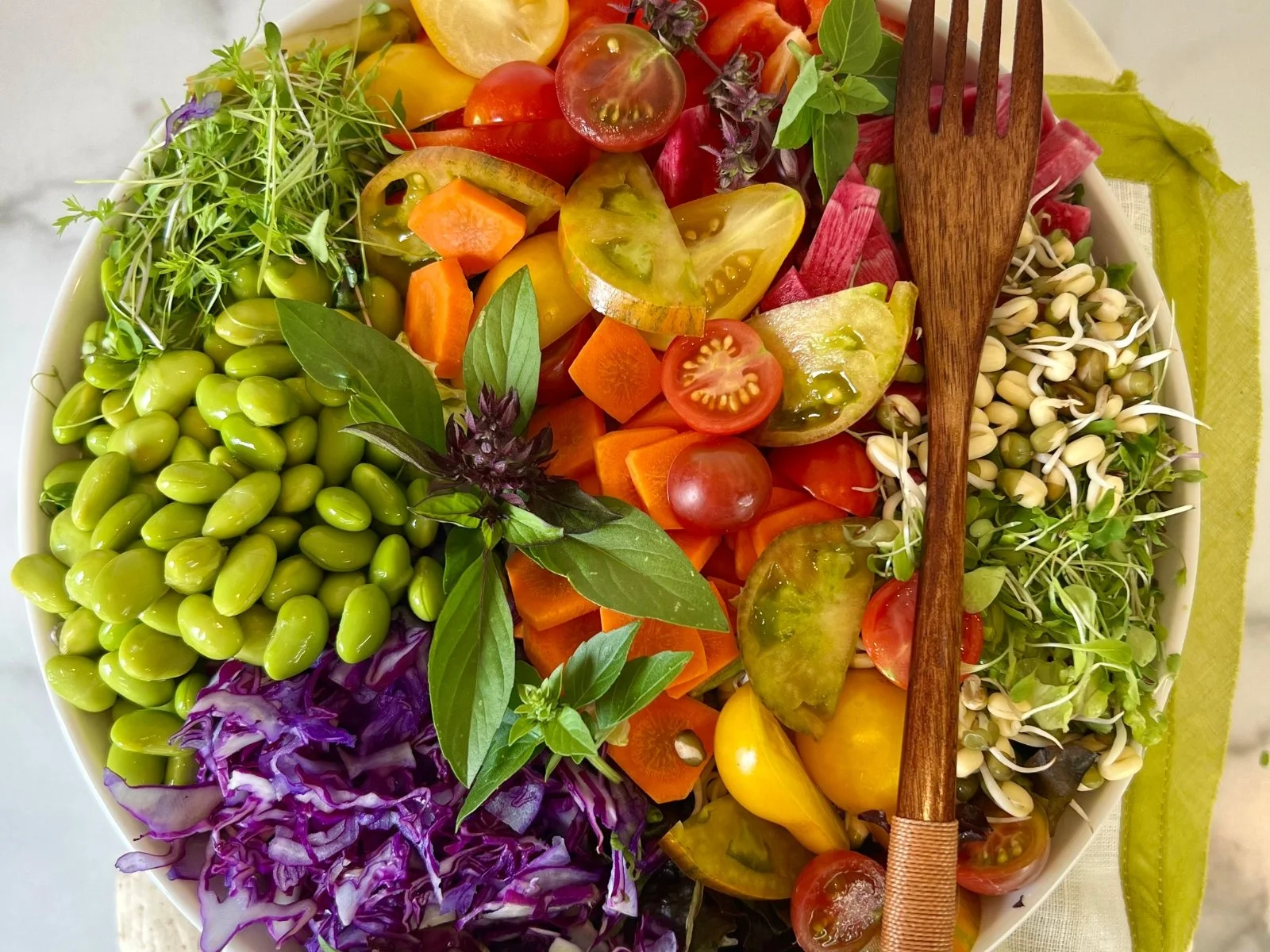
Why 30 plants is a useful guide—and why feeding your gut a greater variety of plants may be one of the simplest ways to support your microbiome.
If I told you that one of the simplest ways to support your gut microbiome might be to eat 30 different plant foods a week, what would you think?
Thirty?!
That's usually the part that gets everyone's attention. But here's what makes this recommendation so interesting:
Thirty isn't really the point. Diversity is.
Researchers studying thousands of people in the American Gut Project discovered something fascinating. People who reported eating more than 30 different kinds of plants each week had greater gut microbial diversity than those eating 10 or fewer.
And when you understand what those microbes can do with the foods we feed them—breaking down fibers we can't digest ourselves and producing compounds such as short-chain fatty acids that interact with our gut lining, immune system, and inflammatory responses—the idea of eating for microbial diversity becomes much more meaningful than simply checking off 30 boxes.
The best part?
Thirty plants sounds like an enormous amount until you discover what actually counts.
Beans count. Lentils count. Whole grains count. Nuts and seeds count. Herbs and spices contribute to plant diversity. Fruit counts.
I've counted my own plant foods before and found that I can reach 30 quite easily while eating the way I normally do. I don't routinely count anymore, but I still love the idea behind this recommendation because it gives us a wonderfully simple way to practice something our gut microbes seem to appreciate very much:
Variety.
So let's look at where the famous "30 plants a week" recommendation actually came from, what the research really found, why diversity matters—and how surprisingly easy it can be to put into practice.
Where Did "30 Plants a Week" Come From?
The finding came from a much larger question researchers were exploring: what aspects of diet seem to matter most to the gut microbiome?
Interestingly, broad dietary labels such as vegan, vegetarian, and omnivore weren’t especially useful for explaining differences in people’s gut microbial communities.
Something else was more revealing:
The diversity of plants people ate.
Researchers found differences not only in microbial diversity, but also in the types of microbes and metabolites present. Several putative short-chain-fatty-acid-producing microbes were associated with greater plant diversity, including bacteria related to Faecalibacterium prausnitzii and Oscillospira.
They also found a lower abundance of certain antibiotic-resistance genes among people reporting greater plant variety.
Fascinating?
Absolutely.
But here’s the part worth understanding before we turn “30” into another nutrition rule:
The study did not establish 30 as a precise biological threshold for a healthy gut.
The number became useful because it gave researchers—and eventually the rest of us—a simple way to talk about something much bigger:
dietary diversity.
If the microbiome itself still feels a little mysterious, start with my guide to what the gut microbiome is and why it matters. Once you understand the extraordinary community living inside you, everything we're about to explore becomes even more fascinating.
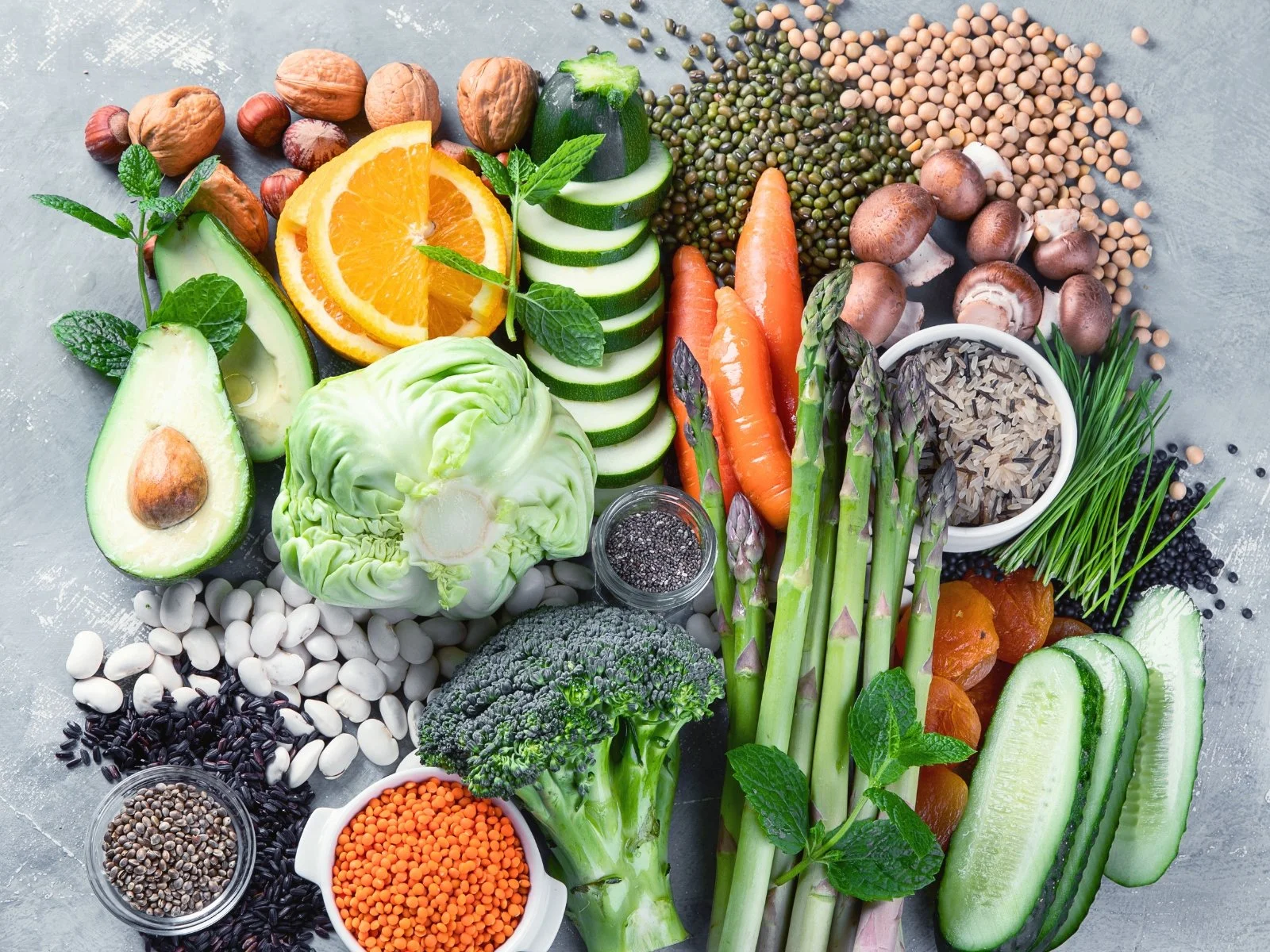
Why Would Different Plants Feed Different Microbes?
A carrot isn't nutritionally identical to a lentil.
A lentil isn't identical to an oat.
An oat isn't identical to an onion.
And an onion isn't identical to a blueberry.
Different plants bring different combinations of dietary fibers, resistant starches, polyphenols and other phytochemicals, vitamins and minerals.
Our microbes have different abilities, too.
Humans can't completely digest many types of dietary fiber ourselves. Those compounds travel through the digestive tract and reach the colon, where members of our microbial community can go to work on them.
Different microbes possess different enzymes that allow them to break down different carbohydrates.
So rather than thinking only:
Fiber feeds the microbiome.
I think it's more useful to think:
Different plant fibers provide different foods for different members and functions of the microbiome.
That's one reason variety matters.
Resistant starch is particularly interesting because it resists digestion in the small intestine and reaches the colon, where microbes can ferment it.
Imagine planting a garden with nothing but tomatoes.
You might have spectacular tomatoes. But compare that with a garden containing tomatoes, peppers, herbs, lettuces, beans, flowers, berries, vines, and dozens of other plants.
The richness of that ecosystem comes partly from its diversity.
Our gut microbiome is vastly more complicated than a garden, but I love the analogy here because it helps us picture what we're trying to cultivate.
We aren't searching for one perfect gut-health food.
We're nourishing an ecosystem.
And This Is Where Short-Chain Fatty Acids Enter the Story
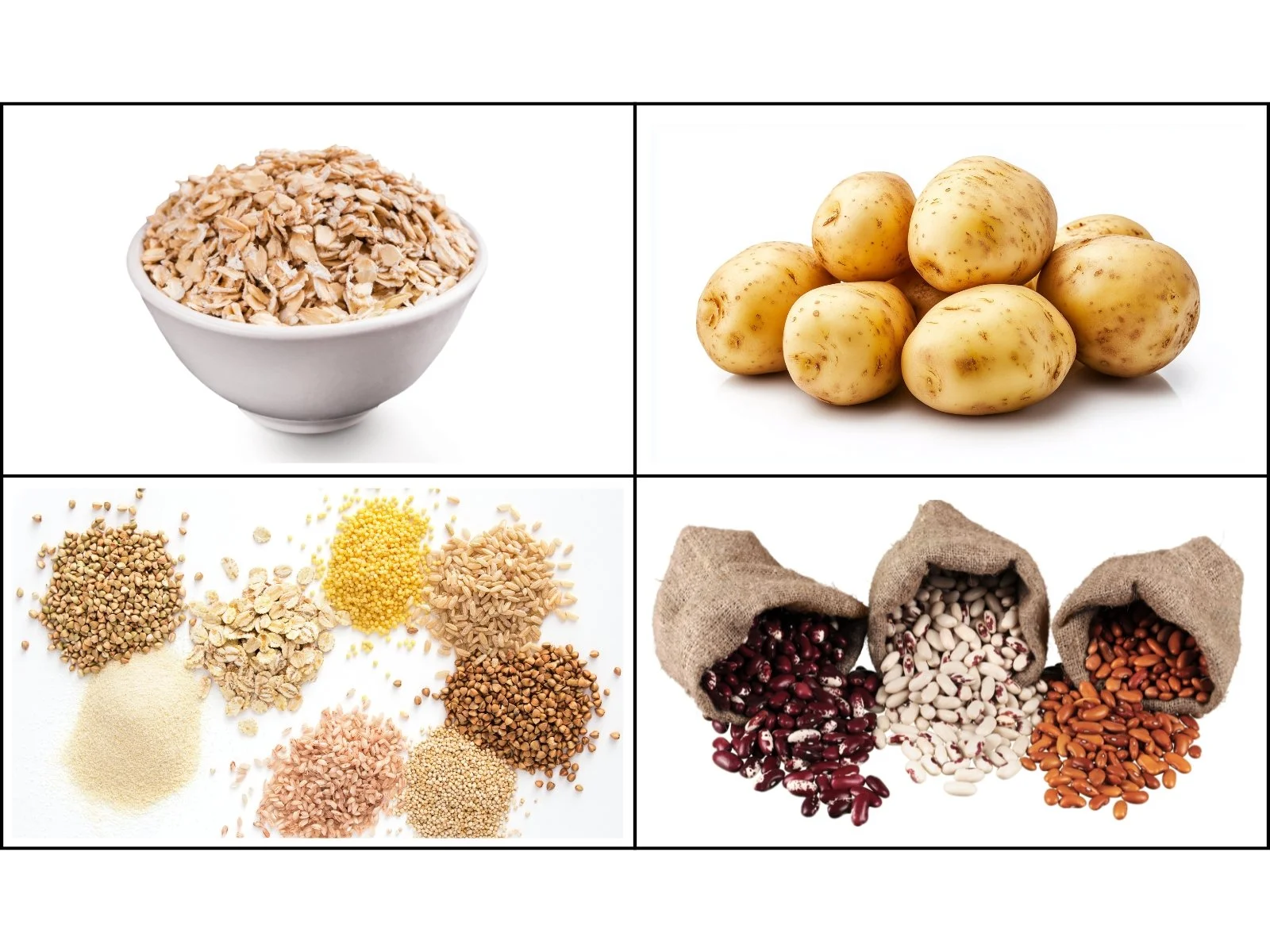
Everyday sources of fermentable fiber and resistant starch include oats, potatoes, whole grains, and beans.
Resistant starch is especially interesting because preparation can change how much of it a food contains.
Resistant starch can also occur naturally in foods before cooking. Green bananas, for example, are particularly rich in type 2 resistant starch: as bananas ripen, much of that starch is converted to sugars.
When foods such as potatoes or rice are cooked and then cooled, some of their starch rearranges into type 3 resistant starch. That makes it more resistant to digestion in the small intestine, allowing more of it to reach the colon, where gut microbes can ferment it.
Here's the part I wish more conversations about "30 plants" explained.
Why do we care about feeding all these microbes in the first place?
One reason is what they can make for us.
When certain gut bacteria ferment fibers and resistant starches that reach the colon, they produce metabolites called short-chain fatty acids, or SCFAs.
The three major SCFAs are:
Acetate
Propionate
Butyrate
These little molecules have become a fascinating area of microbiome research.
Butyrate is especially interesting.
The cells lining your colon can use butyrate as an important energy source.
But SCFAs do much more than provide fuel.
Research shows that they participate in maintaining the intestinal barrier and regulating communication with the immune system. Butyrate, in particular, has important immune-regulating and anti-inflammatory actions.
Pause there for a moment, because I think this is remarkable.
We eat a plant.
Some of its fibers travel through our digestive tract largely untouched.
Microbes living in our colon ferment those fibers.
And in the process, they create molecules our own body can use.
We're feeding them.
They're producing compounds that interact with us in return.
That relationship has existed quietly inside the human body all along.
The more I learn about the microbiome, the more extraordinary the design becomes.
Does Eating 30 Plants Automatically Increase Butyrate?
This is where microbiome science becomes more complicated—and much more interesting—than a simple equation.
Eating 30 different plants does not guarantee that your body will produce a particular amount of butyrate or any other SCFA.
Your response depends partly on which microbes already live in your gut, what foods you're eating, how those microbes interact with one another, and what happens to the metabolites after they're produced.
Scientists can measure SCFAs in stool, but even that doesn't tell us exactly how much was produced because much of what gut bacteria make can be absorbed and used before it ever leaves the body.
So the equation isn't:
30 plants = X amount of butyrate.
Instead, think of plant diversity as providing your microbial community with a broader assortment of raw materials that different microbes can use.
That is a much better picture of what's happening.
Is a More Diverse Microbiome Always a Healthier Microbiome?
You'll often hear:
"A diverse microbiome is a healthy microbiome."
There's truth behind that idea. Greater gut microbial diversity is frequently associated with healthy states, while reduced diversity has been observed in a number of diseases and after disruptions such as antibiotic use.
But diversity isn't the entire definition of a healthy microbiome.
Who is there and what they're doing matter, too.
Imagine two forests containing the same number of species. They could still function very differently depending upon which organisms live there and how they interact.
The same principle applies to our gut.
Scientists are increasingly interested not only in identifying microbes but in understanding their function:
What are they consuming?
What are they producing?
How are those compounds interacting with the intestinal lining and immune system?
What happens when the microbial community changes?
We're still learning—and I find that exciting.
Plant Variety May Matter More Than the Label on Your Diet
I especially love this part of the American Gut findings because it's useful for those of us who eat plant-based.
Broad dietary labels such as vegan or vegetarian weren't particularly informative in explaining microbiome differences. Plant diversity was.
That makes sense when you think about it.
Two people can both call themselves vegan while eating completely different diets.
One might regularly eat beans, lentils, oats, berries, greens, cruciferous vegetables, whole grains, seeds, nuts, herbs, and dozens of other plants.
Another could technically eat vegan while relying on a relatively small number of foods. After all, Skittles and Oreos are vegan too!
Same label.
Very different plant diversity.
So while eating a whole-food, plant-based diet can make reaching 30 plants wonderfully easy, the label itself isn't the goal.
Variety is.
If you'd like help building that foundation, my Beginner's Guide to a Whole-Food, Plant-Based Diet walks through how to make plant-based eating practical, nourishing, and doable in everyday life.
It's Not Just Fiber: Meet the Polyphenols
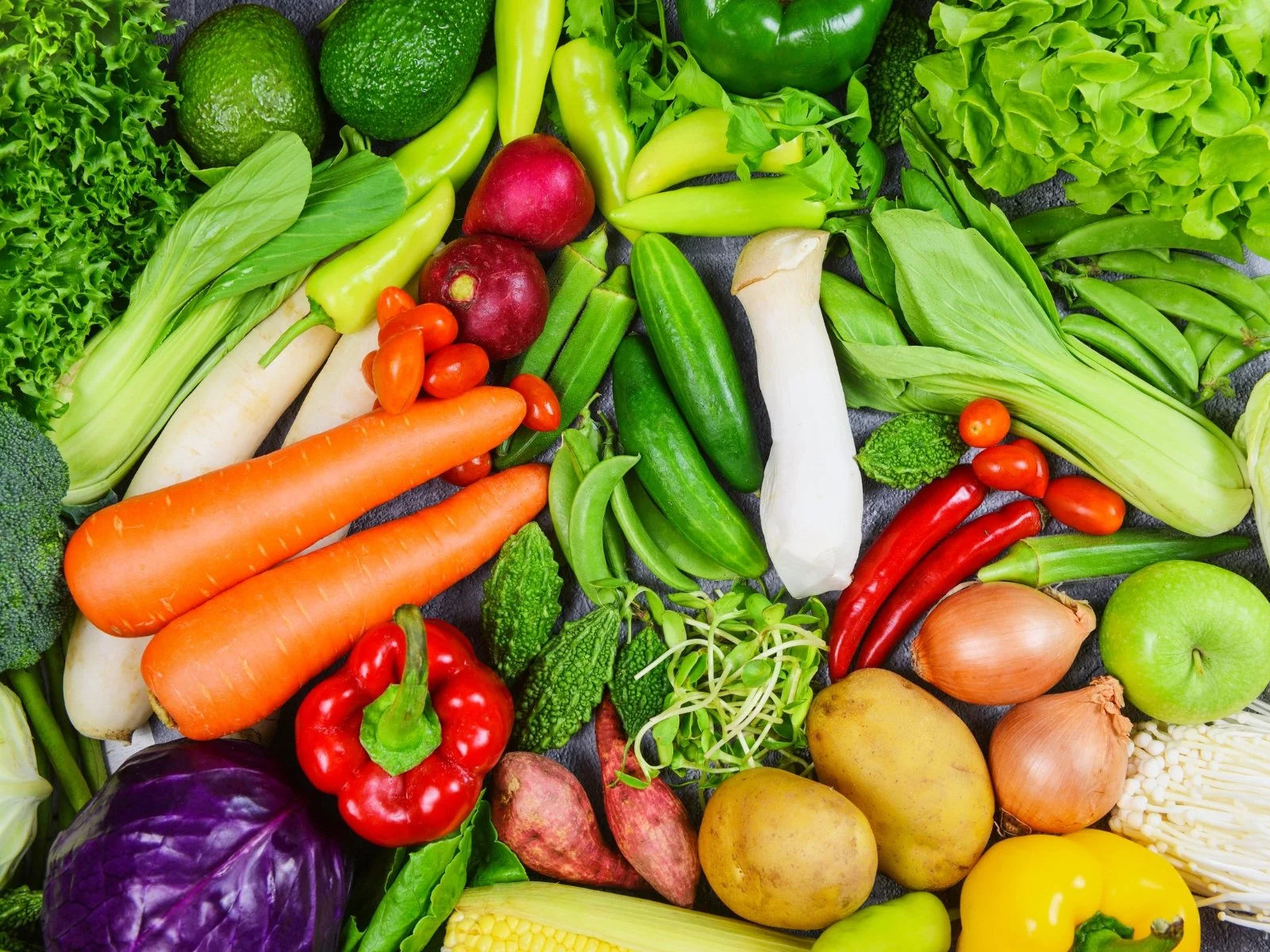
Fiber gets much of the attention in conversations about the microbiome—and deservedly so.
But plants bring something else to the party.
Polyphenols.
These are a huge family of naturally occurring compounds found throughout the plant kingdom.
They're part of what makes berries richly colored, herbs fragrant and cocoa bitter.
And here's another fascinating example of our partnership with microbes:
Many dietary polyphenols aren't completely absorbed in the small intestine. They reach the colon, where gut microbes can transform them into other compounds—some of which may then be absorbed and interact with our physiology.
Which gives us another reason to think beyond simply asking:
Did I get enough fiber today?
Instead:
How much variety did I give my microbes to work with?
Different colors.
Different fibers.
Different polyphenols.
Different textures.
Different plants.
That's a much more delicious way to think about gut health.
So...What Actually Counts as a Plant?
This is where 30 suddenly becomes much less intimidating.
We're talking about far more than vegetables.
Think across the plant kingdom:
Vegetables: kale, broccoli, carrots, cabbage, onions, garlic, asparagus, beets, peppers and tomatoes.
Fruits: berries, apples, bananas, oranges, mangoes, peaches, kiwi, grapes and pomegranates.
Legumes: lentils, chickpeas, black beans, kidney beans, peas and soybeans.
Whole grains: oats, barley, quinoa, brown rice, rye, buckwheat and farro.
Nuts: walnuts, almonds, pistachios, pecans and cashews.
Seeds: flax, chia, pumpkin, sunflower, sesame and hemp.
Herbs and spices: basil, cilantro, parsley, dill, rosemary, thyme, turmeric, ginger, cumin and cinnamon.
Thirty is beginning to look different now, isn't it?
Do herbs and spices really count?
They certainly contribute to dietary plant diversity and bring their own array of phytochemicals, but there isn't a scientifically validated "30 plants" scoring system specifying how much parsley or cinnamon earns one point.
The original American Gut research wasn't designed to create an elaborate set of counting rules.
So I wouldn't spend much energy debating whether a pinch of oregano officially qualifies.
Use 30 to encourage diversity, not nutritional bookkeeping.
That's the spirit of the idea.
Thirty Plants Can Add Up Surprisingly Fast
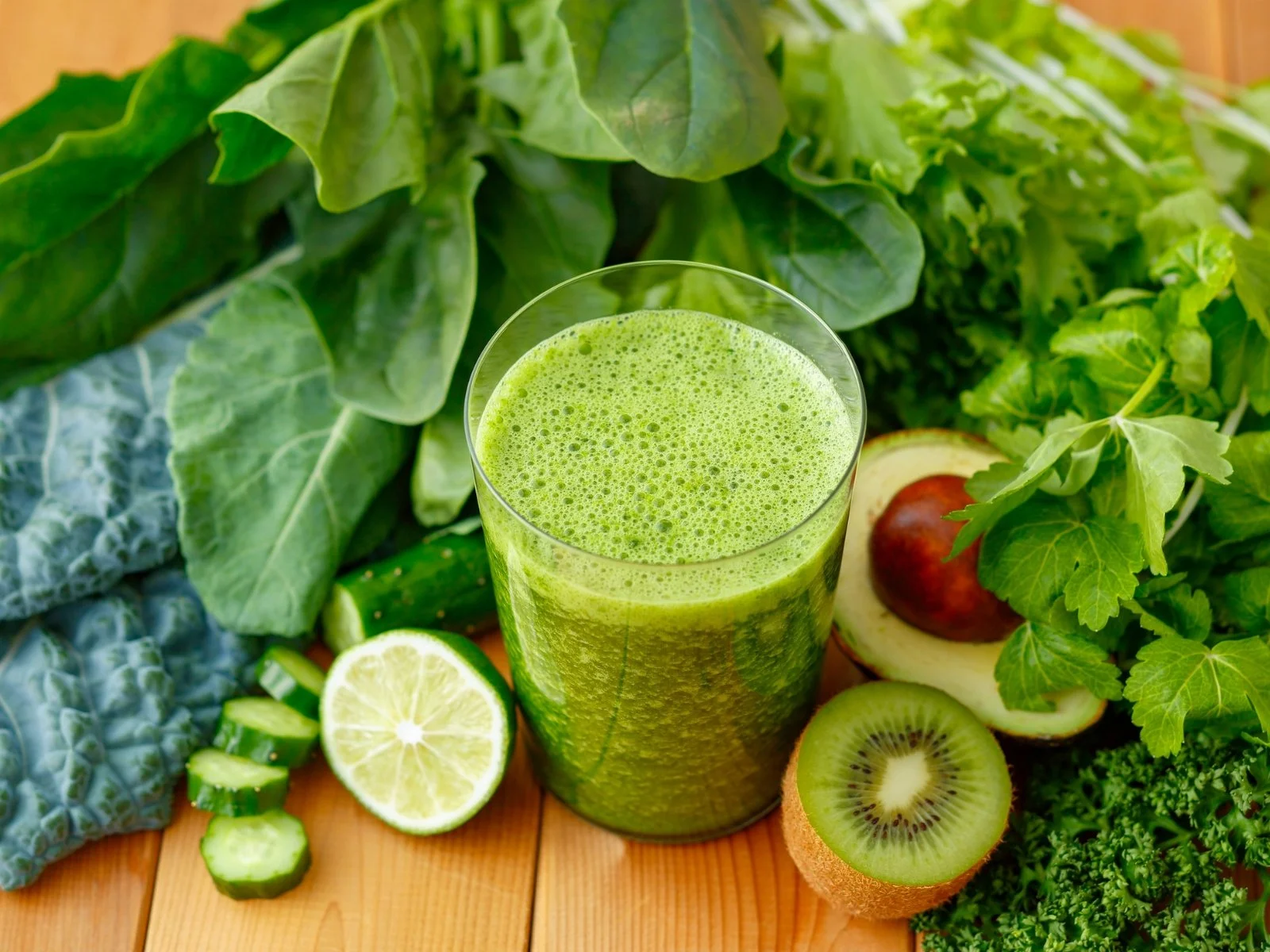
Let's look at one ordinary day.
Imagine a morning smoothie containing:
Kale
Broccoli sprouts
Banana
Mango
Lemon
Ginger
That's six plants.
And if broccoli sprouts have caught your attention, you can learn why broccoli sprouts are such an interesting source of sulforaphane and how to grow them at home.
Lunch could be a giant salad containing:
Cabbage
Arugula
Romaine
Carrots
Cucumber
Tomato
Lentils
Pumpkin seeds
Ground flaxseed
Avocado
We've now reached 16 different plants before dinner.
Dinner might add sweet potato, black beans, corn, cilantro and onion.
That's 21 different plants in one day without eating anything remotely exotic.
And you don't need to eat the same way tomorrow.
Tomorrow's smoothie could contain different berries.
Swap lentils for chickpeas.
Try quinoa instead of rice.
Add parsley.
Grab an apple.
Sprinkle cinnamon somewhere.
This is why, when I've counted my own plant foods, I've been able to reach 30 without making a special effort.
Eating a varied whole-food, plant-based diet does much of the work for you.
You Don't Need 30 Recipes
This may be one of the most practical things I can tell you.
You don't need 30 recipes to eat 30 plants.
You need a few simple meals with room for variety.
A smoothie can change with whatever greens, fruit, seeds, and herbs you have available.
A big salad can contain ten different plants without becoming complicated.
A grain bowl can begin with quinoa this week and brown rice next week, with different beans and vegetables each time.
Soup might be the ultimate "what plants do I have that need to be eaten?" meal.
The structure stays familiar.
The plants change.
That's how dietary diversity can become part of ordinary life rather than another nutrition project to manage.
Want some help putting that into practice? I've created a free 30 Plants a Week Shopping Guide + Meal Builder that shows you what to buy, how to turn those foods into simple meals and includes a fun tracker for seeing how much variety you're already eating.
Easy Ways to Increase Your Plant Diversity
If you're currently eating 10 plants a week, you don't need to force 20 unfamiliar foods into your grocery cart tomorrow.
Start with one good thing.
Buy two kinds of berries instead of one. Mix two greens into your salad. Rotate your beans. Add lentils to something you already make. Keep several nuts and seeds in the pantry. Use fresh herbs generously. Try a different whole grain. Add broccoli sprouts to your sandwich or smoothie. Choose a fruit you've never tried. Make soup with six vegetables instead of three. Keep frozen produce available so variety doesn't depend entirely on what's fresh that week.
One extra plant here and another there can change your weekly total surprisingly quickly.
And once you begin looking for variety, it becomes almost like a treasure hunt:
What plant can I add?
I love that question because it directs our attention toward abundance—toward all the wonderful foods we can enjoy.
Where Do Fermented Foods Fit?
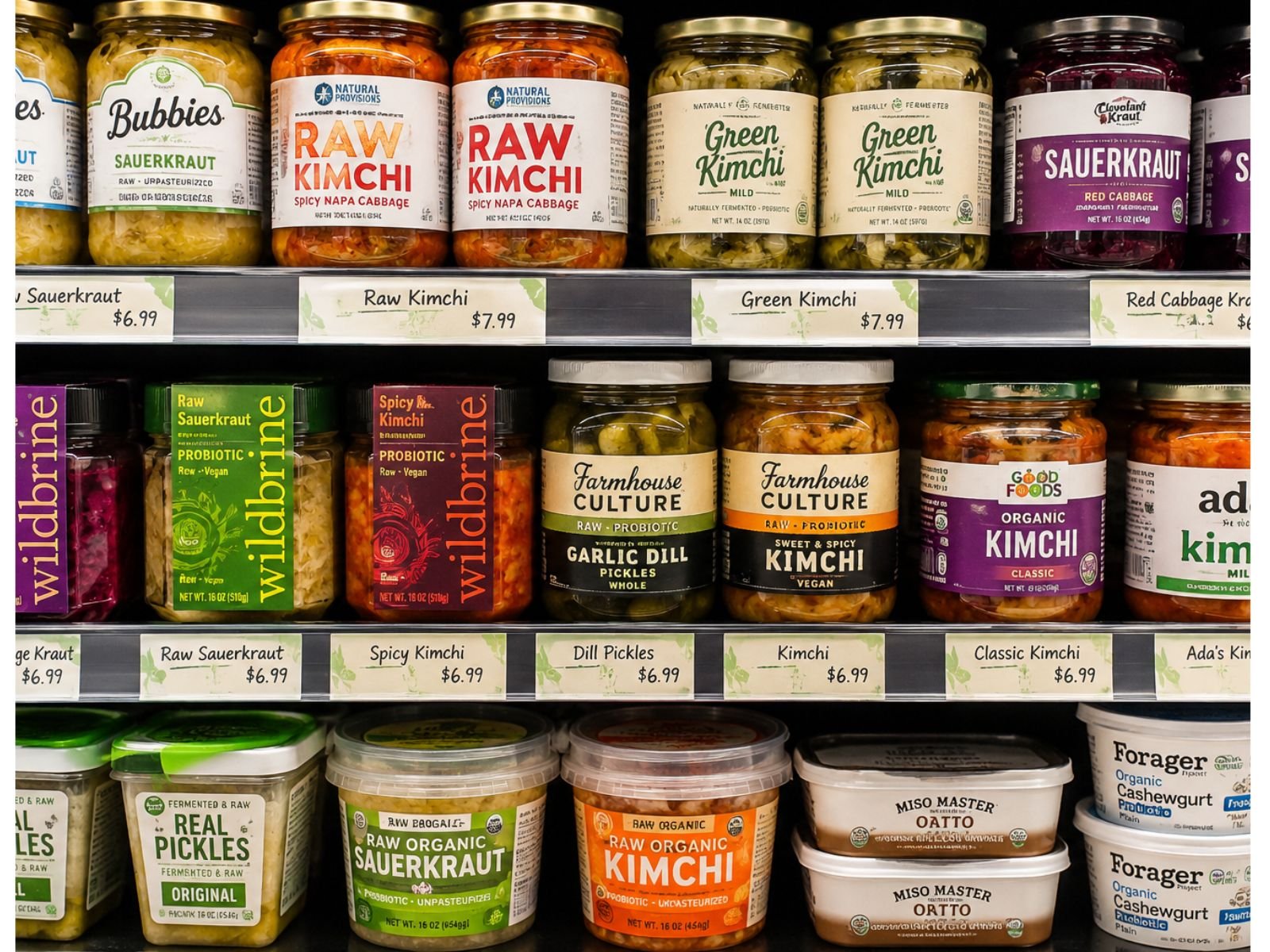
Fermented foods deserve a special mention because they're related to this conversation—but they're not the reason the American Gut Project arrived at the 30-plant finding.
They're another interesting strategy altogether.
In a Stanford randomized dietary intervention, people assigned to a diet high in fermented foods experienced increased microbiome diversity along with decreases in several inflammatory markers.
That doesn't mean fermented foods need to replace fiber-rich plants.
I think of them as wonderful companions.
Plants provide diverse fibers, resistant starches, polyphenols and nutrients.
Fermented foods bring something different to the table.
If you're curious about adding them to your meals, start with what fermented foods are and why they may benefit the gut. And when you're ready to try making your own, I'll walk you through how to ferment vegetables at home step by step.
What If You're Nowhere Near 30?
Then I hope this article makes you curious, not overwhelmed.
Thirty is a useful target because it encourages us to reach for more variety—but the real benefit comes from the diversity itself.
If you currently eat eight different plants each week and begin eating twelve, you’ve increased the variety of foods reaching your gut.
If twelve becomes eighteen, wonderful.
If one week you reach 27 and the next week 34, both weeks are still moving in the same beautiful direction.
Thirty is a guide.
That may be the most important sentence in this entire article.
The research gives us a fascinating direction:
Eat a greater variety of plants.
Try the 7-Day Plant Diversity Challenge
Here’s what I’d love you to try.
For one week, don’t intentionally change anything.
Just keep a running list of the different plant foods you eat.
At the end of seven days, count them.
Maybe you’re already at 30.
Maybe you’re at 22.
Maybe you’re at nine.
Whatever the number is, now you have something useful: a picture of what your normal week actually looks like.
Then ask yourself one simple question:
Where could I add a little more variety?
Maybe it’s another bean, a different berry, a new whole grain, or one more leafy green.
You don’t need to overhaul anything. You’re simply noticing where there’s room to grow.
And after a while, you may discover what I did: you stop counting because variety simply becomes the way you eat.
And if you'd like something you can actually stick on the refrigerator while you try it, grab my free 30 Plants a Week Shopping Guide + Meal Builder and printable 30-plant tracker above.
Pause & Wonder
The deeper I go into microbiome research, the more amazed I become by the relationship between our bodies, our food and the microscopic world living within us.
God created an astonishing variety of edible plants—different colors, flavors, fibers, starches and thousands upon thousands of plant compounds.
And He created us in partnership with a microbial community capable of taking components of those foods that our own digestive enzymes can't completely break down and transforming them into entirely new compounds.
We feed them.
They make things that interact with us.
Our intestinal cells respond.
Our immune system responds.
The conversation continues throughout the body.
We're only beginning to understand it.
And somehow, one of the most practical lessons emerging from all that complicated science is wonderfully simple:
Eat more variety.
Bring another plant onto your plate.
Then another.
Cultivate your inner ecosystem the same way you would cultivate a beautiful garden—with variety, nourishment, patience and time.
Healthy gardens aren't created in a day.
They're cultivated.
And perhaps that's a beautiful way to think about caring for our microbiome, too.
Questions You May Have About Eating 30 Plants a Week
Is 30 plants a week scientifically proven to be the ideal number?
No. Thirty came from the way researchers compared plant diversity in the American Gut Project, including people reporting more than 30 plant types per week with those reporting fewer than 10. They found greater microbial diversity in the higher-plant-diversity group, but the study did not establish 30 as an optimal biological threshold.
Think of 30 as a useful target that encourages variety—not a magic number.
What foods count toward 30 plants a week?
Vegetables and fruits are only the beginning. Legumes, whole grains, nuts, seeds, herbs and spices all contribute to dietary plant diversity.
The idea is to expose your diet—and your microbes—to a broad assortment of plant foods rather than trying to perfect an official score.
Do different colors or varieties of the same vegetable count separately?
This is another place where I wouldn't let counting overshadow the purpose.
Different cultivars can have somewhat different nutrient and phytochemical profiles, but there isn't an official research-based scoring system telling us whether Red Russian kale and lacinato kale earn two separate points.
Enjoy both because variety is wonderful. If you're keeping a simple tracker, I'd generally count foods by distinct plant type rather than trying to maximize points through varieties of the same species.
Do tofu, tempeh, edamame, natto and soy milk count as five plants?
They all originate from the soybean, so if you're tracking unique plant sources, I would count soy once.
That doesn't mean the foods themselves are nutritionally identical. Fermentation and processing can change a food considerably. We're simply talking about plant diversity here.
Do fermented vegetables count?
The vegetables themselves contribute to your plant variety. Fermentation then changes the food and adds another fascinating dimension through microbial activity and fermentation products.
Fermented foods also have research of their own suggesting potential benefits for microbial diversity and immune signaling, which is why I love including both plant diversity and fermented foods in my diet.
Will eating 30 plants increase my short-chain fatty acids?
Not in a predictable, guaranteed amount.
Gut microbes can ferment different fibers and resistant starches into SCFAs such as acetate, propionate and butyrate, but each person's microbial community and metabolic response differ.
Plant diversity provides a broader range of substrates for microbial metabolism. It isn't a formula where 30 plants automatically produces a certain amount of butyrate.
Is a more diverse microbiome always healthier?
Greater gut microbial diversity is often associated with healthy states, but diversity alone doesn't define a healthy microbiome.
Which organisms are present, what they're doing, which compounds they're producing and how your body responds all matter.
Microbiome science is rapidly evolving, and we still have an enormous amount to learn.
What is the easiest way to begin eating 30 plants a week?
Add instead of overhaul.
Put berries on breakfast.
Add another vegetable to your salad.
Open a can of beans.
Sprinkle seeds on top.
Use fresh herbs.
Rotate your whole grains.
Try a different fruit.
You don't need to reach 30 tomorrow.
Just keep inviting a little more variety onto your plate.
Do I need to count my plants forever?
Absolutely not.
Counting for a week can be incredibly useful because it shows you what your normal diet actually looks like.
Once eating a wide assortment of whole plant foods becomes second nature, the number has done its job.
Thirty is a guide, not a grade.
One Last Thought
The number 30 is wonderfully memorable.
But I hope that's not the most important thing you remember from this article.
I hope you remember why variety matters.
Every different plant brings its own collection of fibers, starches, phytochemicals, and nutrients into an extraordinary ecosystem that is constantly interacting with the rest of your body.
You don't need to feed it perfectly.
Just keep giving it something wonderful to work with.
One berry.
One bean.
One green.
One seed.
One colorful plant at a time, because we were created to flourish!

McDonald D, et al. American Gut: an Open Platform for Citizen Science Microbiome Research. mSystems. 2018;3(3):e00031-18.
Read the American Gut study
Microsetta Initiative. 30 Plants Per Week: Why Eating More Fruits and Vegetables Matters for Your Gut Microbiome.
Microsetta's 30 Plants explanation
Mann ER, Lam YK, Uhlig HH. Short-chain fatty acids: linking diet, the microbiome and immunity. Nature Reviews Immunology. 2024;24:577–595.
SCFA review
Wastyk HC, et al. Gut-microbiota-targeted diets modulate human immune status. Cell. 2021.