How to Make Dr. Brooke Goldner’s Goodbye Autoimmune Protocol Work in Real Life
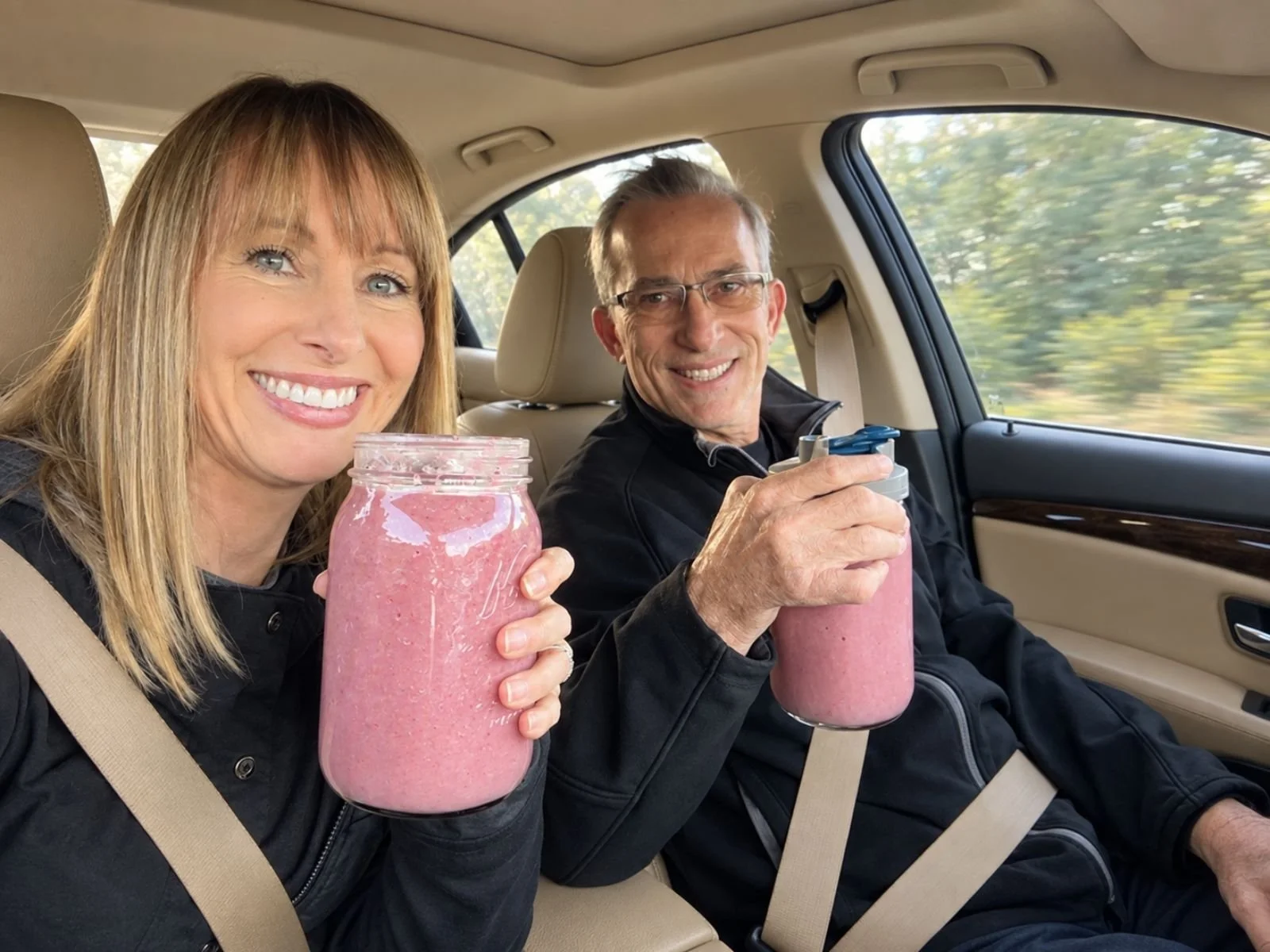
Practical ways to meal prep, work, travel, attend family gatherings, handle questions, maintain your weight, and make GAIP part of everyday life.
At first, learning about Dr. Brooke Goldner’s Goodbye Autoimmune Protocol is mostly about figuring out what to eat. How many greens? How much flax or chia? How much fruit can I eat? What goes in the smoothie? How much water am I supposed to drink?
And then you actually start doing it.
That’s when an entirely different set of questions comes up.
What am I going to take to work? What do I eat at my mother-in-law’s house? Can I bring all of this food on an airplane? Where will I find a pound of greens while I’m traveling? What do I say when someone tells me I’m eating too much flax or chia? And how exactly am I supposed to carry around this much water?
Those are the kinds of questions I want to answer here, because they are the things you really have to figure out when you’re trying to follow GAIP in everyday life.
Years ago, I changed my diet and lifestyle pretty dramatically because of my own health concerns, and I had such positive results that eating this way became part of my life. I still eat a high-raw, whole-food plant-based diet today.
I also spent over three and a half years eating completely raw vegan, which gave me a lot of practice making this kind of eating feel normal in everyday life. Over time, I learned how to plan ahead, stay flexible, and make it work without making food the center of everything.
For the past three years, I’ve also come back to Dr. Brooke Goldner’s GAIP about twice a year. I usually do it for about six weeks each time because I enjoy it. I love the food, the simplicity, and how I feel when I’m doing it, and by now I know how to fit it into my life pretty easily.
After doing this several times, I’ve realized that the food can actually become the easy part. Once the basic framework is familiar, the bigger question is:
How do I make this work with my actual life?
Work. Errands. Church. Vacations. Restaurants. Holidays. Family gatherings. Long days away from home. And yes, occasionally people who have quite a few thoughts about the giant bowl of cabbage you just brought to dinner.
This article is about the practical side of GAIP.
If you’re brand new to Dr. Goldner’s work and still wondering what goes into the smoothie or how much flax and chia you need, I would start with my complete guide to the Goodbye Autoimmune Protocol. I walk through the foods, amounts, smoothies, omega-3s, hydration, and many of the questions I had when I first learned about the protocol.
Then come back here.
Because once you know what you’re eating, I want to show you how I actually make it work.
Make the Decision Before You Get Hungry
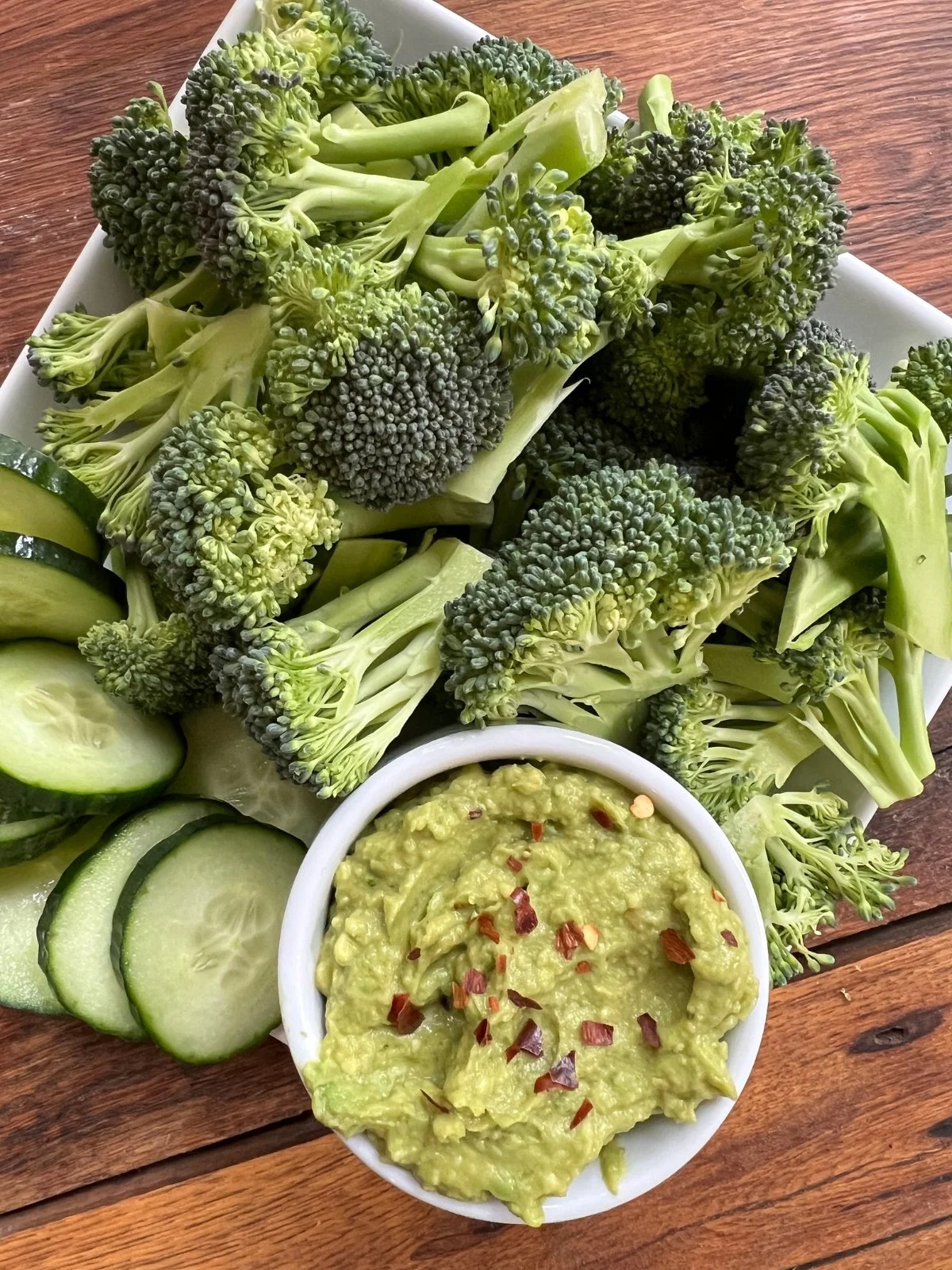
Sometimes food is as easy as ½ lb of broccoli, some cucumbers and simple guacamole.
One thing I appreciate about following a specific protocol is that it can actually simplify eating.
You have already decided.
You aren’t standing in the kitchen at 6:00 p.m. wondering what sounds good or renegotiating your plan at every meal.
During the active recovery phase of GAIP, you know the framework. For me, that means I can spend less mental energy deciding and more energy making sure the foods I need are ready and available.
And that leads to what I think may be the biggest secret to making GAIP work in real life:
Prepare for where you are going to be.
If I’m going to work, I bring food. If I’ll be gone most of the day, I bring food. If I’m going to a family gathering where the meal won’t work for me, I bring food. If I’m traveling, I make a plan before I leave.
That sounds almost too simple to be advice, but it changes everything.
Set Up Your Kitchen for GAIP
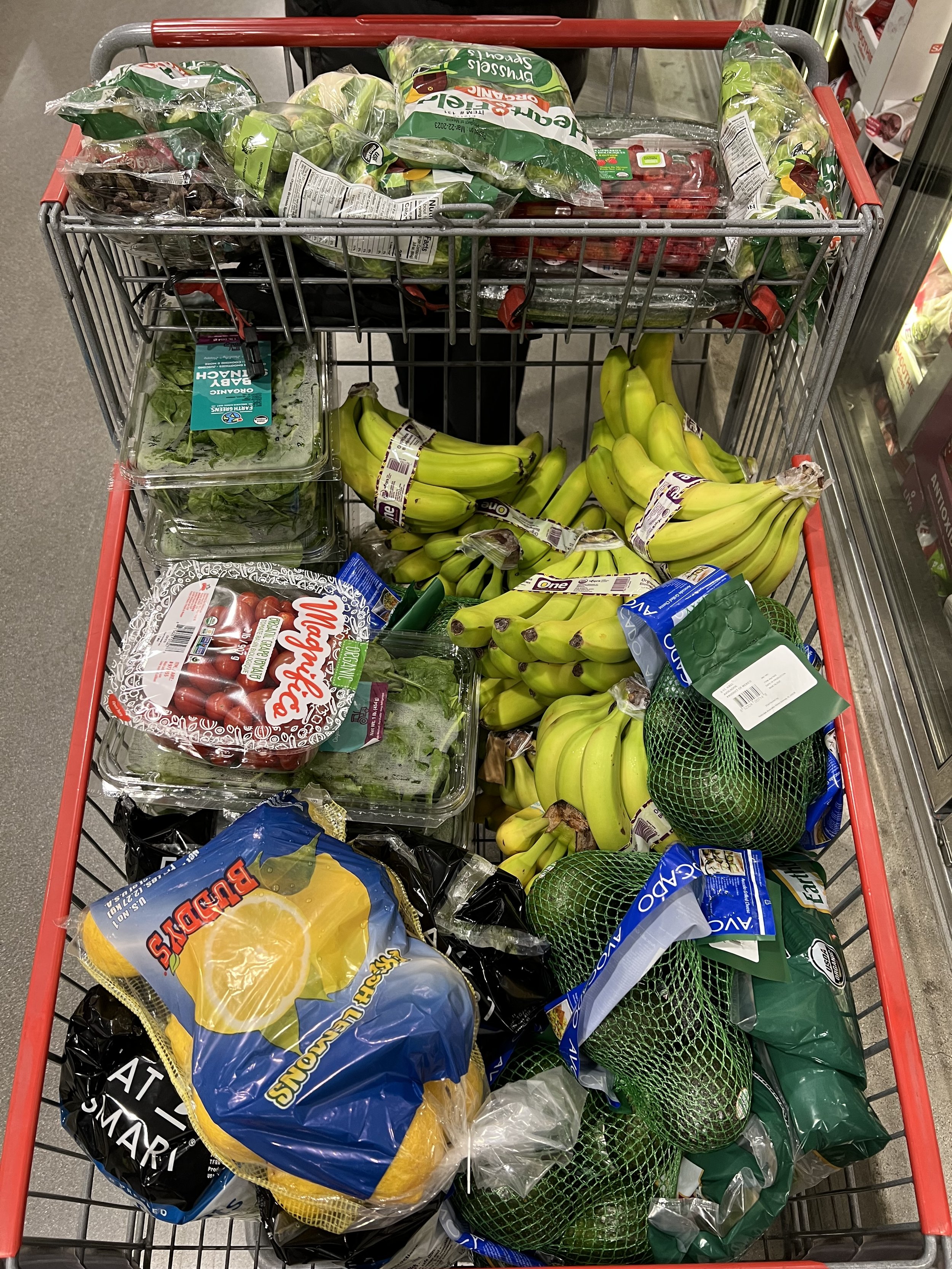
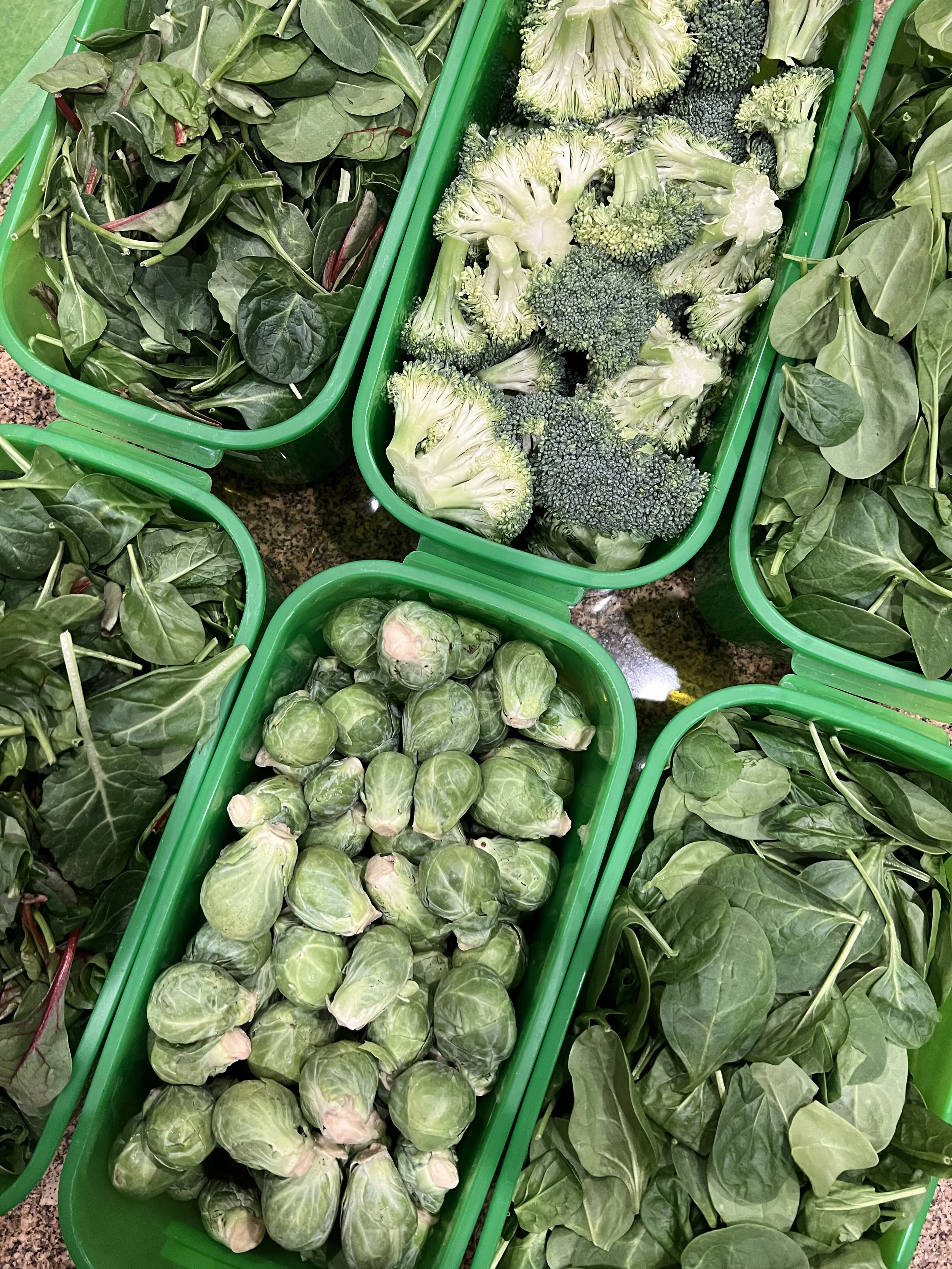
You are going to buy a lot of produce on GAIP, especially greens and cruciferous vegetables. At first, the amount can feel a little surprising, but it doesn’t take long before you get used to seeing your refrigerator full of cabbage, broccoli, greens, fruit, herbs, and colorful vegetables.
I actually love this part. There is something so satisfying about opening the refrigerator and seeing it packed with fresh food that I know I’m going to use.
A little organization makes it much easier, though. I like to think about what I need in a few simple categories:
Greens and cruciferous vegetables: enough to comfortably reach the daily amount without trying to make the last handful of kale stretch until tomorrow.
Smoothie fruit: fresh or frozen fruit ready to go.
Flax and chia: stocked so you aren’t suddenly discovering you have one tablespoon left.
Salad vegetables: cabbage, cucumber, tomatoes, peppers, or whatever protocol foods you enjoy.
Flavor: lemons, limes, herbs, ginger, and protocol-compliant seasonings that make simple food genuinely delicious.
Water: whatever system makes it easy to track your hydration throughout the day.
You don’t need a refrigerator that looks like a wellness retreat. You just need enough of the right food available that following the protocol becomes easy.
Meal Prep Doesn't Have to Mean Spending Sunday in the Kitchen
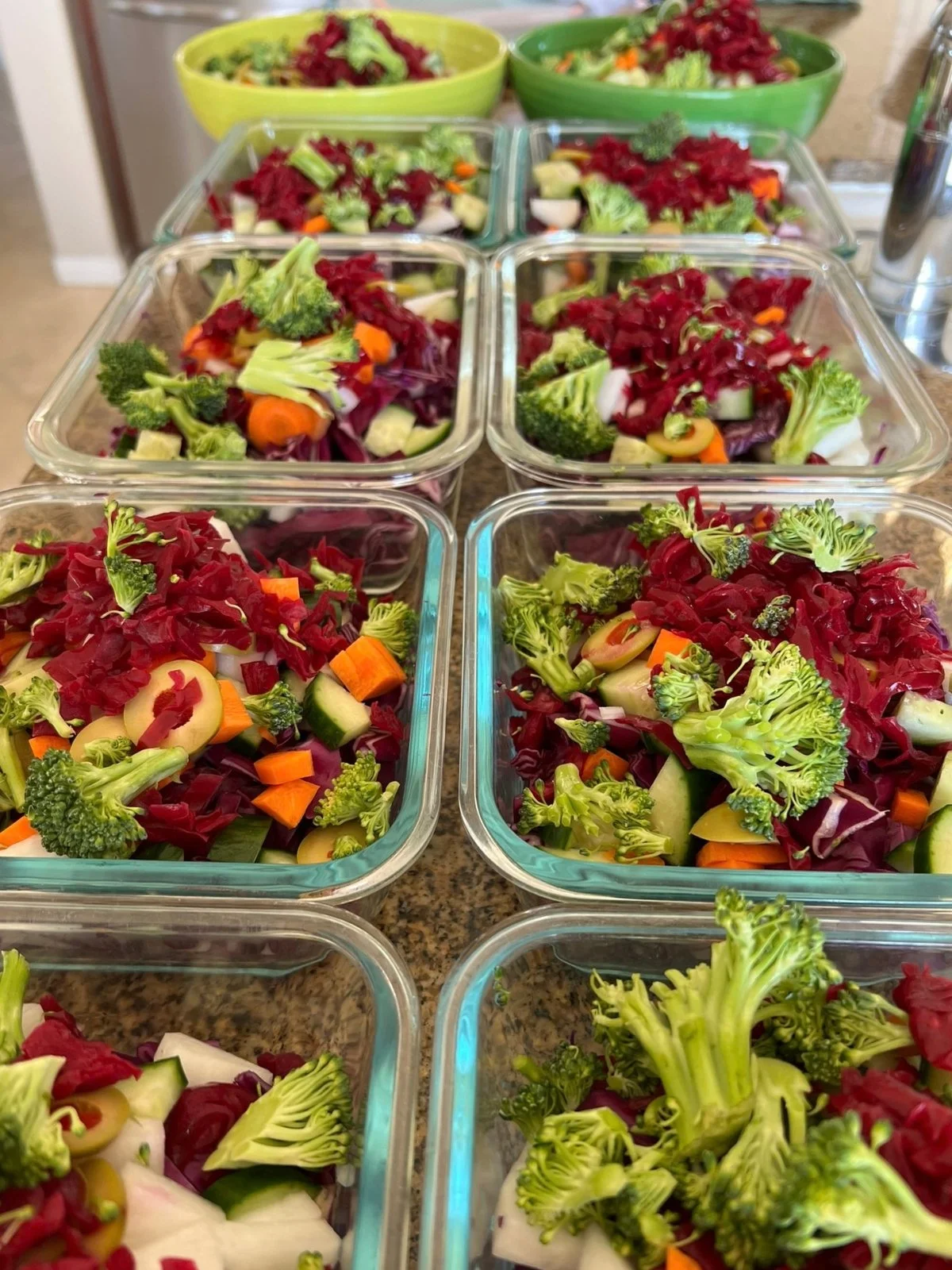
This is what meal prep often looks like at my house. On Sunday, while I’m already making our lunch salads, I line up enough containers to make eight for the workweek—four for me and four for my husband.
I’m a big fan of preparation, but I don’t think meal prep needs to take over your weekend. For me, the most useful kind of prep is simply doing a little extra while I’m already in the kitchen.
I don’t need a different lunch every day. I’m perfectly happy eating my red cabbage salad several days in a row. I line up the containers, place each one on my kitchen scale, add about half a pound of cruciferous vegetables along with whatever other vegetables I have on hand, top them with a little sauerkraut, and snap on the lids.
Once everything is out, making the extra salads only takes a few more minutes, and weekday mornings are much easier.
If I know we have a particularly busy weekend coming, I’ll sometimes make two extra salads when I’m preparing Friday’s lunch. Again, it only takes another five or ten minutes, and then I already have good food ready when the weekend gets full.
That is really what meal prep means to me: not spending hours making elaborate recipes, but removing little obstacles ahead of time.
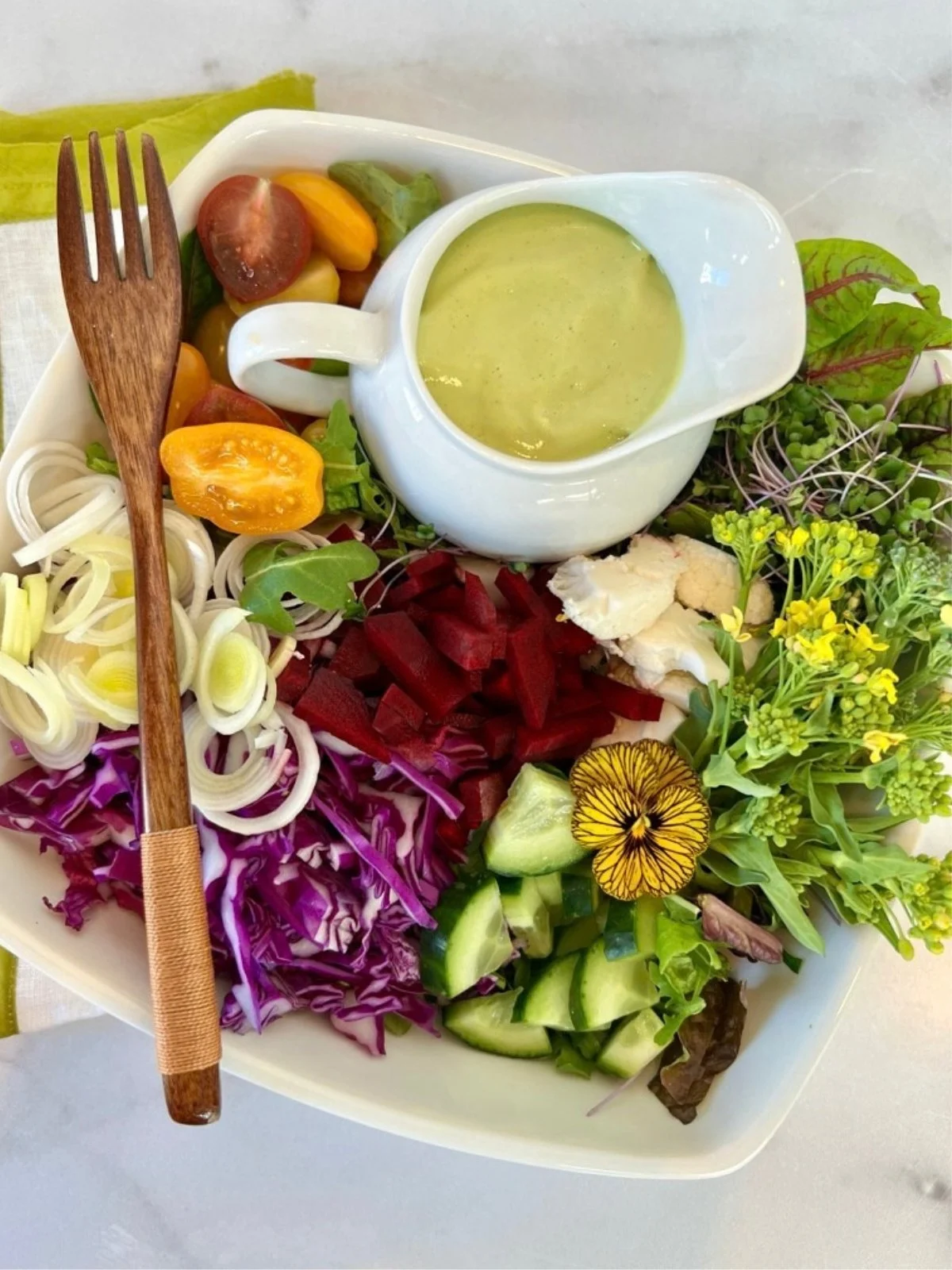
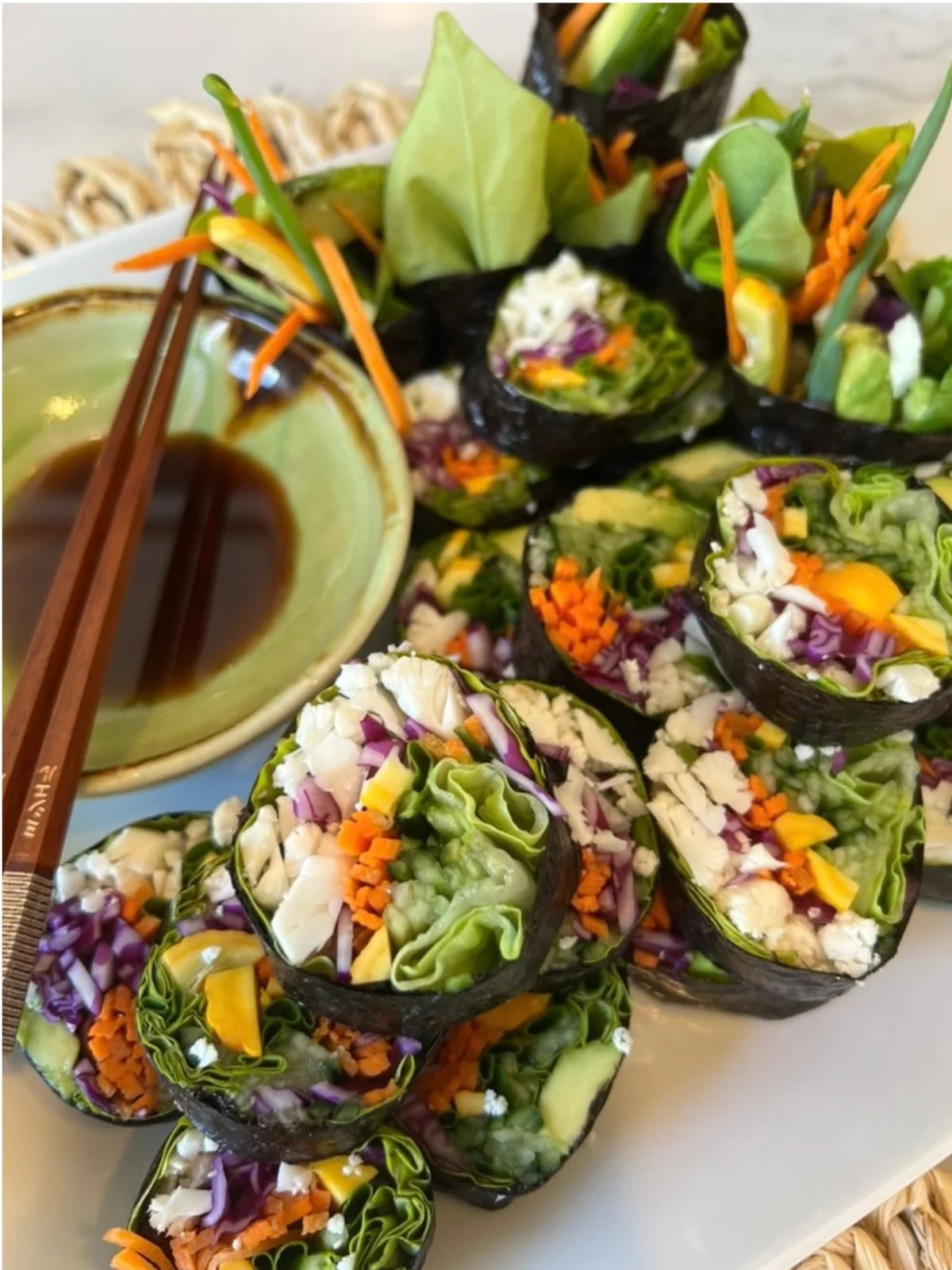
If the weekend is slower, though, I love taking more time with my food. I’ll make a beautiful salad, raw vegan sushi, or something else that feels a little more special. I really do love beautiful food.
Build a Few Default Meals
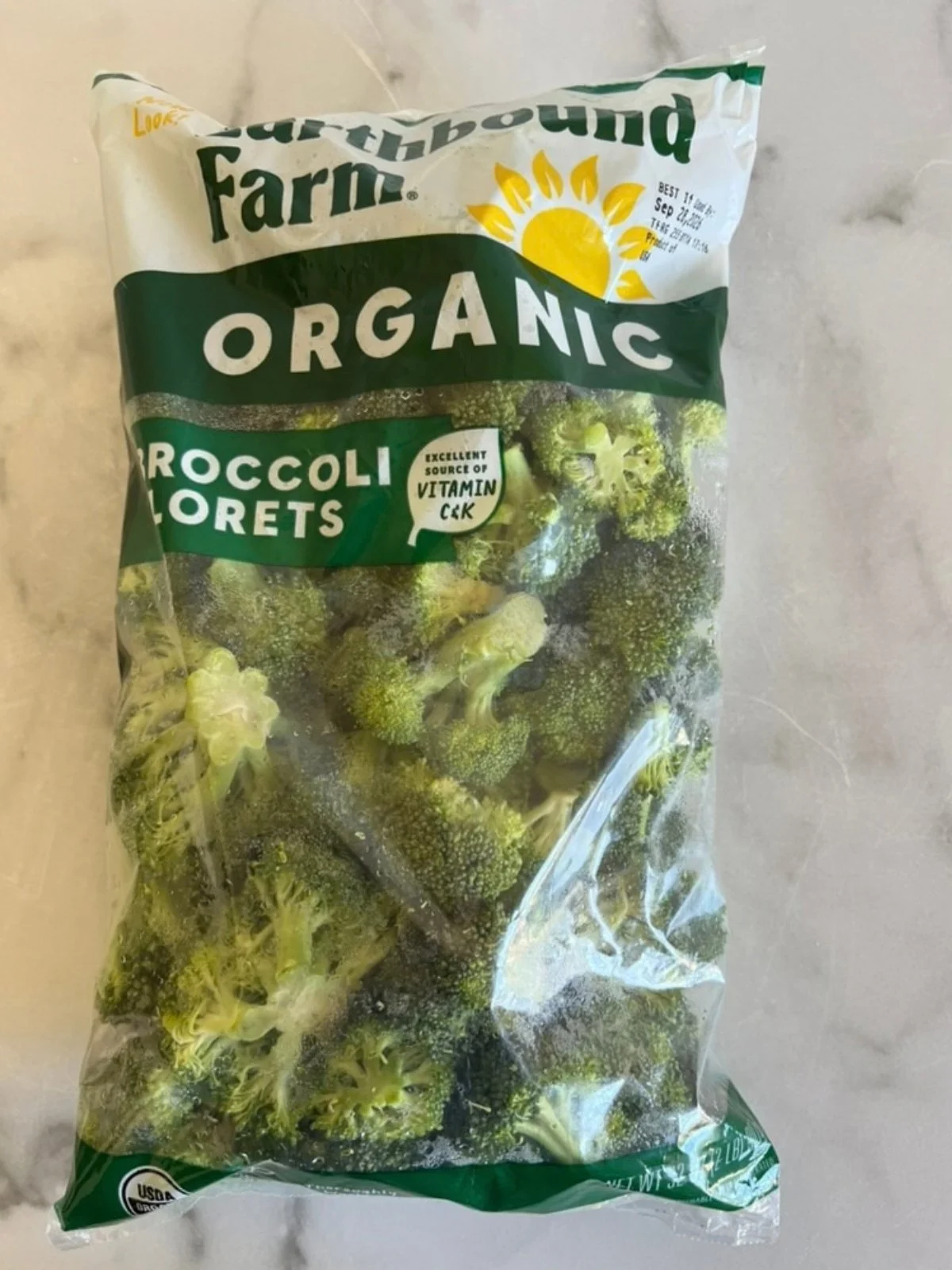
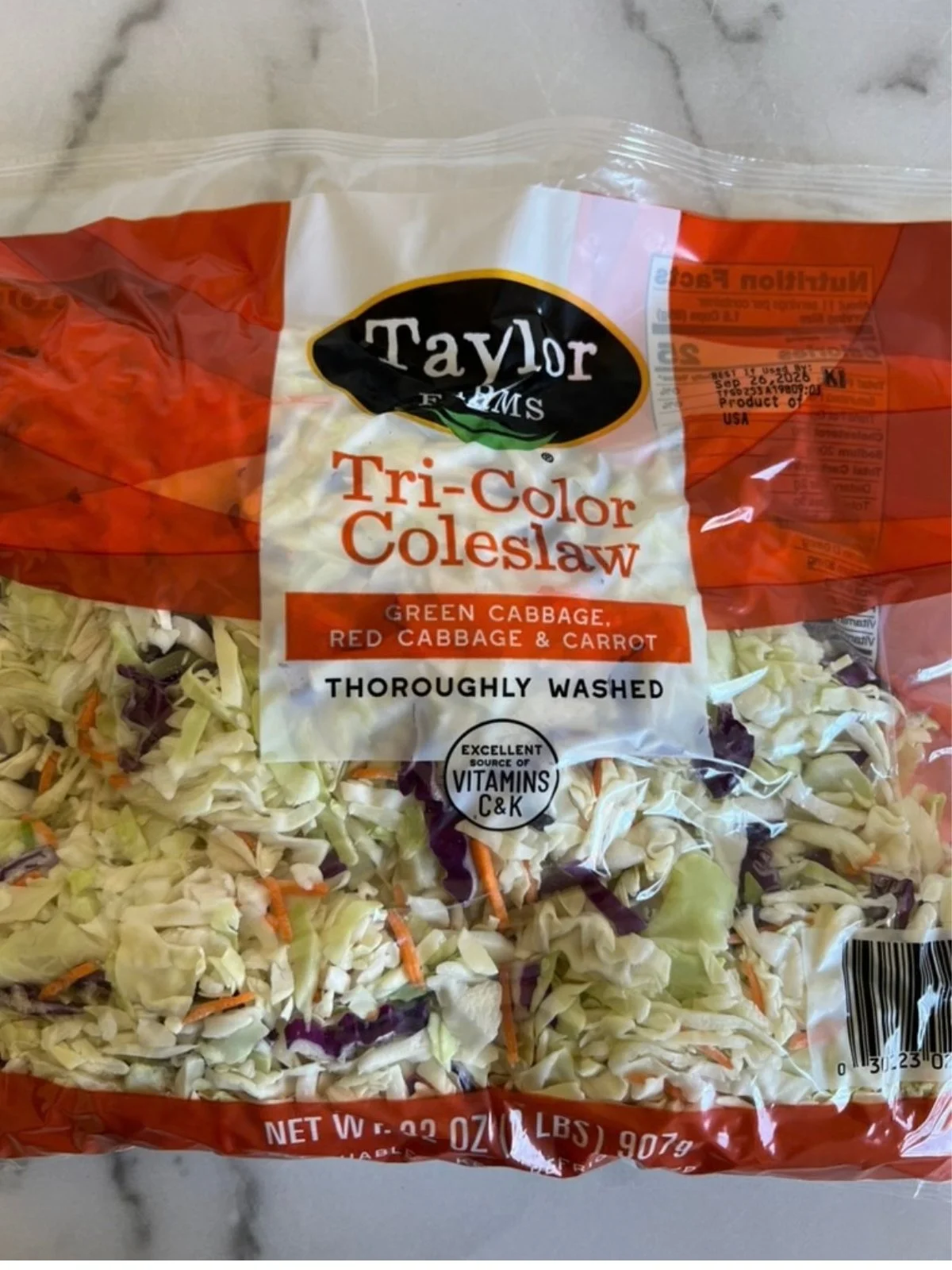
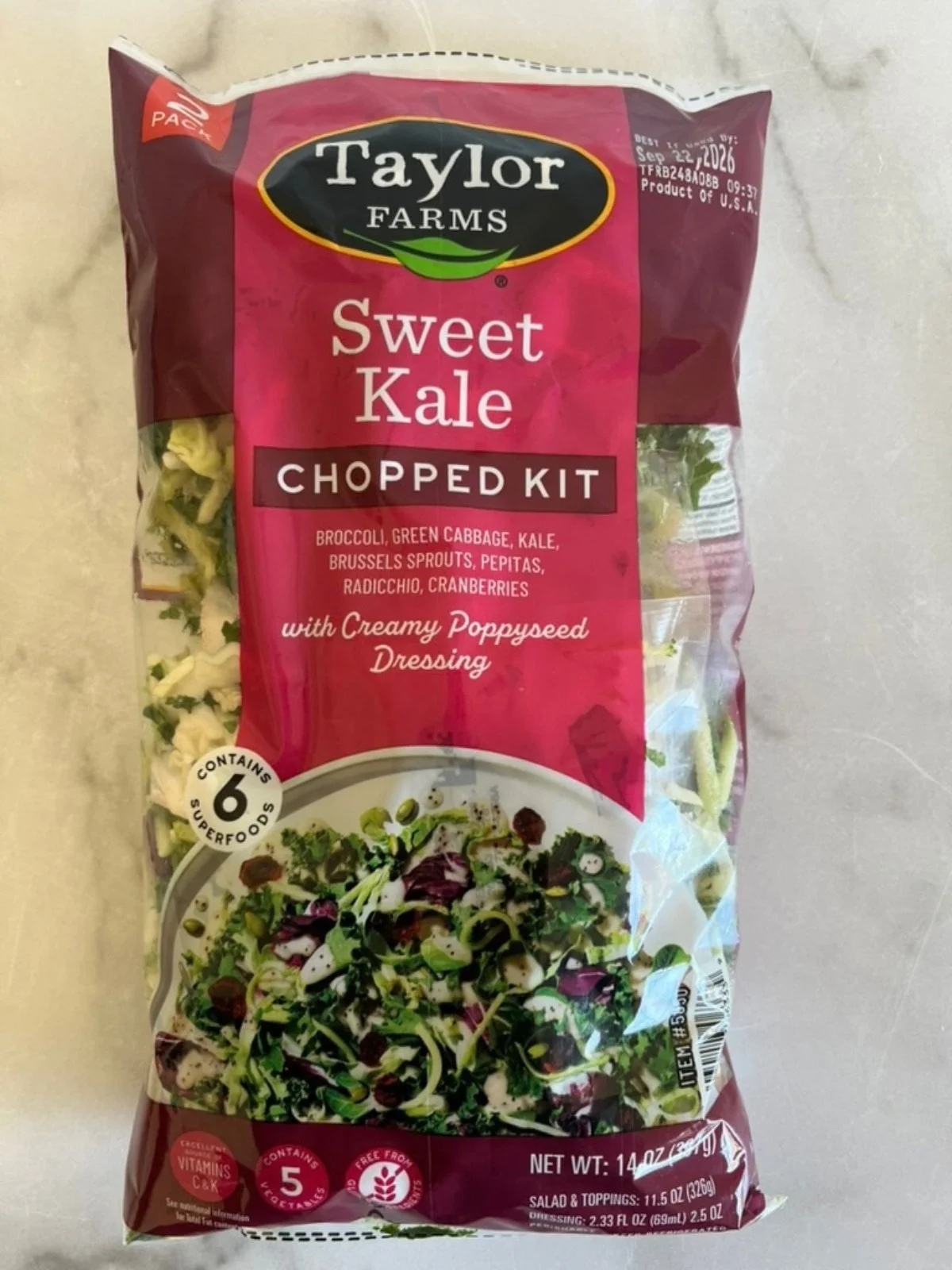
Pre-cut vegetables can be incredibly helpful on busy days, and sometimes surprisingly economical, too. I’ve found that the large bag of broccoli florets from Costco can actually be less expensive than buying whole broccoli elsewhere, and the two-pound bag of shredded cabbage I recently bought was only $1.97.
The chopped kale salad kit pictured here was about $3 for 14 ounces. It comes with dressing and pepitas that I would leave out while following GAIP, but the chopped greens themselves are still a quick, easy starting point for a meal.
I don’t buy this particular salad very often because, for me, the cost is higher than I want to pay for something I can easily put together myself. But for someone who values convenience more than saving every dollar, it could be absolutely worth it.
So I don’t automatically assume pre-cut means more expensive. I compare prices, look at how much I’m getting, and choose whatever makes the most sense for that week. Sometimes convenience and value happen to come in the same bag.
You definitely don’t need a dozen elaborate raw recipes to follow GAIP successfully, but if you enjoy more variety, Dr. Goldner’s recipe book Goodbye Lupus, Hello Delicious has plenty of protocol-friendly ideas.
For me, that might be a big green smoothie, a giant cabbage salad, berries or fruit with freshly ground flax, or a simple plate of raw vegetables with guacamole. If you’re new to the smoothie, my guide How to Make Dr. Brooke Goldner’s Hyper-Nourishing Smoothie walks through exactly what goes into it and how I make it.
Then, when I have more time or feel like experimenting, I can make something different. Having a few default meals takes a lot of pressure off because every meal doesn’t have to become a project.
Simple food is still good food.
Going to Work: Pack More Than You Think You'll Need
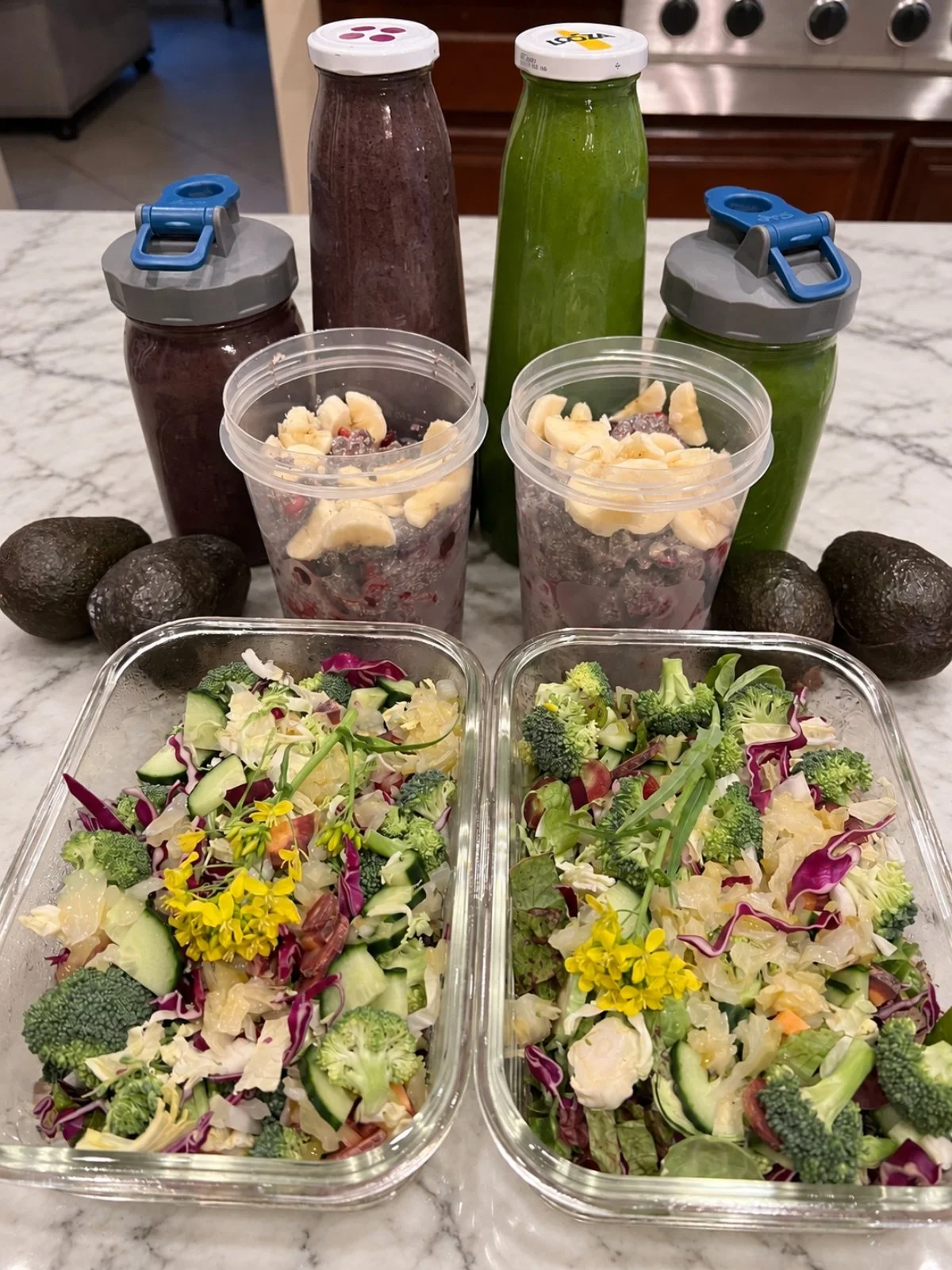
My husband joined me for three of my six weeks of GAIP, and since we work together, we packed the cooler for both of us. This was a typical day: smoothies, chia pudding, big salads, avocados, and plenty of food ready to go.
If you work away from home, a good cooler may become your best friend.
This is not the kind of eating plan where I would take a tiny salad to work and hope it gets me through the day.
Bring enough food.
That may mean a large salad, smoothie, vegetables, fruit, your omega-3 source, and anything else you need to complete the day comfortably.
And I would bring a little extra.
There is a big difference between sitting in the break room feeling satisfied with the beautiful meal you packed and realizing at 2:30 that you are starving and the only thing nearby is a box of donuts someone brought in that morning.
Hunger should not be the moment when you have to figure out your protocol.
Bring Your Water Too
GAIP involves substantial hydration, which means water needs a little planning of its own.
If you are going to be away from home, decide before you leave where that water is coming from.
For a normal workday, that may simply mean bringing a large bottle or jug and refilling it. For a road trip or long day away from home, you may need several bottles.
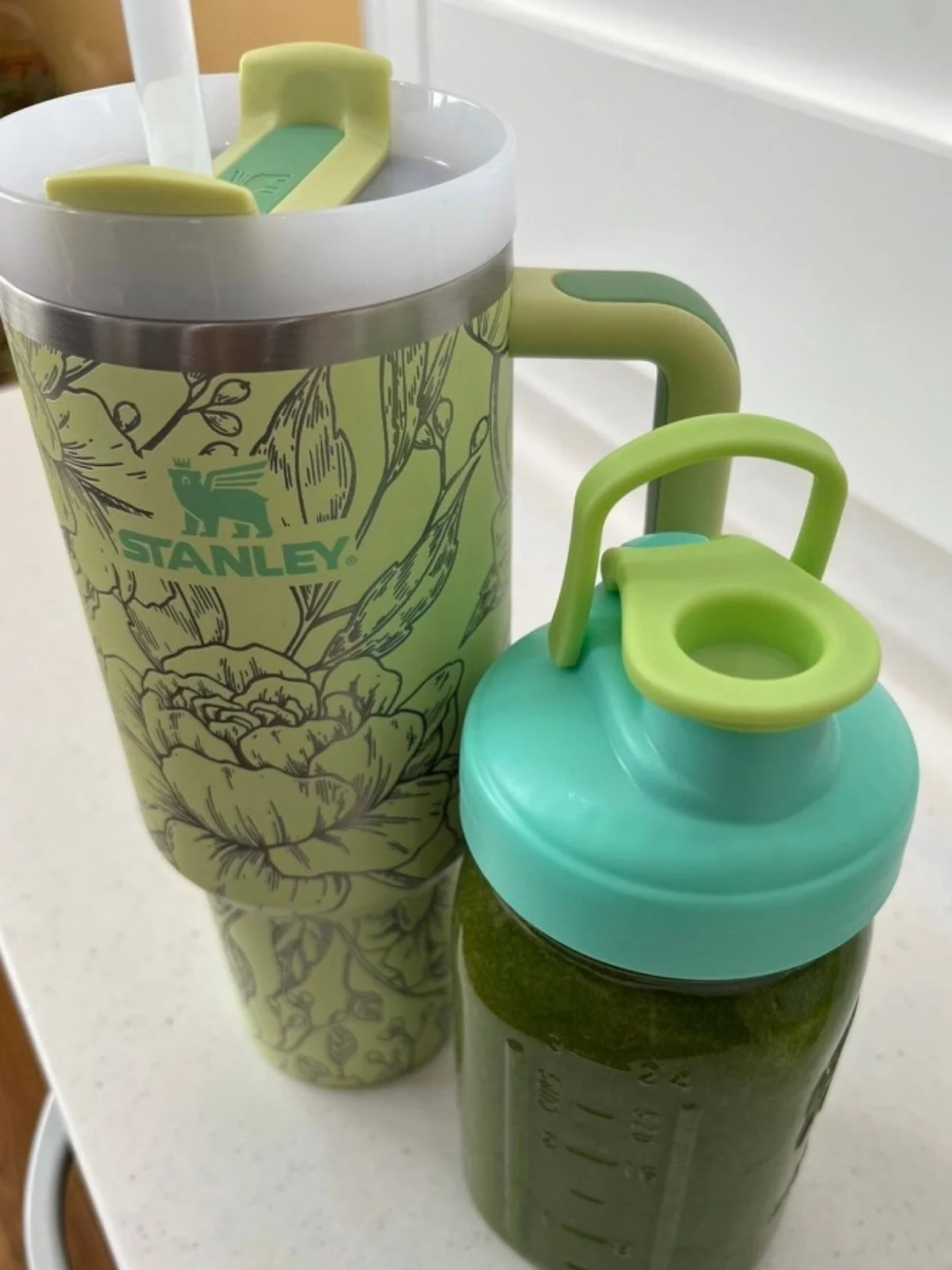
Find a water bottle you genuinely enjoy using and make it easy to keep with you. My husband gave me this as a gift more than two years ago, and I still love it. I love the colors, and the engraved peonies make me happy; I take it to work all the time.
It may sound like a small thing, but having a bottle you actually like can make staying hydrated feel much more automatic.
The exact container doesn’t matter nearly as much as making hydration easy and visible, though.
When my water is sitting next to me, I drink it.
One habit I started during my first time on the protocol was bringing a 32-ounce mason jar of water upstairs with me at night. I drink about 16 ounces when I first wake up, then finish the rest while I’m working out and getting ready for the day. Starting that early makes it much easier for me to stay on top of my water without feeling like I’m trying to catch up later.
Family Gatherings and Holidays
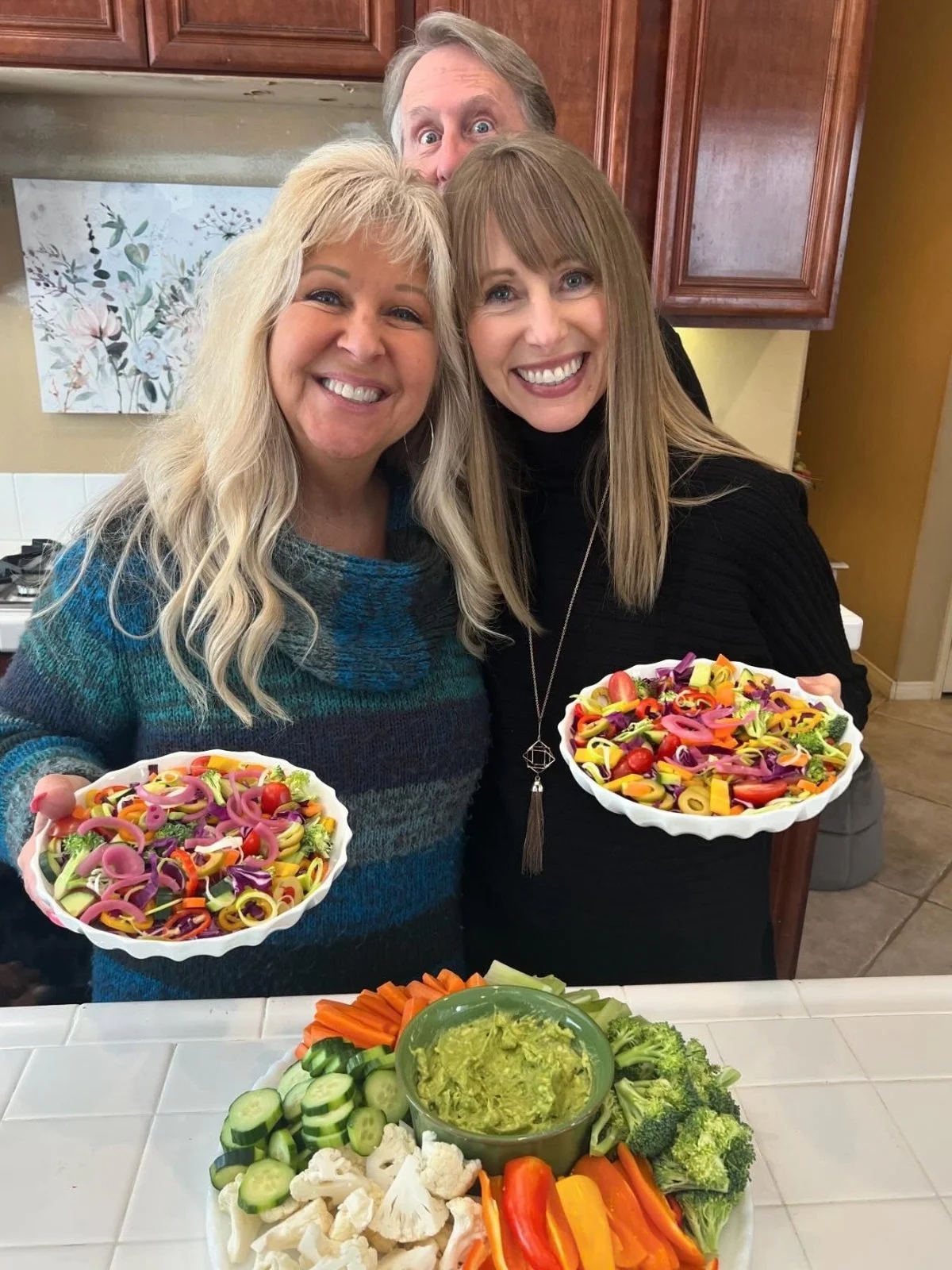
Day 14 of GAIP with my sister at a gathering at my parents’ house. Two big salads, a tray of veggies, and a cute photobomber (my dad!) in the background.
Food and family are deeply connected.
That is part of what makes holidays wonderful.
It can also make following a therapeutic eating protocol interesting.
My favorite approach is simple:
Bring something substantial to eat.
Not a tiny side dish.
Bring real food.
If everyone else is sitting down to a full Thanksgiving dinner, I want enough food on my plate to enjoy the meal and conversation right along with them.
When I went raw, I brought my own food to every family gathering. Most people were fine with it, but my mother-in-law kept making comments about what I was eating. Eventually, I simply told her that I planned to eat this way for at least a year and asked if we could stop discussing my food.
That actually helped.
One time, I joined my sister on the protocol while she was working through some health concerns. This photo was taken on day 14. We had originally planned to do six weeks together, but she felt so good and was so encouraged by the changes she was seeing that she ended up continuing the fully raw protocol for 100 days.
For this family gathering, I brought a big salad for each of us, a platter of vegetables with guacamole, chia pudding, and avocado. It was completely doable, and we enjoyed the gathering right along with everyone else. And yes, that is my adorable dad photobombing us in the background!
Sometimes a simple boundary is enough. Other times, people may keep commenting for a while. You still don’t have to explain or defend your food every time it comes up. A calm, consistent response can take a lot of the energy out of it.
You can make a beautiful cabbage salad, a huge colorful chopped salad, a raw vegetable dish, fruit, or another GAIP-compliant recipe that you genuinely enjoy.
I’ve always loved salads, so for years I’ve been the one who brings a big salad to family gatherings. It works out perfectly—I’m bringing something everyone can enjoy, and I also know there will be at least one substantial dish on the table that works for me.
Sometimes eating something before you go also makes sense, especially when the gathering falls at an awkward time, or you aren’t sure what will be served.
The point is not to make your food the center of the event.
The point is to arrive prepared so that it doesn’t have to be.
Then you can enjoy the people.
What Do You Say When Everyone Has an Opinion?
This one makes me smile because eating differently has a funny way of turning everyone around you into nutrition experts.
You may hear:
“Where are you getting your protein?”
“Isn’t that too much flax?”
“You’re going to lose too much weight.”
“Couldn’t you just have a little?”
Most people who love you are not trying to make your life difficult. They may be curious or genuinely concerned. Sometimes, though, your choices can also make other people think about their own. A change in how you eat can bring up feelings that have very little to do with what is actually on your plate.
Sometimes the reaction can even feel surprisingly personal. I remember my mother-in-law seeming genuinely hurt when I chose not to eat a piece of cheesecake on her birthday. To me, I was simply sticking with the way I had chosen to eat. To her, it may have felt like I was rejecting part of the celebration.
That experience reminded me how much emotion and tradition can be tied to food. You can be kind, appreciative, and fully present without eating something that doesn’t fit the way you’ve chosen to eat.
You also get to decide how much of your health story you want to share.
If you want to tell family and friends that you are on a healing journey and ask for their support, that may feel helpful.
For me, I chose a different approach. I am fairly private, and when I was working on my own health, I did not want to discuss the details. I simply told people that I was experimenting with a very healthy way of eating for a while, said it confidently, and moved on.
Most people were supportive. Some were even encouraged to make healthier choices themselves.
One family member kept making comments for a long time, but it didn’t really bother me. I usually smiled, changed the subject, and went right back to enjoying the gathering.
You do not need to convince everyone.
A simple answer is often enough:
If someone is genuinely interested, wonderful. You can tell them more. If they aren’t, you can smile and go back to your cabbage!
Your plate doesn't require an explanation or a group vote!
When Your Family Isn't Doing GAIP
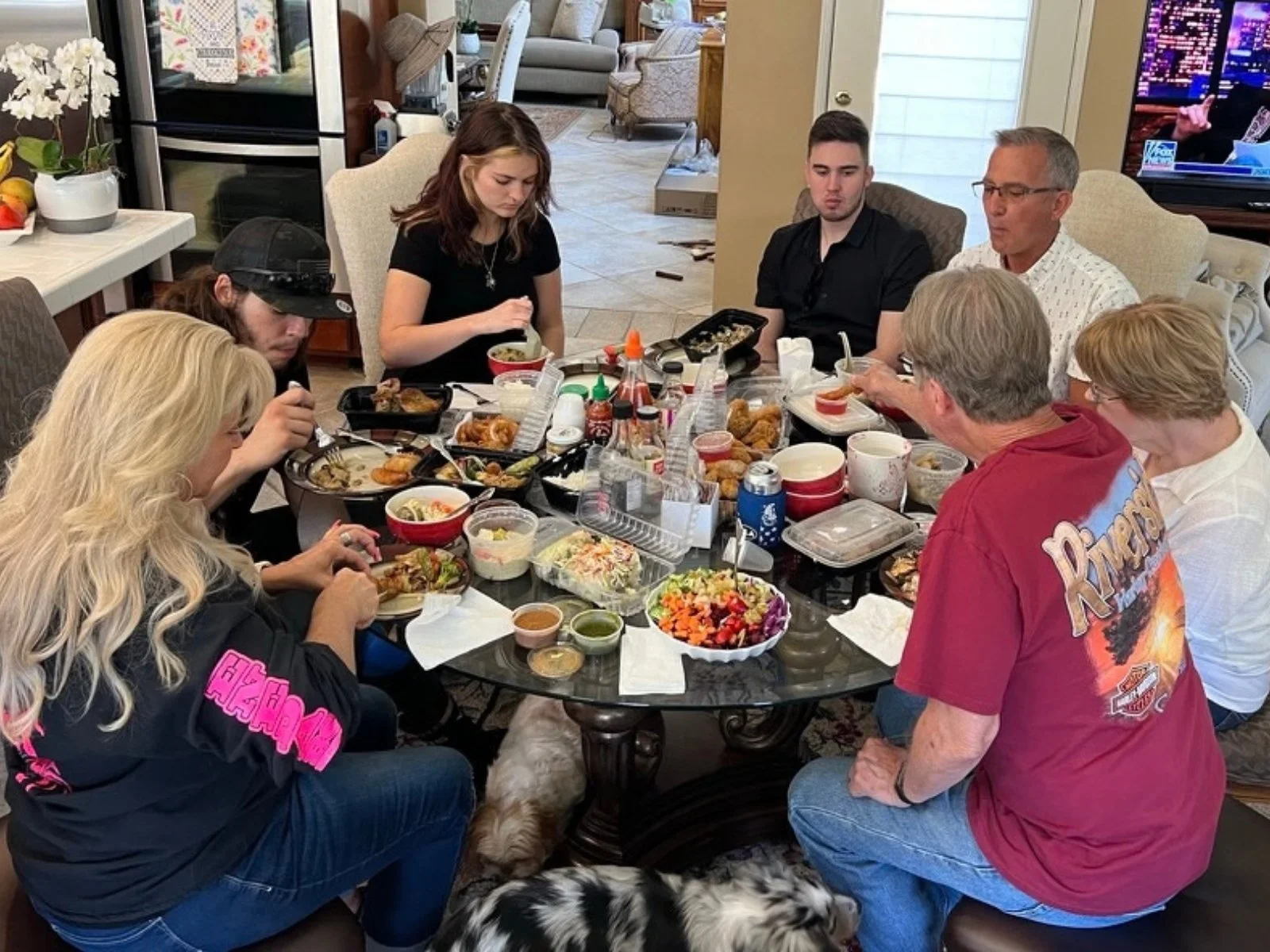
Family gatherings do not have to derail GAIP. While everyone else enjoyed Thai food, I brought my own salad and still fully enjoyed the meal and my family!
For some people, this is one of the hardest parts.
You may be preparing separate food while everyone else continues eating the way they normally do. You may be sitting next to foods you used to love and thinking, I want that too.
This is where Dr. Goldner talks about remembering your why.
The real question is not:
“Do I want this salad or that pizza?”
Of course the pizza may look good.
The better comparison is:
“Do I want this pizza, or do I want the health, energy, strength, freedom, and future I am working toward?”
Maybe your why is having enough energy to travel.
Maybe it is being able to keep up with your children or grandchildren.
Maybe it is getting your life back after years of feeling unwell.
That is the comparison that matters.
Dr. Goldner also encourages people to pay attention to how they talk to themselves about food. Instead of thinking, “I can’t have that,” the idea is to shift toward gratitude: “I can’t believe I get to eat this beautiful, nourishing food that is supporting my body.”
That mindset resonates with me because it is exactly how I felt when I first went raw. I did not experience it as punishment or deprivation. It felt like the grandest adventure. I loved learning new ways to eat, making beautiful food, and seeing what might happen.
Once I started noticing positive changes in how I felt, I got even more excited to keep going.
There is a big difference between thinking:
“I’m not allowed to eat the pizza.”
and thinking:
“I am choosing the food that supports the health and life I want.”
Your family does not have to eat exactly the way you do for you to be successful, but support certainly helps. Ideally, the people closest to you will respect what you are trying to do, even if they aren’t interested in doing it themselves.
If someone repeatedly brings your favorite foods home, puts them in front of you, or pressures you to eat things you have clearly said you are avoiding, that is worth addressing directly.
You do not have to make it dramatic. You may simply need to ask for more support.
Something as simple as: “This is important to me right now, and I’d really appreciate it if you didn’t offer me those foods while I’m doing this.” can be enough.
Restaurants
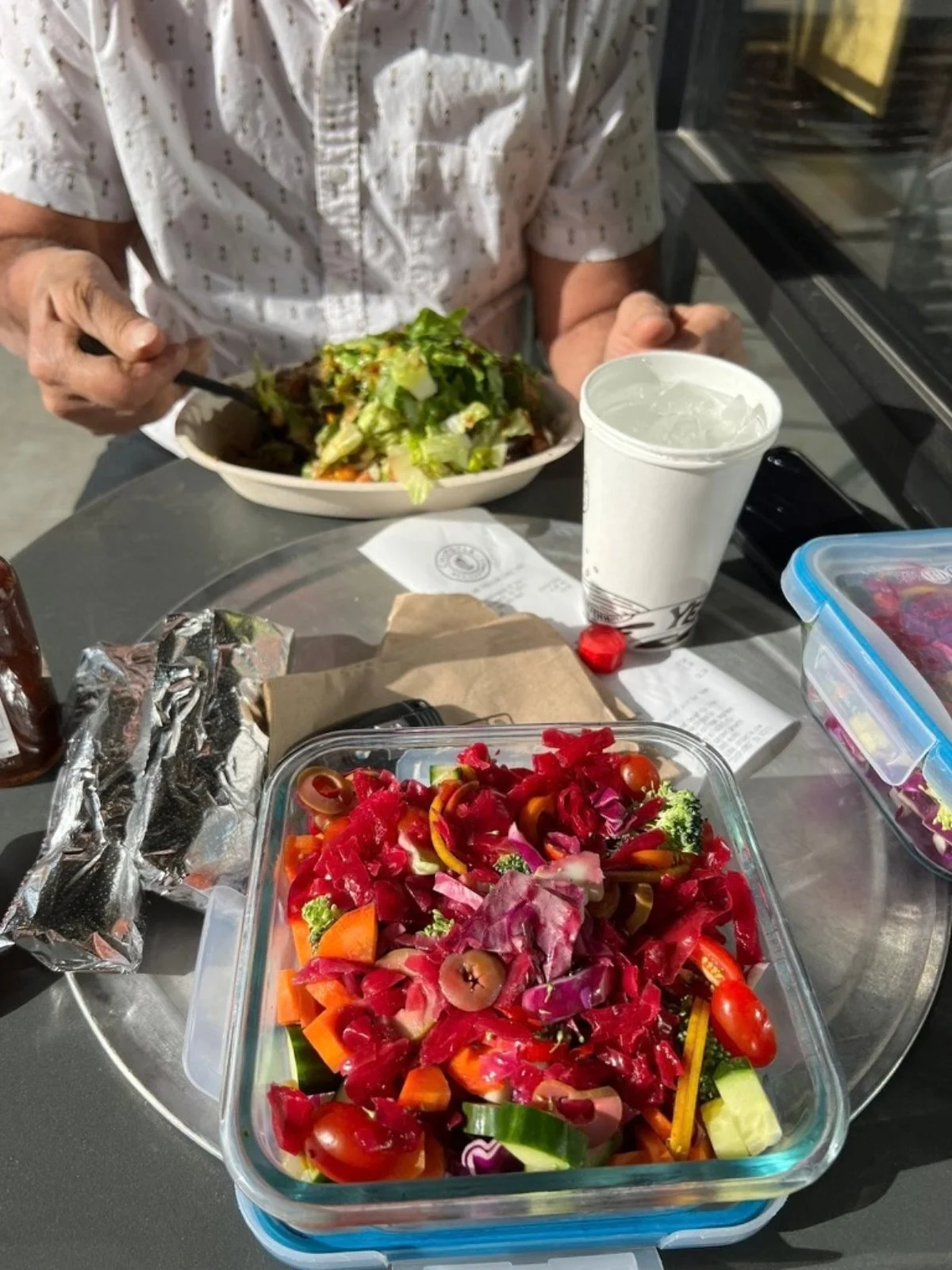
Birthday thrift-shopping day trip to Palm Springs—my salad from home, eaten at Chipotle with my husband.
Restaurants can take a little more creativity during the strict recovery phase, but I’ve found that they are usually much easier to navigate than people expect.
If at all possible, I like to eat before I go. That takes the pressure off immediately because I’m not arriving hungry and hoping the menu will somehow work perfectly.
I also look up the menu online ahead of time. Sometimes there is something simple I can eat as-is, and sometimes I can tell right away that I’ll want to bring part of my meal with me.
Sometimes I simply bring my own food.
Just last weekend, when we were traveling in Oregon for a wedding, my in-laws wanted to stop at Applebee’s after we landed. I still had a huge cabbage salad with me, so I brought it inside in a small tote and told the waitress I was following a special diet. I asked if she minded if I ate the food I had brought.
She said not at all.
I’ve done this many times over the years.
Casual restaurants can be even easier, especially when there is outdoor seating. On my birthday, we took a day trip to Palm Springs to go thrift shopping, and I brought my own salad with me. We stopped somewhere casual to eat, sat outside, and I simply ate the food I had packed.
Another option is to order something very simple from the menu and build it into the meal I want. I might order a plain side salad, then add an avocado I brought with me, some extra broccoli or other vegetables, and my own flax-and-balsamic dressing in a small bottle.
That gives me a meal I actually enjoy without needing the restaurant to recreate the way I eat at home.
In almost nine years of eating this way, I have never had a restaurant make an issue of it.
I do think it helps to be polite, simple, and matter-of-fact. I’m not asking the kitchen to completely redesign the menu. I’m just doing what I need to do so I can enjoy the meal and the people I’m with.
Dr. Brooke has also mentioned many times that she calls the restaurant ahead of time to ask if they can make a raw salad, and she says she gets amazing results; often, her dinner companions comment on how delicious it looks!
And that is really the point.
You can go to the restaurant.
You can sit at the table.
You can enjoy the conversation.
Your food just might look a little different.
Traveling on GAIP
Traveling takes a little more planning, but I’ve found it very doable.
The details change depending on whether I’m flying, driving, or staying somewhere for several days, so I like to think about travel in a few simple categories.
The biggest thing I’ve learned is to plan for the transition. I don’t need to know exactly what I’ll eat every hour of the trip. I just need enough food to get me comfortably from home to my destination, plus a plan for what I’ll do once I arrive.
Flying
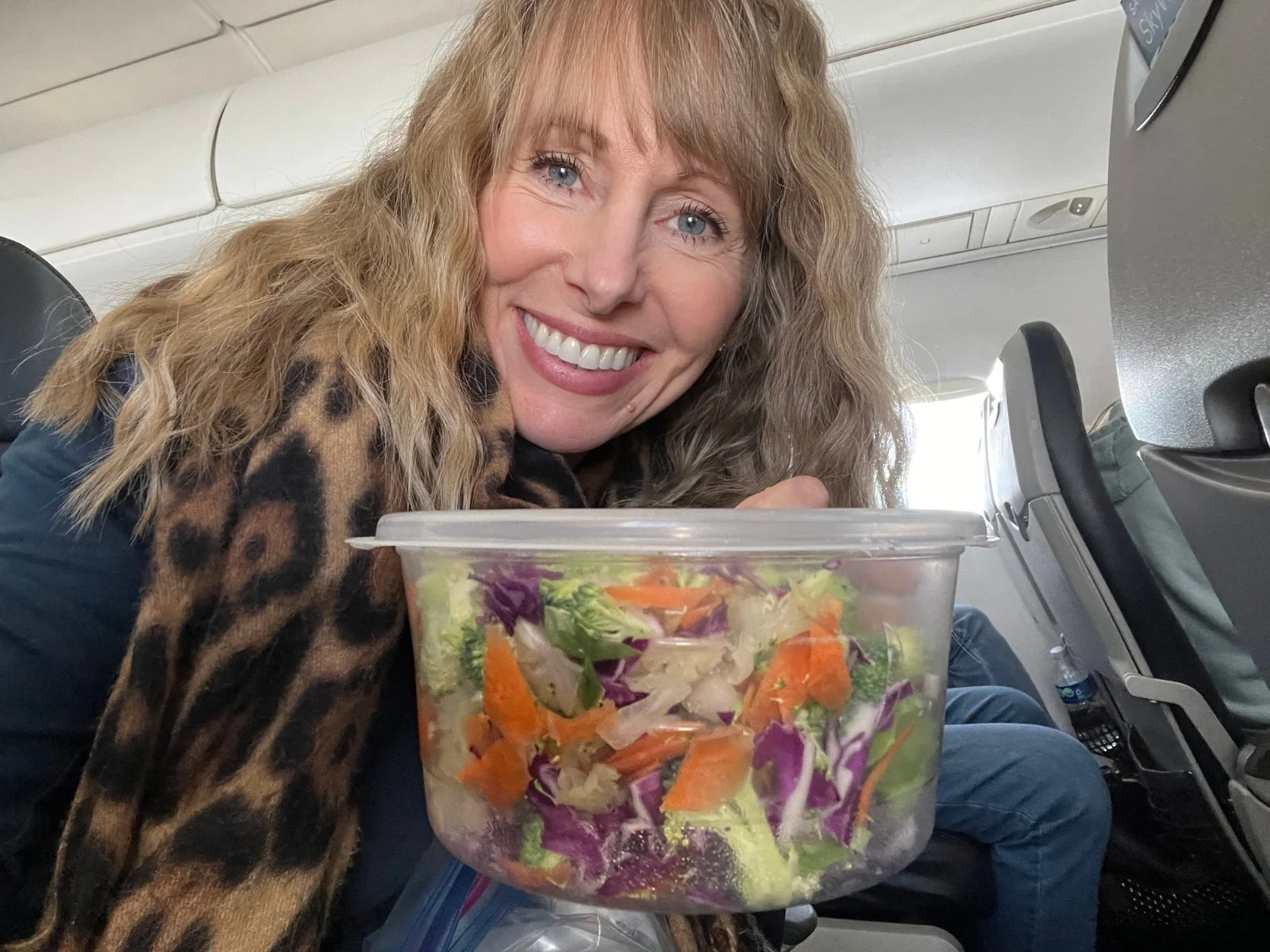
During the final week of one of my GAIP rounds, we flew from Southern California to Oregon for a long wedding weekend.
Before we left, I looked ahead and found a Costco only about eight minutes from the airport. We stopped there before heading to our Airbnb, and with one grocery run I had everything I needed for the weekend.
I left my Vitamix at home because of luggage weight, but I bought a small NutriBullet to take with me. The smoothies weren’t quite as smooth as they are in my Vitamix, but it worked perfectly well for the trip.
For the flight itself, I packed a huge cabbage and vegetable salad with flax dressing, an avocado, and chia pudding in my backpack. TSA pulled my bag for inspection, and everything was fine except the chia pudding. Because of its gel-like consistency and the amount I had packed, it fell under the liquid-and-gel rules.
After that, I changed what I bring through airport security. Now I usually take berries with ground flax instead of chia pudding, along with salads, vegetables, fruit, and whatever else travels easily.
That trip taught me that flying while following GAIP can be surprisingly straightforward. I don’t need my exact kitchen setup or my favorite blender. I just need enough food for the travel day and a plan for what I’ll do when I arrive.
I travel this way because I like feeling well. I want energy for the wedding, the sightseeing, the family time, and whatever else I traveled there to enjoy.
One thing to keep in mind with international travel is that fresh produce can be restricted when entering the United States. Once, returning from Canada, I had a large bag of raw vegetables taken at the border.
That day I simply didn’t have much left to eat.
It was fine.
Sometimes travel days don’t go exactly as planned. I eat what I can, get where I’m going, and pick right back up again.
Road Trips
Road trips are probably the easiest way for me to travel while eating this way because I can bring so much more from home.
I usually pack a cooler with enough food for the drive and some extra for when we arrive. Salads, cut vegetables, fruit, avocados, flax or chia, and plenty of water all travel easily in the car.
I also look ahead for grocery stores along our route or near our destination. There is no reason to pack four days’ worth of fresh produce if I know I can stop and restock.
That has become one of my favorite travel strategies.
A grocery store can become your favorite road-trip restaurant.
Hotels
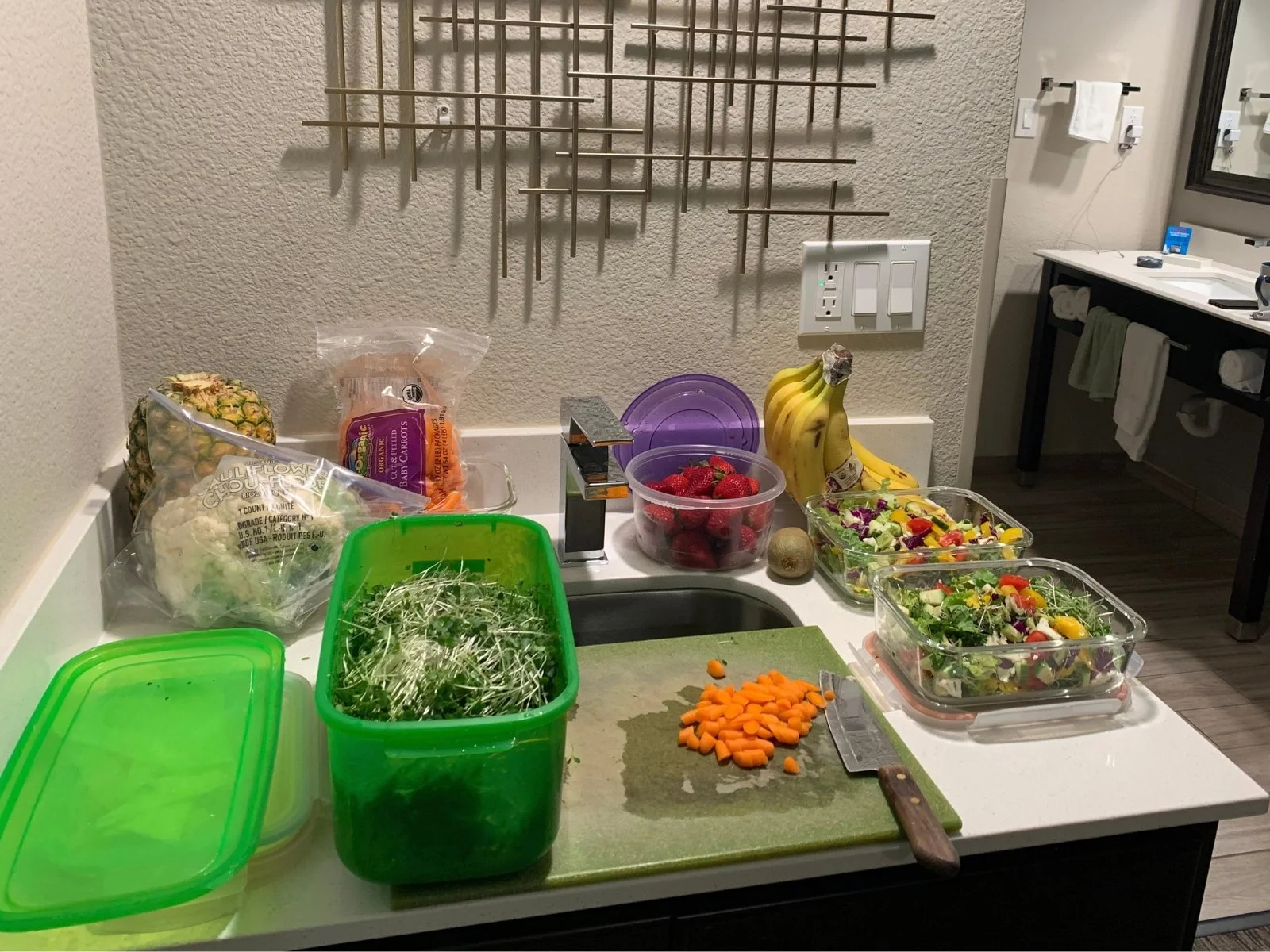
Hotels can work really well for GAIP with a little planning.
The first thing I look for is a room with a refrigerator. Depending on the length of the stay, I will use both my cooler and the fridge. If I can keep produce, salads, fruit, and other foods cold, I can do quite a lot with a very simple setup.
For a four-day trip to Yosemite, we brought a cooler, my Vitamix, my favorite knife, a cutting board, containers, and some food from home. I brought enough food for the whole trip, and once we arrived, I essentially set up a little food-prep area in our hotel room.
That gave me everything I needed to make smoothies, chop vegetables, and put together big salads during the trip.
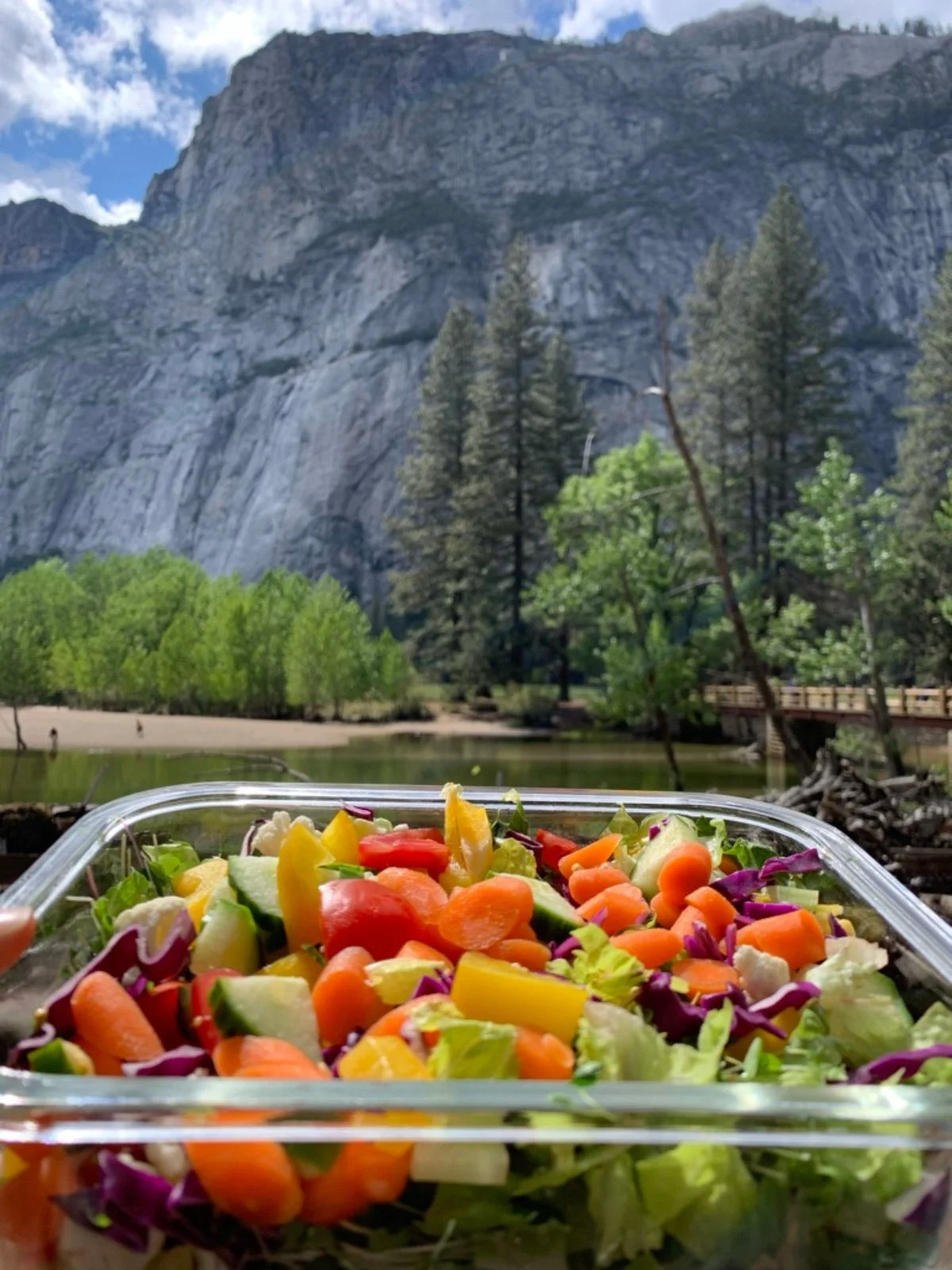
One of my favorite memories from that weekend was sitting outside eating a huge colorful salad with that beautiful Yosemite view in front of me.
That is exactly why I like preparing this way. I’m not spending the trip wondering what I’m going to eat. I already have what I need, I feel good, and I can enjoy where I am.
Airbnbs and Vacation Rentals
Airbnbs usually give you a little more flexibility because you have a kitchen, but I’ve learned not to assume they will have every piece of equipment you want.
If smoothies are an important part of how you plan to follow GAIP, check ahead about the blender.
On our most recent trip to Washington, our Airbnb listing said there was a blender. When we arrived, there wasn’t one. Fortunately, my sister-in-law was driving in from Idaho and had brought her Vitamix “just in case.” We were both very glad she did so we could enjoy our smoothies!
Of course, you don’t have to make smoothies while you travel. You could build your meals around big salads, raw broccoli or cauliflower with guacamole, fruit, flax or chia, and other GAIP foods that don’t require a blender.
I bring a small coffee grinder so I can grind my flax and chia fresh while I’m away. I usually portion the seeds into little bags before I leave, which saves space and means I don’t have to buy full packages once I arrive.
I also always pack my favorite knife in my checked luggage. Vacation rentals are notorious for knives that look like they haven’t been sharpened since the house was built!
I’ve used the same inexpensive knives for more than ten years and genuinely haven’t found one I like better. [I’ll link my favorite knife here.]
A few familiar tools can make an unfamiliar kitchen much easier to use. I don’t need to bring everything from home — just the things that make food prep simple.
What About Weight Loss?
For many people, weight loss is one of the things they’re hoping for when they change the way they eat. But once the weight starts coming off, a different concern can show up: “Am I going to lose too much weight?”
Greens and cruciferous vegetables are a big part of the protocol, but they aren’t the whole picture. Dr. Goldner’s recovery protocol also includes a substantial daily omega-3 source from flax, chia, or the protocol amount of oil, along with fruit and other allowed foods, like unlimited avocados once you meet the required protocol minimums.
If maintaining your weight is important to you, eat enough food. And if you are still hungry, eat more food!
I experienced this myself after changing the way I ate. At one family gathering, my mother-in-law announced in front of everyone that she thought I was getting much too thin. I simply asked if we could not discuss my weight.
That was another reminder for me that other people may have strong opinions about what a healthy body should look like. Their concern may be sincere, but that doesn’t mean you have to make your body a topic of conversation.
Dr. Goldner also talks about the way our sense of “too thin” can be influenced by what we are used to seeing around us. In a population where being overweight is very common, a healthy body size can sometimes look unusually lean by comparison.
This is not a portion-control diet. Leafy greens and cruciferous vegetables provide a lot of volume and nutrition without many calories. Your overall energy intake still matters.
Pay attention to your weight, energy, hunger, strength, and how you feel.
If you are unintentionally losing more weight than you want, that is useful information to respond to.
And if you are following GAIP because you have a significant medical condition, particularly if you are underweight or have other nutritional or medical concerns, this is a good area to discuss with your physician and, when appropriate, with Dr. Goldner’s team.
What About the Cost?
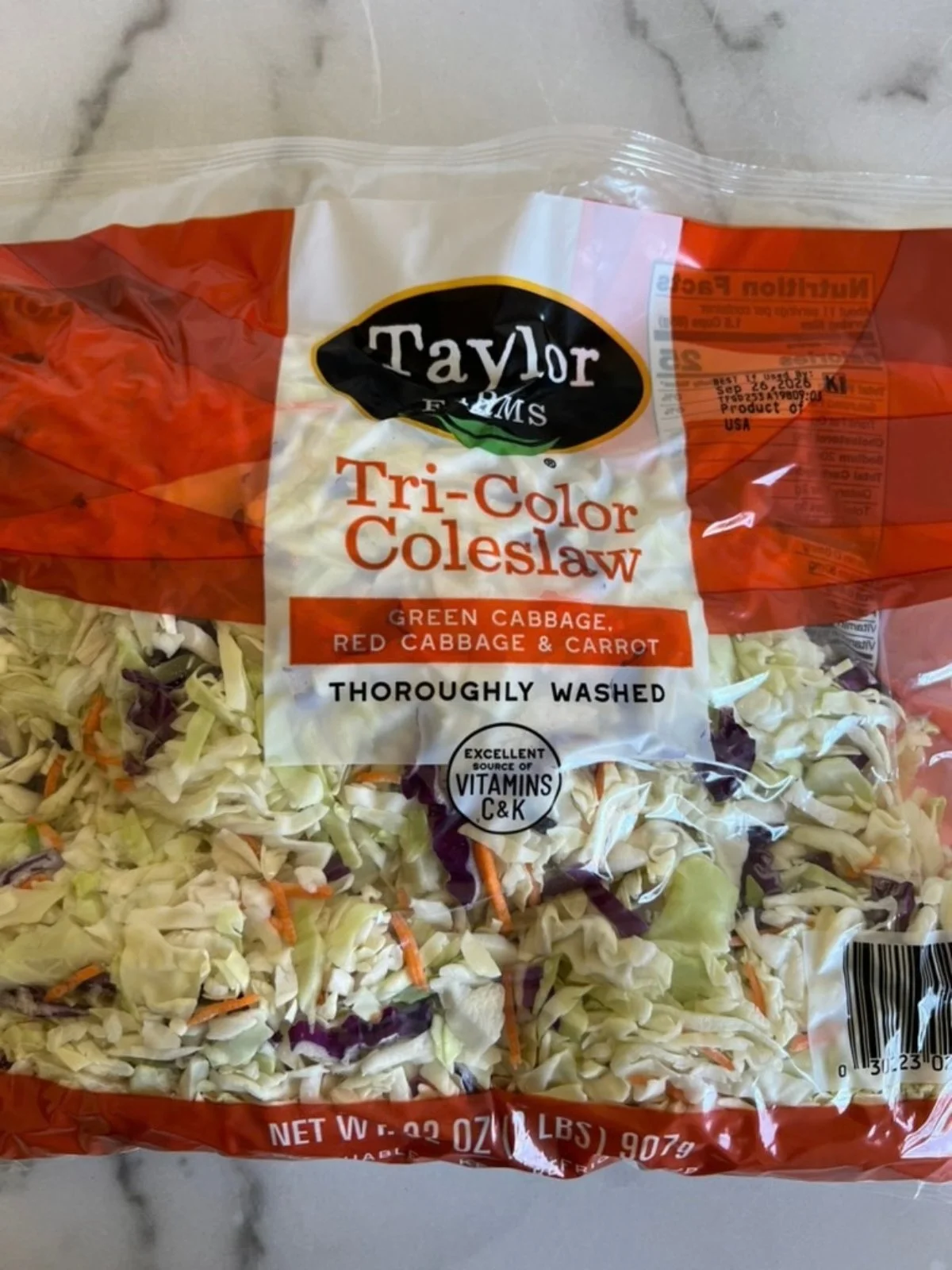
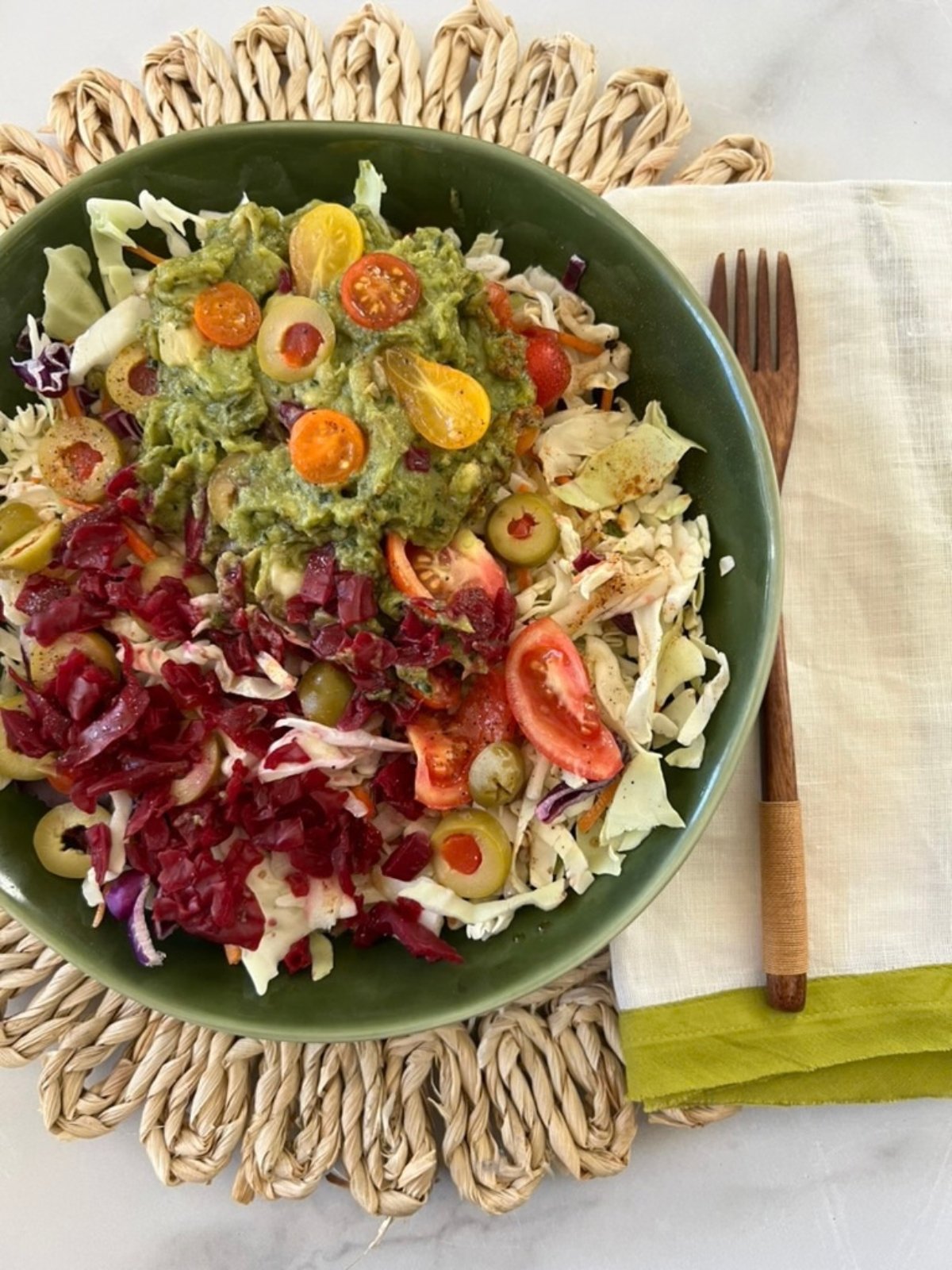
Yes, you are going to buy a lot of produce.
But the more useful question may be: Which foods give me the most volume for my money?
Cabbage is one of my favorites for this reason.
So are greens bought in larger quantities, frozen fruit, seasonal produce and larger packages of foods you know you will use.
This 32-ounce bag of shredded cabbage from Sam’s Club was $1.97. I used half a pound of it for each salad, so the cruciferous base cost about 50 cents per bowl.
It took me less than ten minutes to make lunch for my husband and me—including running out to the garden for a few cherry tomatoes. I added two sliced Spanish queen olives, about 1/4 cup of homemade purple sauerkraut, a generous spoonful of prepared guacamole, and a sprinkle of salt, pepper, and cayenne.
Dr. Goldner mentioned during a recent Wellness Wednesday that her husband often eats cabbage salad with a little cayenne, so of course I had to try it. It was delicious.
This is such a good example of how simple this way of eating can be. The salad came together quickly, tasted great, and the cabbage itself cost very little.
Shop around.
Compare warehouse stores, grocery stores and farmers markets.
Freeze ripe fruit before it goes bad.
Use the cabbage.
Eat the broccoli and kale stems.
Buy the greens you actually enjoy.
A refrigerator overflowing with beautiful produce is wonderful.
A refrigerator overflowing with produce headed for the compost pile is expensive.
Make It Easy to Succeed
That is really the theme of everything in this article.
Put the food in the house.
Wash the greens.
Pack the cooler.
Fill the water bottle.
Bring the salad.
Look up the grocery store.
Feed yourself before the party.
Take enough food.
Make the choice you already decided you wanted to make easier to follow.
There is something surprisingly freeing about that.
For the weeks I follow GAIP, I don’t spend all day thinking about what I should eat.
I already know.
And once I have my food, water and little routines in place, I can get on with living my life.
That, to me, is how you make a healing protocol work in the real world.
You build a life around it that is practical enough to actually live.
FAQ section
Can I travel while following Dr. Brooke Goldner’s Goodbye Autoimmune Protocol?
Yes. I have found that it takes some planning, but it is very doable. I bring food for the travel day, look ahead for grocery stores at my destination, and bring whatever equipment makes sense for the trip. When I fly, I also consider TSA restrictions on liquids and gels.
What can I eat at family gatherings while following GAIP?
I usually bring something substantial that I genuinely enjoy eating, such as a large cabbage salad, colorful chopped salad, vegetables with guacamole, or fruit. That way I can contribute to the meal and know I’ll have plenty of food that works for me.
Do I need to make different GAIP meals every day?
Not at all. I rely heavily on a few default meals. During the workweek, I’m perfectly happy eating a similar cabbage-based salad several days in a row. When I have more time, I enjoy making something more creative.
How do I meal prep for the Goodbye Autoimmune Protocol?
I keep it simple. I often prep several salads at once by weighing cruciferous vegetables into glass containers and adding whatever other vegetables I have on hand. A little preparation can make busy mornings much easier.
What if I lose too much weight on GAIP?
Dr. Goldner emphasizes eating enough food rather than restricting portions. Greens and cruciferous vegetables are only one part of the protocol; fruit and the required omega-3 sources also contribute energy. If weight loss is unintentional or concerning, monitor it and discuss it with an appropriate health professional.
I also recommend listening to Dr. Brooke’s Wellness Wednesdays, where she answers many of the questions you may have, or make a Wellness appointment with her to get help on your journey.
What if my family comments on the way I’m eating?
You do not have to defend every meal. A simple explanation may be enough, and sometimes a kind boundary helps.
If you want to tell family or friends that you are on a healing journey and ask for their support, that is completely fine. Some people may find that helpful.
I am naturally much more private. When I was working on my own health, I chose not to discuss the details. I simply told people that I was experimenting with a very healthy way of eating for a while, said it confidently, and moved on.
Most people were supportive, and some were even inspired to make healthier choices themselves. One family member kept making comments for a long time, but it didn’t bother me. I usually smiled, changed the subject, and went on enjoying the gathering.
You get to decide how much of your health story you want to share. A simple explanation, a request for support, or a quiet boundary can all be perfectly reasonable.