Dr. Brooke Goldner and Protein: Are We Too Obsessed With Getting More?
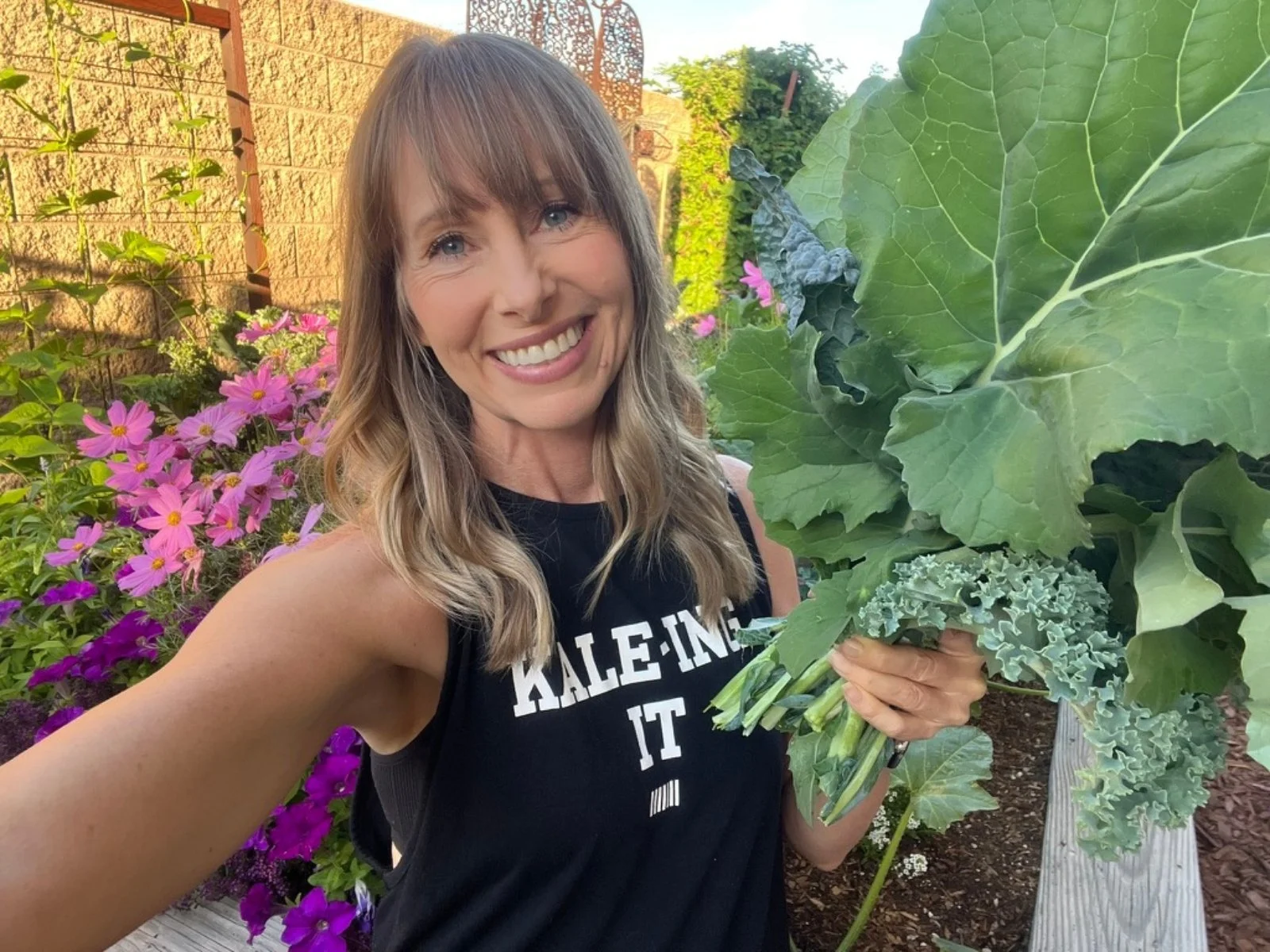
If you’ve looked at Dr. Brooke Goldner’s Goodbye Autoimmune Protocol and wondered where all the protein is, you are definitely not the only one asking. Or maybe you feel perfectly comfortable with the protocol, but everyone around you doesn’t.
Tell someone you’re eating huge amounts of greens and cruciferous vegetables, fruit, flax or chia, but no beans, lentils, tofu, meat, eggs or protein powder during the intensive healing phase, and there’s a pretty good chance someone will ask:
“But where are you getting your protein?”
Protein has become such a big part of the health conversation that it's hard to imagine a healing diet that isn’t built around getting more of it.
That is one of the things that makes Dr. Brooke Goldner’s approach so interesting.
Her intensive healing protocol doesn’t center around protein. It centers around the foods she believes give the body large amounts of the nutrients it needs to repair: dark leafy greens and cruciferous vegetables, omega-3-rich seeds, and plenty of water.
So what about protein?
Let’s talk about it.
First, Dr. Brooke Goldner Is Not Anti-Protein
I think this is important to clear up right away.
Dr. Goldner isn’t saying protein doesn’t matter. Protein is essential. Our bodies use amino acids to build and repair tissue, make enzymes and hormones, support the immune system and maintain muscle, among many other things.
Her approach is simply very different from the protein-centered way many of us have been taught to think about food.
And her intensive healing protocol is also different from the way she eats long term.
Dr. Brooke eats a high-raw whole-food plant-based diet and has talked many times about enjoying foods like tofu and beans. Those foods aren’t removed from the healing protocol because she believes they are unhealthy.
They are removed because the Goodbye Autoimmune Protocol is meant to be a very specific, intensive phase.
Over years of working with people in her programs, Dr. Goldner has said that she began seeing faster results when the healing protocol became completely raw. That eventually led to the more intensive version she teaches today.
That distinction matters.
Leaving a food out of a therapeutic protocol doesn’t automatically make it a bad food.
Beans, lentils, tofu, whole grains, and cooked vegetables can all fit in a healthy plant-based diet. They just aren’t part of this particular phase of Dr. Goldner’s protocol.
But Where Does the Protein Come From on GAIP?
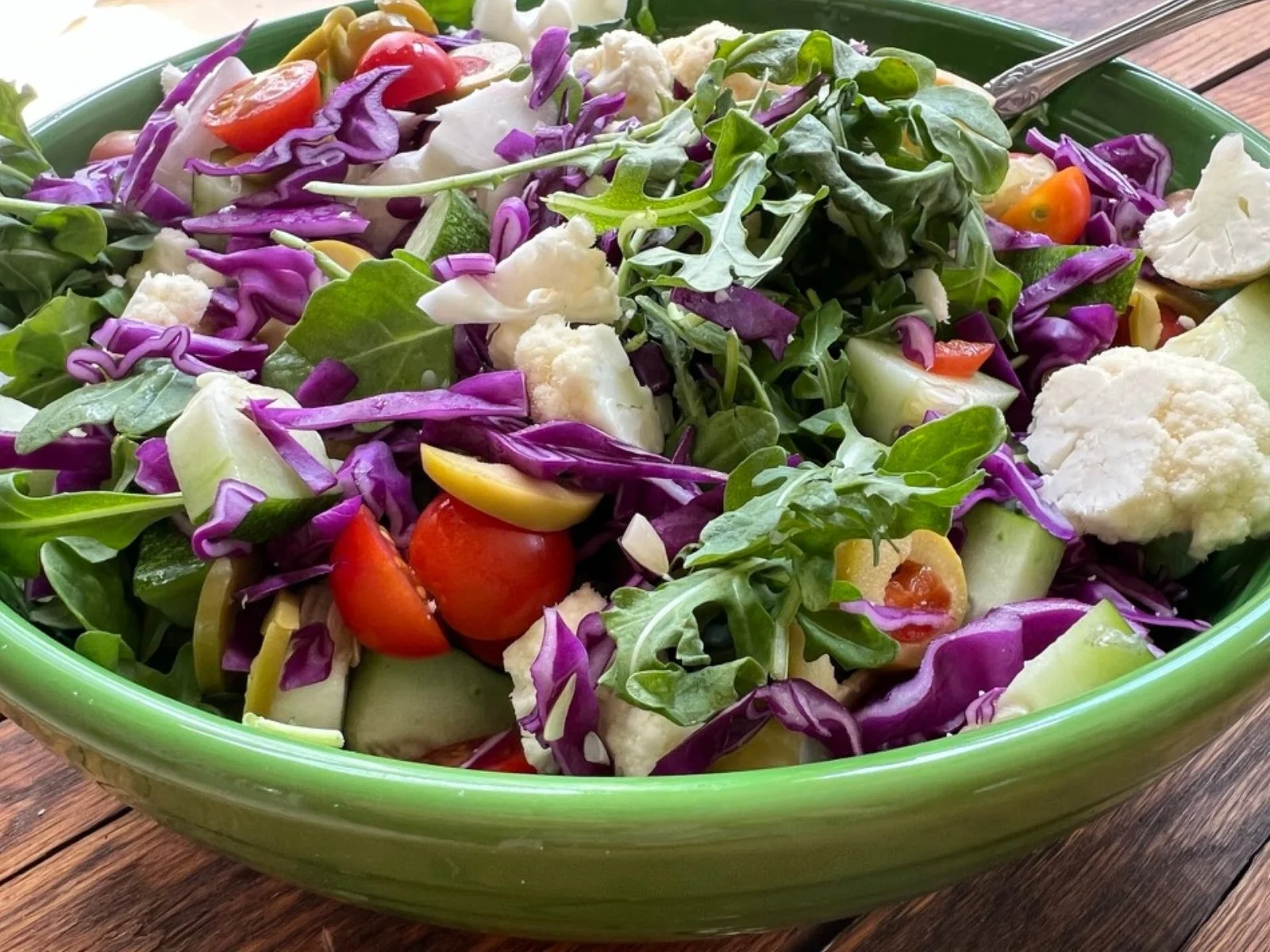
This is probably the first question people want answered.
Plants contain protein.
Dark leafy greens contain protein. Cruciferous vegetables contain protein. Flax and chia contain protein. Even fruit contributes small amounts.
Of course, not all plant foods are equally protein-rich, and someone eating GAIP won’t get the same amount of protein from a giant salad as from a block of tofu.
But that isn’t really what the protocol is trying to accomplish.
GAIP is a short-term, highly specific healing protocol built around getting very large amounts of greens and cruciferous vegetables, omega-3 fats, and water into the diet. When someone eats an adequate amount of food overall, protein comes in from those foods too.
This is also where I think we need a little balance in the conversation.
Saying “protein is important” is true.
Saying “therefore everyone needs to continually push protein intake higher” is a completely different statement.
Those two ideas have somehow gotten mixed together.
We Have Become Really Focused on Protein
Walk through almost any grocery store right now, and you’ll see it everywhere.
High-protein cereal. High-protein yogurt. Protein bars. Protein chips. Protein coffee. Protein shakes. Protein cookies.
People are adding protein powder to foods that already contain protein because getting more has almost become a health goal by itself.
Meanwhile, how many people are wondering whether they got enough cruciferous vegetables today?
Or enough leafy greens?
Fiber?
Omega-3 fats?
Phytonutrients?
A wide variety of plants?
This is one reason Dr. Brooke’s work caught my attention in the first place. She shifts the question.
Instead of asking only, “How much protein am I getting?” she asks what the cells need to function well and then focuses heavily on supplying those nutrients.
That doesn’t make protein unimportant. It just puts it back into a much bigger nutritional picture.
What About Complete Protein and Amino Acids?
Another common concern is that plant foods don’t contain all the amino acids we need.
That idea has hung around for a long time.
Plant foods contain all nine essential amino acids, although individual foods contain them in different proportions. You don’t have to carefully combine rice and beans at the same meal to create a “complete protein.”
Your body maintains an amino-acid pool and uses amino acids from the different foods you eat throughout the day.
That doesn’t mean every diet automatically provides enough protein. Someone eating too few calories or a very restrictive diet can absolutely fall short.
But it does mean we can stop looking at every individual plant food and asking whether it behaves like a chicken breast.
That was never the requirement.
What About Protein, Muscle and Aging?
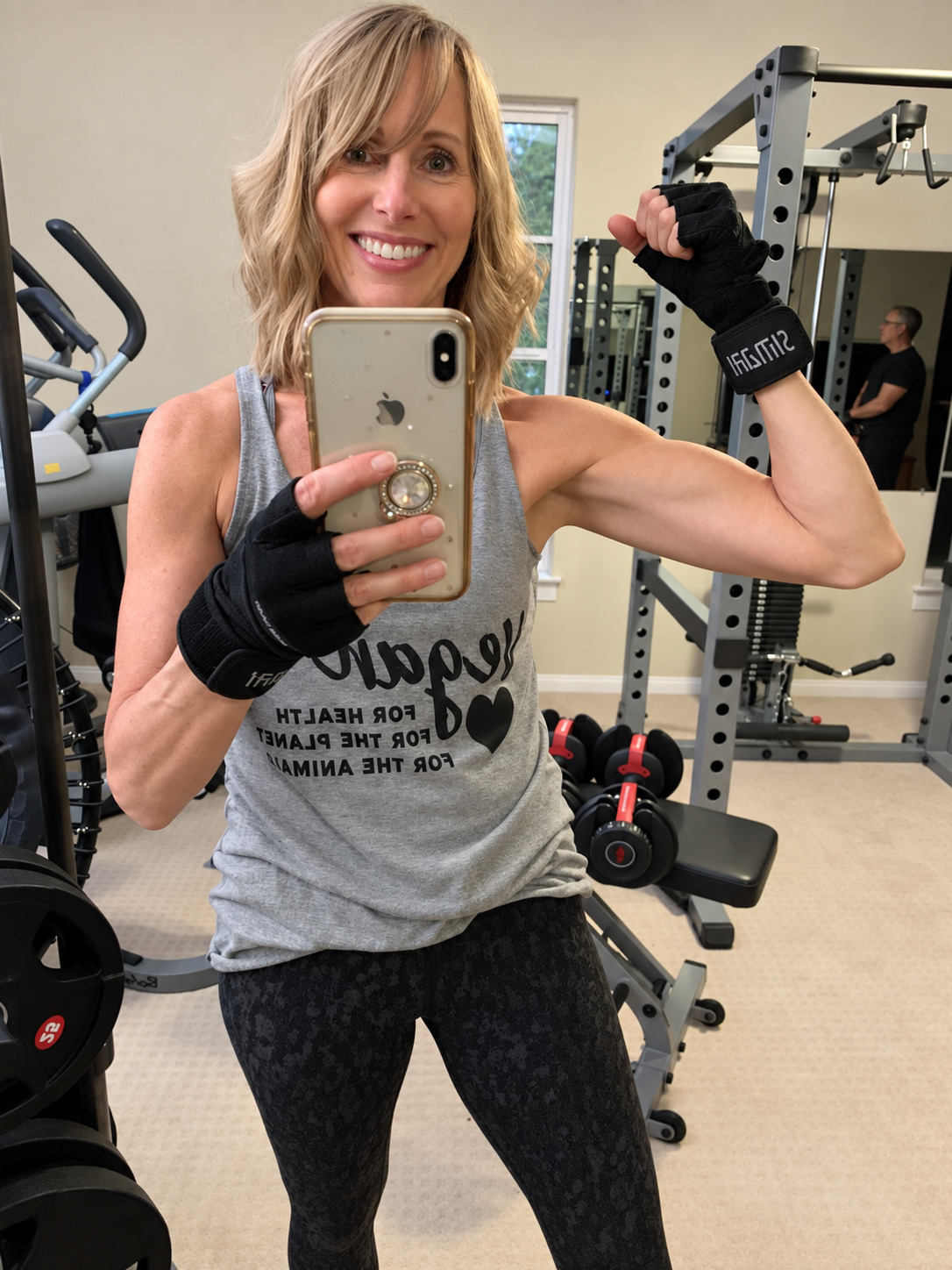
At 55, I think strength training is an important part of healthy aging.
This is where I think the protein discussion becomes much more interesting.
I’m 55. I lift weights. Staying strong as I get older matters to me, so I’m genuinely interested in what the research says about protein and muscle.
There is good reason to pay attention to muscle as we age.
The current U.S. Recommended Dietary Allowance for protein is 0.8 grams per kilogram of body weight per day for adults. Some researchers studying older adults believe needs may be higher, and several expert groups have suggested amounts closer to 1.0–1.2 grams per kilogram for healthy older adults, particularly when preserving muscle is the goal.
So I don’t think the answer is to swing the pendulum in the opposite direction and act like protein doesn’t matter.
What I do think is interesting is how quickly the conversation jumps from “older adults need to preserve muscle” to “everyone needs enormous amounts of protein.”
Those aren’t the same thing either.
Protein is one piece of maintaining muscle.
Actually using our muscles is another very big piece.
Resistance training gives the body a reason to keep muscle. Protein provides the amino acids needed to maintain and build tissue. Overall nutrition, adequate calories, sleep and recovery matter too.
I would much rather think about all of those things together than chase a protein number while ignoring everything else.
Can You Build Muscle Eating Plants?
Yes.
Research comparing plant and animal proteins gets more nuanced depending on exactly what is being studied. Some studies find advantages for certain animal proteins when researchers look specifically at the immediate muscle-protein-synthesis response, particularly in older adults. Animal proteins tend to contain more leucine and often have a higher concentration of essential amino acids per serving.
That is worth knowing.
But that doesn't mean plant protein cannot support muscle.
Studies on longer-term resistance training show that people can gain muscle and strength while eating plant protein, especially when overall protein intake is adequate.
This is one reason I don’t love oversimplified arguments from either side.
I don’t need plant protein to “beat” animal protein in every laboratory measurement for me to feel comfortable eating plants.
I want to know whether I can nourish my body, maintain muscle, stay strong, and support my long-term health eating this way.
That question is much more useful to me.
My Own Experience With Protein and Raw Food
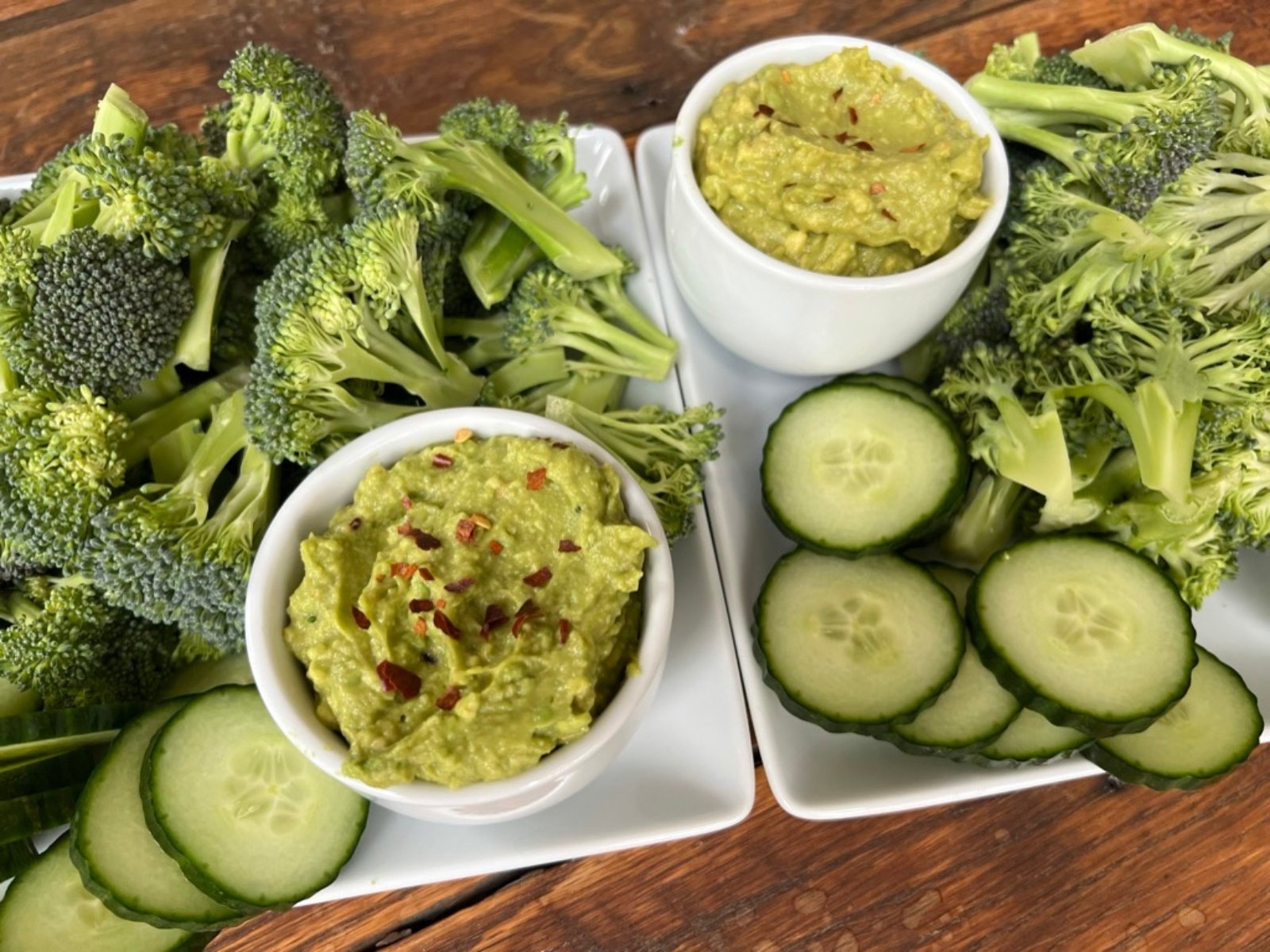
A simple raw GAIP meal: broccoli, cucumber and guacamole. The second plate is for my husband, who also hyper-nourishes.
By the time I discovered Dr. Brooke Goldner, I wasn't worried about protein.
I had already spent roughly three and a half years eating completely raw, and I’ve continued eating high raw ever since. Altogether, that’s now almost nine years of eating raw or high raw.
During those years, I followed plenty of successful long-term raw vegans, exercised, and lifted weights. I looked defined. I felt strong. For most of that time, I felt happy, healthy, and grateful for how good I felt.
So when I found Dr. Brooke’s work, I didn’t look at the protocol and think, But where is my protein?
I had already answered that question for myself years earlier.
What interested me about her work was something completely different.
It was the amount of greens.
The cruciferous vegetables.
The omega-3 fats.
The water.
Dr. Brooke’s green smoothies were what made eating that amount of greens feel surprisingly doable to me.
And the idea of deliberately flooding the diet with foods most of us probably don’t eat nearly enough of.
That was new to me.
I had eaten raw food for years, but I had never eaten anything close to a pound of greens and cruciferous vegetables every day.
That changed the way I looked at my diet.
“But My Doctor Says I Need More Protein”
This can get tricky, especially when someone is using Dr. Brooke’s protocol because they are dealing with a serious health condition.
Family members worry.
Friends have opinions.
Doctors may give completely different dietary advice.
And everybody usually believes they are trying to help.
One thing I appreciate about Dr. Brooke’s approach is her encouragement to decide whose plan you are actually following.
If you have chosen to follow a specific nutrition protocol, it becomes nearly impossible to follow that protocol while also trying to incorporate every conflicting piece of nutrition advice you hear.
That doesn’t mean ignoring your physician or refusing appropriate medical care. Dr. Goldner tells people to keep working with their doctors and makes it clear that her nutrition programs are not a replacement for medical treatment.
But you also don’t need to turn every meal into a debate with your cousin, neighbor, coworker, or well-meaning friend about whether your salad contains enough protein.
You can listen, smile, and keep learning.
You don’t have to convince everyone else before you can make a thoughtful choice for yourself.
What About Protein During the Intensive Healing Phase?
Context matters here, too.
GAIP is not necessarily what someone will eat forever.
Dr. Brooke’s intensive protocol is intentionally narrow. It removes foods she normally considers healthy because her goal during that period is different from everyday maintenance eating.
That’s the difference I explore more fully in my article on healthy foods versus healing foods.
That means I wouldn’t take the protein intake of someone on a short-term healing protocol and automatically use it as my recommendation for everyone, at every age and activity level, for the rest of their life.
Those are different questions.
Once someone moves out of the intensive phase, a broader whole-food, plant-based diet can include more concentrated sources of plant protein, such as beans, lentils, and tofu.
And someone who is older, highly active, pregnant, recovering from illness, underweight, or dealing with another medical condition may have different nutritional needs that deserve individual attention.
There is room for nuance here.
Maybe Protein Isn’t the Only Question We Should Be Asking
I find the human body endlessly fascinating.
The more I learn about nutrition, the less interested I am in reducing health to one nutrient.
Protein matters.
So do essential fats.
So does fiber.
So do vitamins, minerals, antioxidants and thousands of compounds in plants that we are still learning about.
So does movement.
So does sleep.
And yes, so does eating enough food.
When I look at Dr. Brooke Goldner’s protocol, what stands out to me isn’t that it ignores protein.
It asks us to pay attention to foods that usually get far less attention.
A pound of leafy greens and cruciferous vegetables is a lot of food.
Half a cup of chia or flax during the healing protocol is a lot of omega-3-rich seed.
96 ounces of water is a lot of hydration.
Whether someone chooses to follow GAIP or not, I think there is something worth considering in that shift of focus.
Maybe instead of continually asking:
“How can I get more protein?”
we could sometimes ask:
“What am I not getting enough of?”
More greens?
More cruciferous vegetables?
More fiber?
More whole plant foods?
More variety?
For many people, that may be the much more interesting question.
The Bottom Line
For some real-life context, I logged one of my own raw GAIP days to see where the numbers landed.
At 120 pounds, that 63 grams falls within the range commonly suggested for healthy aging — without protein powder or a concentrated protein food.
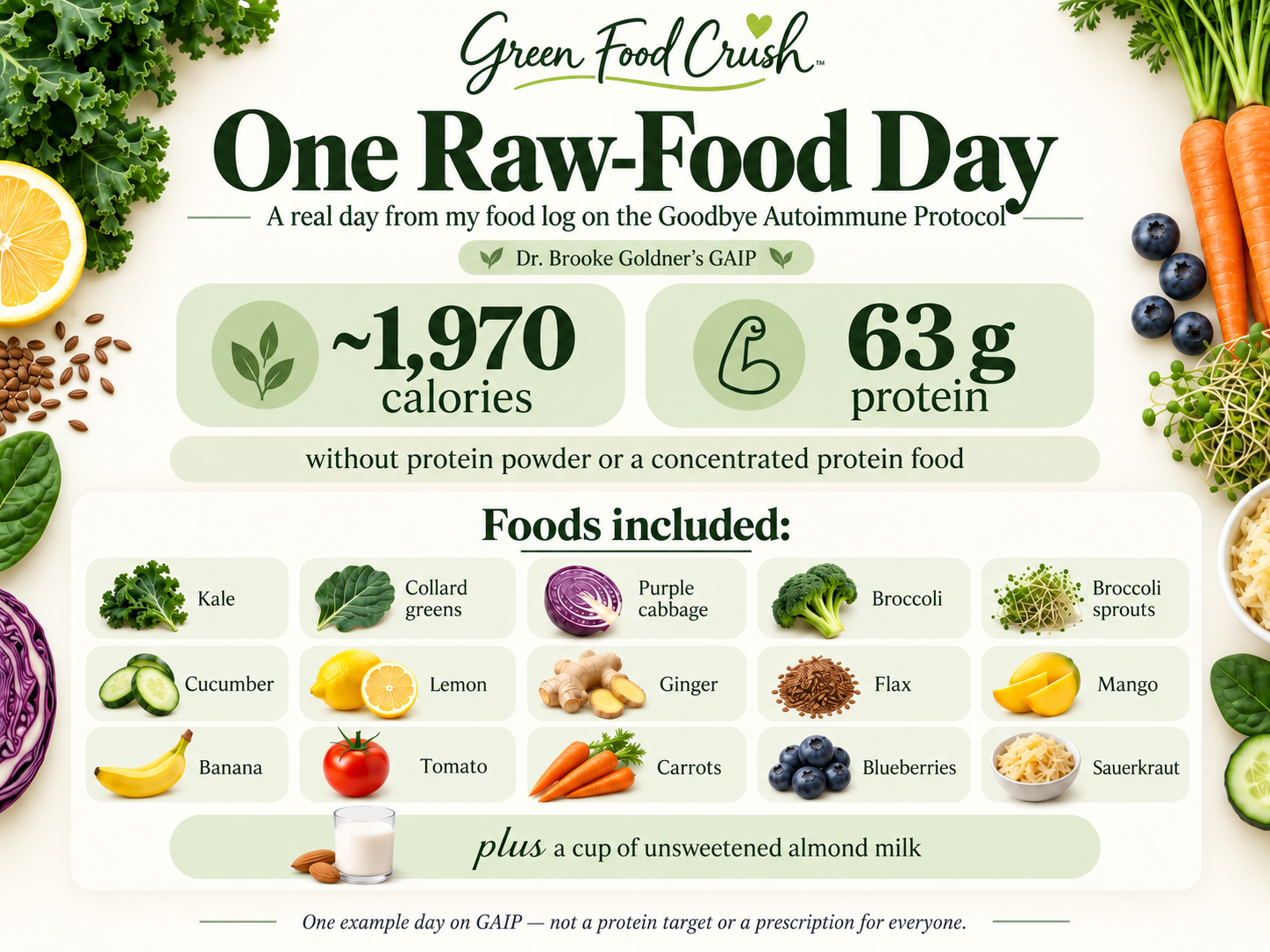
Protein is essential, and maintaining muscle becomes increasingly important as we age. I lift weights myself, and being strong matters to me.
But I also think our culture has become a little obsessed with protein.
Dr. Brooke Goldner’s healing protocol challenges the idea that every meal needs to revolve around a concentrated protein source. Instead, she focuses intensely on greens, cruciferous vegetables, omega-3-rich foods, and hydration during a specific healing phase.
That approach differs from mainstream nutrition advice, which is why the protein question comes up so often.
I don’t think we need to fear that question.
We can look at the research, pay attention to our bodies, stay curious, and remember that good nutrition is much bigger than any single nutrient.
For me, that is where the conversation gets really interesting.
FAQ
Do you get enough protein on Dr. Brooke Goldner’s GAIP?
GAIP includes protein from leafy greens, cruciferous vegetables, flax, chia, fruit, and other plant foods. However, the protocol is not designed to maximize protein. It is an intensive healing protocol focused heavily on greens and crucifers, omega-3-rich seeds, and hydration. Individual protein needs vary, so people with higher needs should discuss them with an appropriate health professional.
Why aren’t beans, lentils and tofu allowed on GAIP?
Dr. Goldner does not teach that beans, lentils or tofu are unhealthy. She eats a broader high-raw plant-based diet herself. They are temporarily left out of the intensive Goodbye Autoimmune Protocol because, in her clinical experience, people often progressed more quickly when the healing phase was completely raw.
Can you build muscle on plant protein?
Yes. Plant-based diets can support muscle growth and strength when total food and protein intake are adequate, and resistance training is included. Different protein sources vary in amino-acid concentration and digestibility, but plant protein can still support strength and muscle.
Do women need more protein after 50?
Protein becomes an important part of maintaining muscle as we age, but there is no single perfect number for every woman. Research suggests some older adults may benefit from protein intakes above the basic adult RDA, especially when paired with resistance training.
Is GAIP meant to be followed forever?
The intensive Goodbye Autoimmune Protocol is a therapeutic phase, not necessarily a permanent eating pattern. Dr. Goldner teaches a broader high-raw plant-based approach for long-term maintenance.
Is Dr. Brooke Goldner anti-protein?
No. Her protocols include protein-containing plant foods. Her emphasis is simply different from many mainstream diets: she focuses heavily on greens, cruciferous vegetables, omega-3 fats, and hydration rather than making concentrated protein the center of every meal.