Why Does Dr. Brooke Goldner Recommend So Much Flax and Chia?
A closer look at why omega-3 fats play such a large role in Dr. Brooke Goldner’s healing protocol—and what cell membranes, inflammation and omega-6 have to do with it.
If you’re new to Dr. Brooke Goldner’s Hyper-Nourishing Protocol, one recommendation tends to get people’s attention pretty quickly:
A lot of flax or chia.
During the intensive healing phase of her published protocol, Dr. Goldner recommends at least ½ cup of whole, ground flax or chia seeds each day, increasing as tolerated, or 3 tablespoons of cold-pressed flaxseed oil. That is considerably more than the spoonful of flax most of us are used to sprinkling over oatmeal.
When I first learned about her protocol, I wanted to understand why these little seeds deserved such a prominent place.
The answer is much bigger than, “They contain omega-3.”
Dr. Goldner’s teaching centers on what omega-3 fats are doing throughout the body—especially in our cell membranes and immune system—and on creating a very different fatty-acid environment during healing.
Once I understood that, the large amount of flax and chia made a lot more sense.
Why Omega-3 Matters During Healing
One of Dr. Goldner’s recurring teachings is that omega-3 fats become part of our cell membranes.
That basic biology is well established. Omega-3 fatty acids are incorporated into the membranes surrounding cells, and fatty acids in those membranes influence cell structure, signaling and the production of signaling molecules involved in immune and inflammatory processes.
Dr. Goldner explains this in very practical language. In her classes, she teaches that when someone does not have enough omega-3, cell membranes can become more rigid and less responsive. She describes healthier membranes as better able to allow nutrients and water into cells, move cellular waste out and respond appropriately to signals.
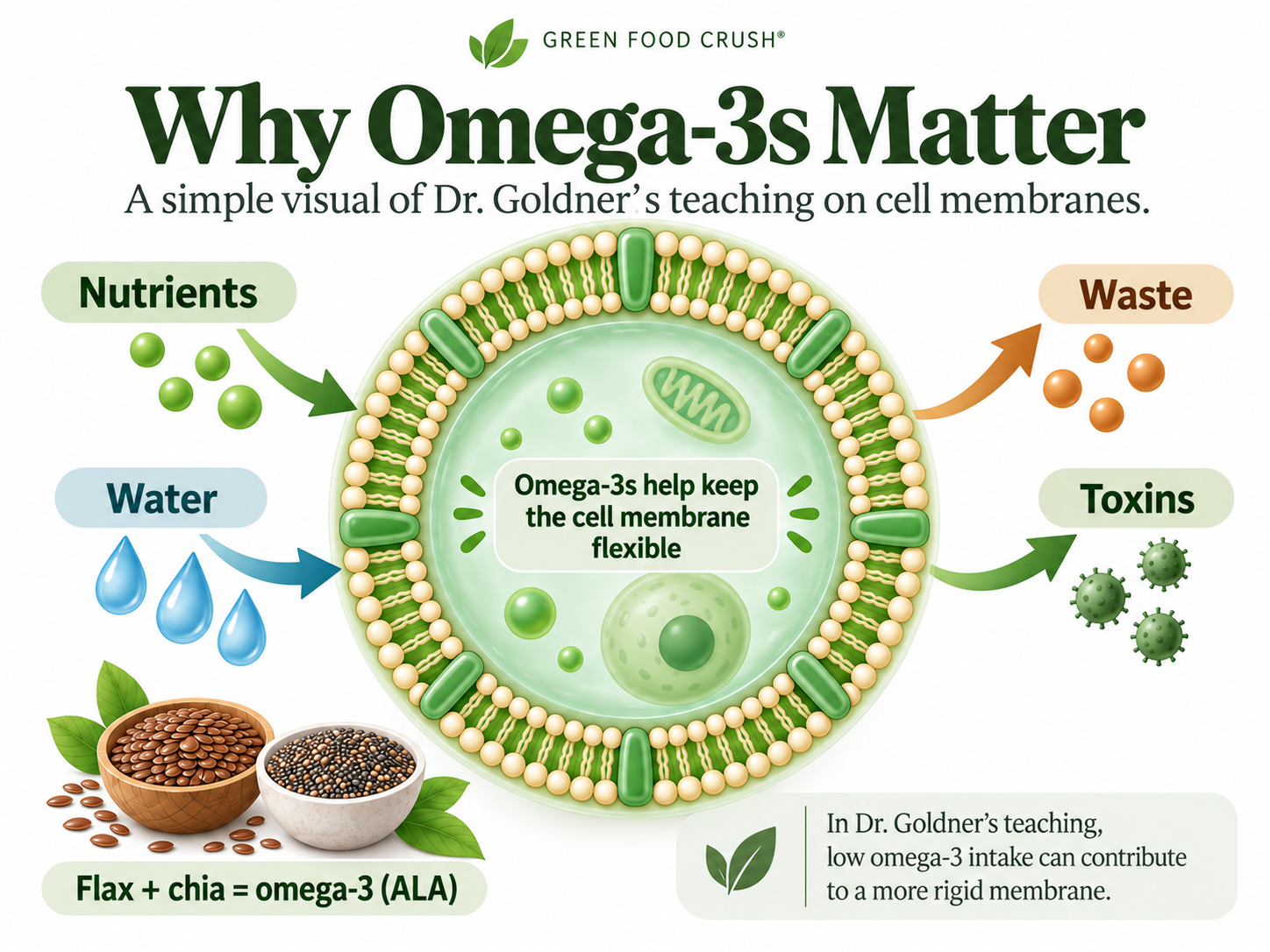
That is why I love the cell membrane visual here. It takes something that sounds very technical and makes it surprisingly easy to picture.
Dr. Goldner also emphasizes omega-3 fats because of their role in what she describes as the body’s anti-inflammatory immune system.
The broader science supports an important relationship between omega-3 fatty acids, cell signaling and inflammatory pathways. Both omega-3 and omega-6 fats are used to make signaling molecules called eicosanoids, and the balance of fatty acids available influences the kinds of signaling molecules produced.
So in Dr. Goldner’s approach, omega-3 isn’t simply a nutrient she is trying to get onto a nutrition checklist.
She is intentionally changing the nutritional environment surrounding the cells.
Why Flax and Chia Specifically?
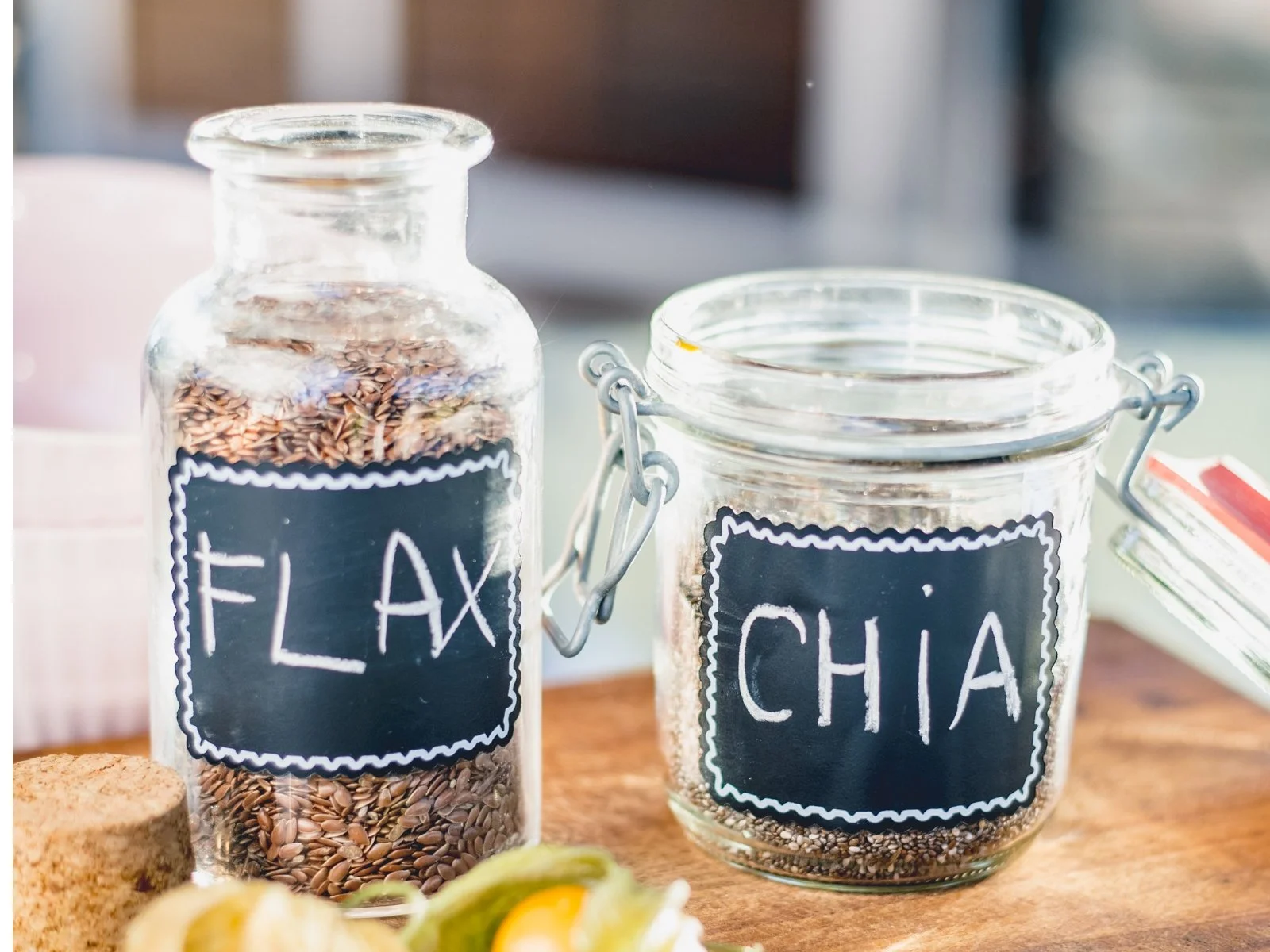
Flax and chia are exceptionally rich plant sources of alpha-linolenic acid, or ALA, the essential omega-3 fatty acid we must obtain from food.
And that word essential matters.
Our bodies cannot manufacture ALA from scratch. We have to eat it.
This is one reason Dr. Goldner repeatedly returns to flax and chia in her healing programs. Her published recovery protocol specifically calls for whole ground flax or chia—or cold-pressed flaxseed oil—as the concentrated omega-3 component alongside large amounts of leafy greens, cruciferous vegetables and water.
It is worth pointing out that her published case series describes the complete protocol, not a trial showing that flax or chia alone caused the reported outcomes. The seeds are one part of a much larger nutritional approach.
And that brings us to another part of her teaching that I found fascinating.
Why the Balance Between Omega-3 and Omega-6 Matters
This was one of those physiology lessons that made me stop and think, Ohhh. That makes sense.
Dr. Goldner teaches that omega-3 and omega-6 fats use some of the same enzymes. When the diet is high in omega-6, she explains that those shared enzymes are busy working along the omega-6 pathway. During healing, she reduces concentrated sources of omega-6 and dramatically increases flax and chia so those enzymes are more available for the omega-3 pathway, which she associates with anti-inflammatory immune function.
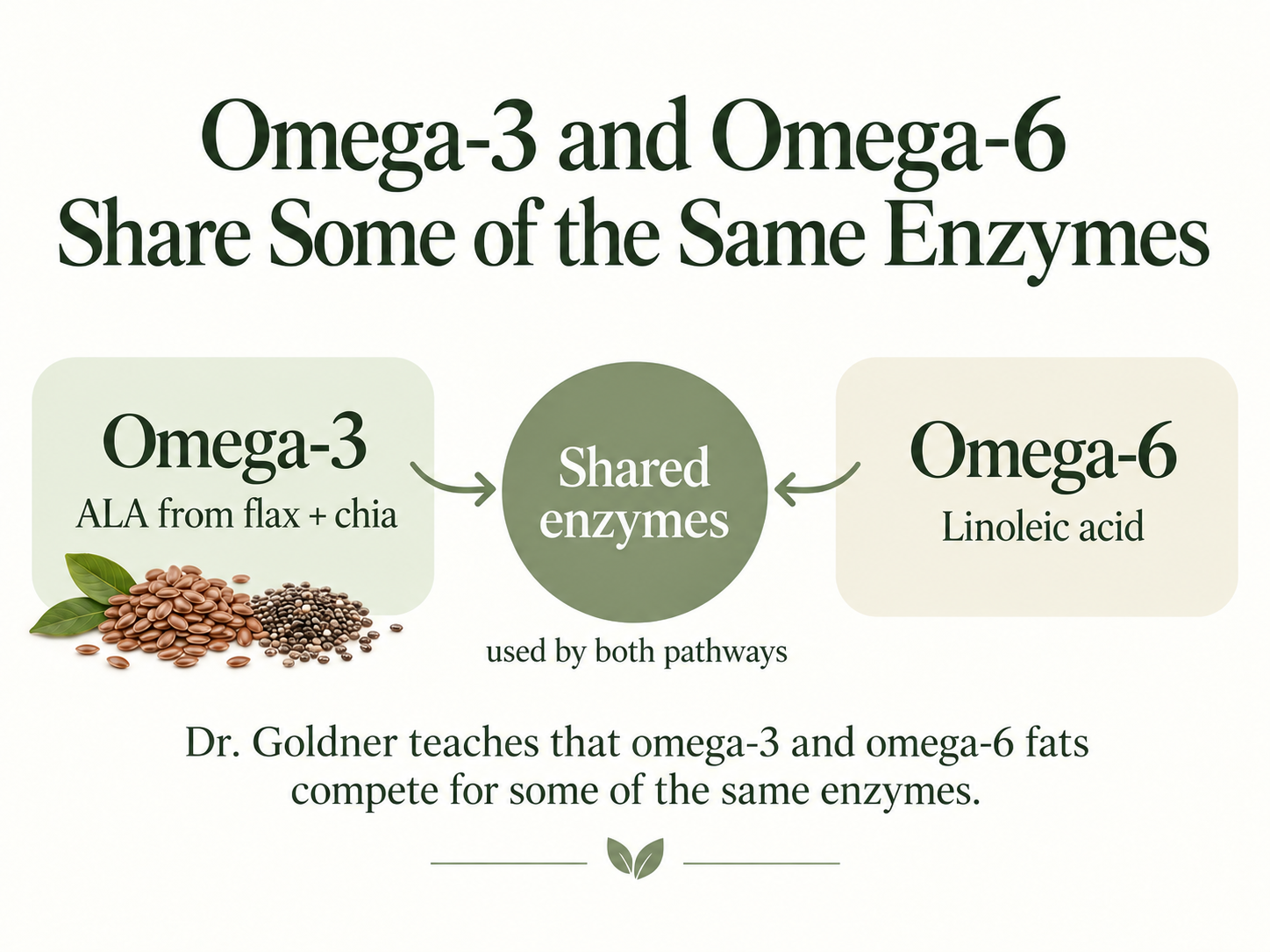
That helps explain an important feature of Dr. Goldner’s healing protocol.
She doesn’t simply add flax and chia.
During intensive healing, she simultaneously reduces many concentrated sources of omega-6 while dramatically increasing omega-3-rich flax and chia.
If you’d like to see how this fits into the rest of her healing approach, I walk through the full Goodbye Autoimmune Protocol here.
A Note About Omega-6
This does not mean omega-6 is a bad fat.
Linoleic acid, the primary dietary omega-6, is essential too. We need it. And researchers have not established one ideal omega-6-to-omega-3 ratio that everyone should try to achieve.
So I wouldn’t turn this into “omega-6 bad, omega-3 good.”
Dr. Goldner’s approach is better understood as a therapeutic strategy: during healing, she deliberately changes the fatty-acid environment by greatly increasing omega-3-rich foods while reducing concentrated sources of omega-6.
That is a much more useful distinction.
But What About ALA, EPA and DHA?
This is where the omega-3 conversation can get confusing, especially for people eating plant-based.
There are three omega-3 fats you’ll hear about most often:
ALA — alpha-linolenic acid
EPA — eicosapentaenoic acid
DHA — docosahexaenoic acid
Flax and chia provide ALA. The body can convert some ALA into EPA and then DHA, although that conversion is limited and varies between individuals.
And this is where I think ALA sometimes gets treated unfairly.
ALA is not simply an inferior version of DHA waiting to be converted into something useful. ALA itself is an essential fatty acid.
Dr. Goldner does discuss the conversion pathway, but when I look at her overall teaching, that isn’t really the heart of why she emphasizes flax and chia.
Her bigger focus is the entire fatty-acid environment: cell membranes, immune and inflammatory signaling, and the interaction between omega-3 and omega-6.
That makes much more sense to me than reducing the whole discussion to a conversion percentage.
Do Plant-Based Eaters Need DHA?
This is still a fair question.
If the goal is simply to raise the amount of DHA measured in the blood, consuming preformed DHA—such as algae-derived DHA—is an effective way to do that. ALA conversion is limited, and NIH notes that directly consuming EPA and DHA is the practical way to substantially increase their levels in the body.
But raising a blood DHA level and proving that doing so improves a particular long-term health outcome are not exactly the same question.
DHA is an important structural component of cell membranes and is especially concentrated in the brain and retina. Individual circumstances can also change the conversation, so I don’t think blanket statements are particularly helpful here.
For this article, the most important point is simpler:
Dr. Goldner’s protocol does not revolve around supplementing DHA. It revolves around providing large amounts of plant omega-3 through flax and chia while changing the overall nutritional environment.
What About Fish?
Fish are often described as the original source of EPA and DHA, but technically they aren’t.
Microalgae produce these long-chain omega-3 fats, and fish accumulate them through the marine food chain. That is also why algae-derived EPA and DHA can provide long-chain omega-3 without fish.
Dr. Goldner’s healing protocol is entirely plant-based, so flax and chia are her primary concentrated omega-3 foods.
Will This Much Flax or Chia Make Me Gain Weight?
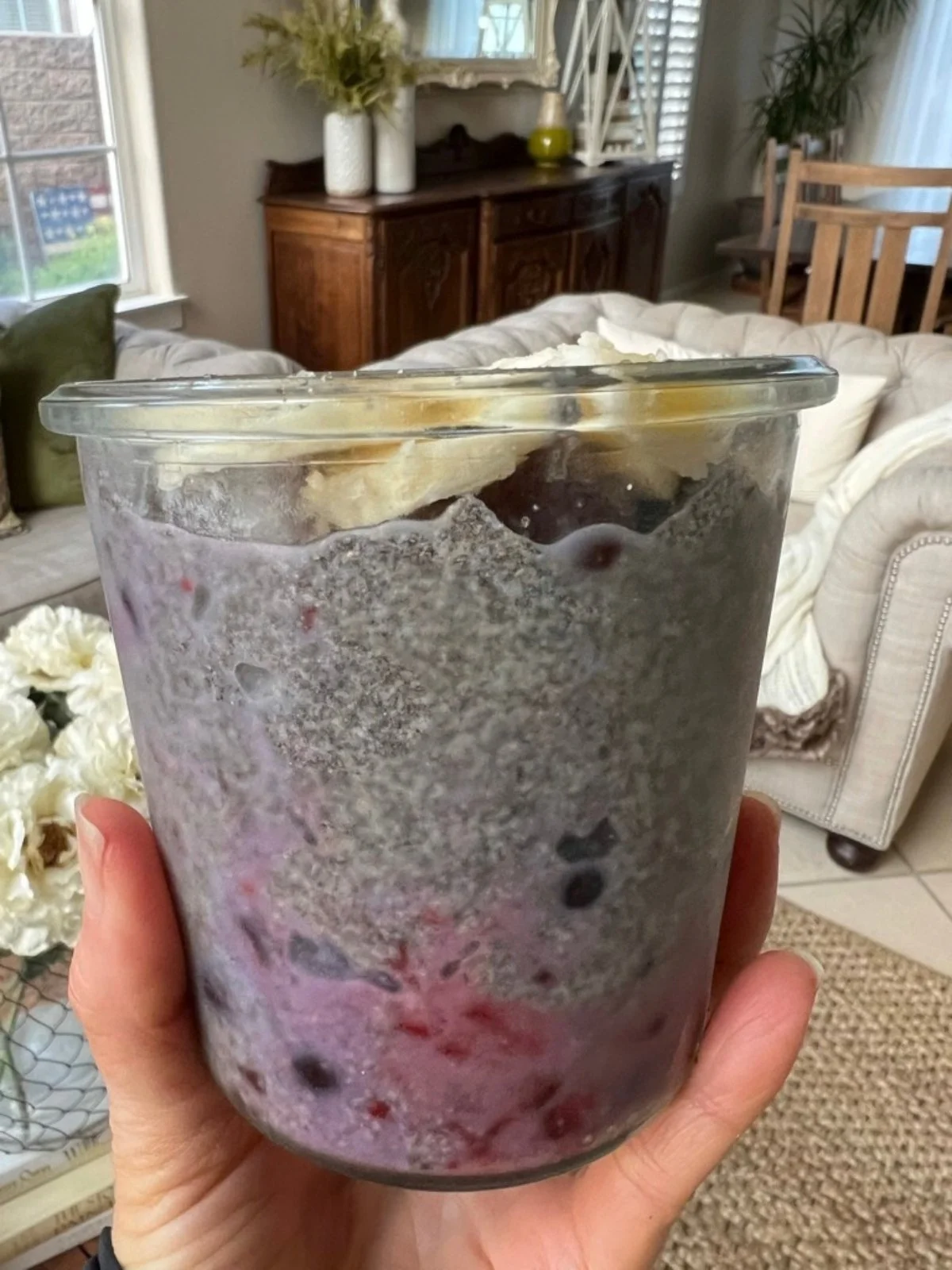
Half a cup of flax or chia can sound like a lot, especially if you’ve spent years hearing that eating more fat automatically leads to weight gain.
Dr. Goldner addresses this concern often. Her healing protocol intentionally includes substantial amounts of omega-3-rich flax or chia, and she has described seeing many people lose body fat while eating this way rather than gain it.
That doesn’t mean everyone will lose weight, but it does mean these foods shouldn’t automatically be viewed as weight-gain foods simply because they contain fat.
In her protocol, they are there for a specific nutritional purpose.
Protein is another area that raises a lot of questions on this protocol, so I took a closer look at protein on Dr. Brooke Goldner’s healing protocol here.
What About Flax and Hormones?
Flax is one of the richest dietary sources of lignans, plant compounds that can interact with estrogen metabolism. Because lignans are sometimes called phytoestrogens, people occasionally worry that flax will simply “add estrogen” to the body. That isn’t how they work.
Human studies suggest flax can actually influence the way estrogen is metabolized. In postmenopausal women, flax intake has been shown to change certain estrogen metabolites and, in some studies, lower circulating estradiol or estrone sulfate. At the same time, larger reviews have not found that flax broadly disrupts sex-hormone levels.
So I think of flax less as an estrogenic food to fear and more as a food with interesting hormone-modulating effects that researchers are still studying.
Why Dr. Goldner Recommends Grinding Flax and Chia Fresh
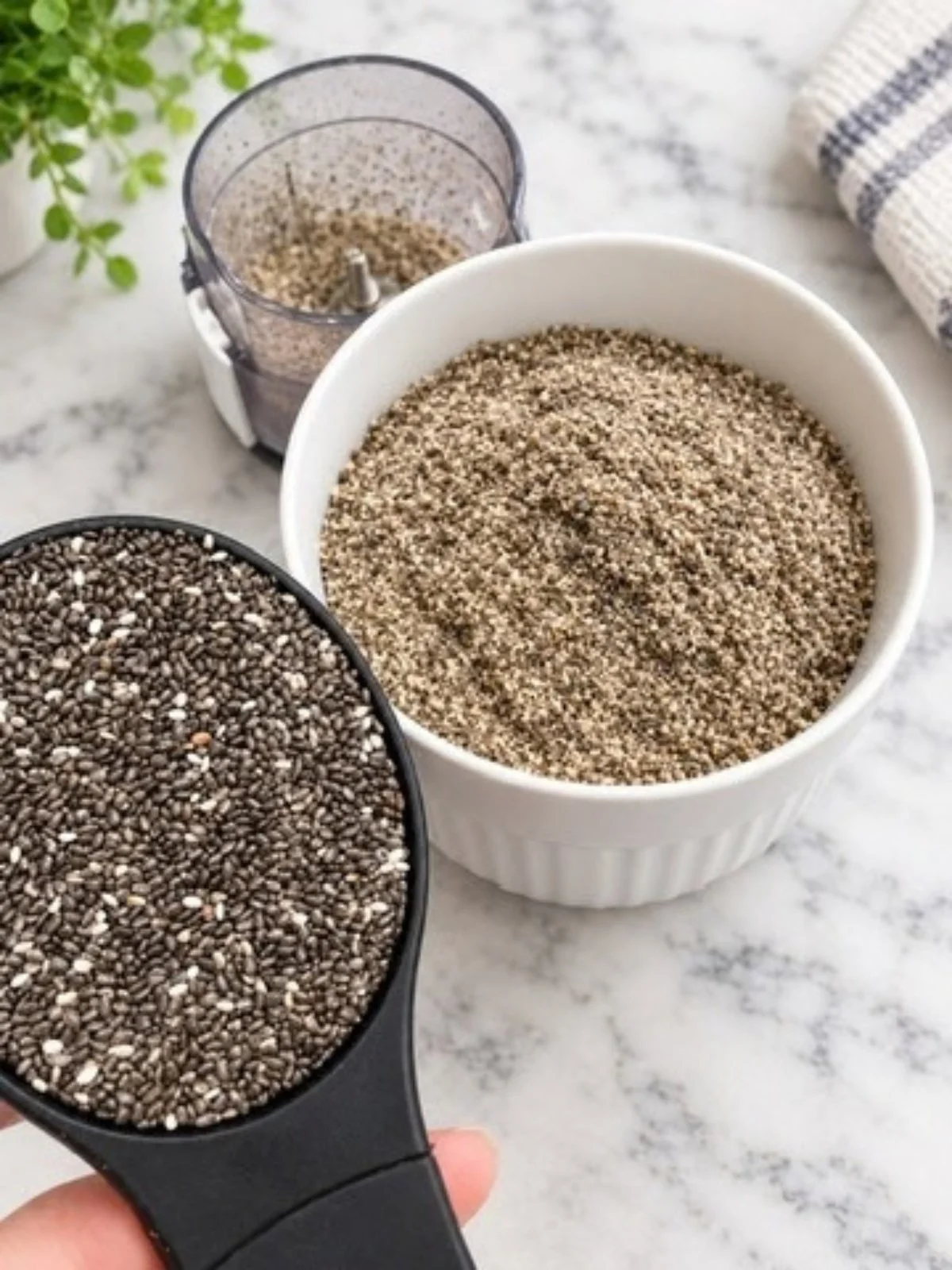
Whole flaxseed needs to be ground so your body can access what is inside the seed.
Dr. Goldner teaches grinding flax and chia fresh rather than relying on packages of pre-ground seed that may have been exposed to oxygen for a long time.
I use a little coffee grinder when I’m eating them outside a smoothie, or I let my high-powered blender grind them right in the smoothie.
Because these omega-3 fats are delicate, I also keep my flaxseed and flax oil cold.
What About Flax Oil?
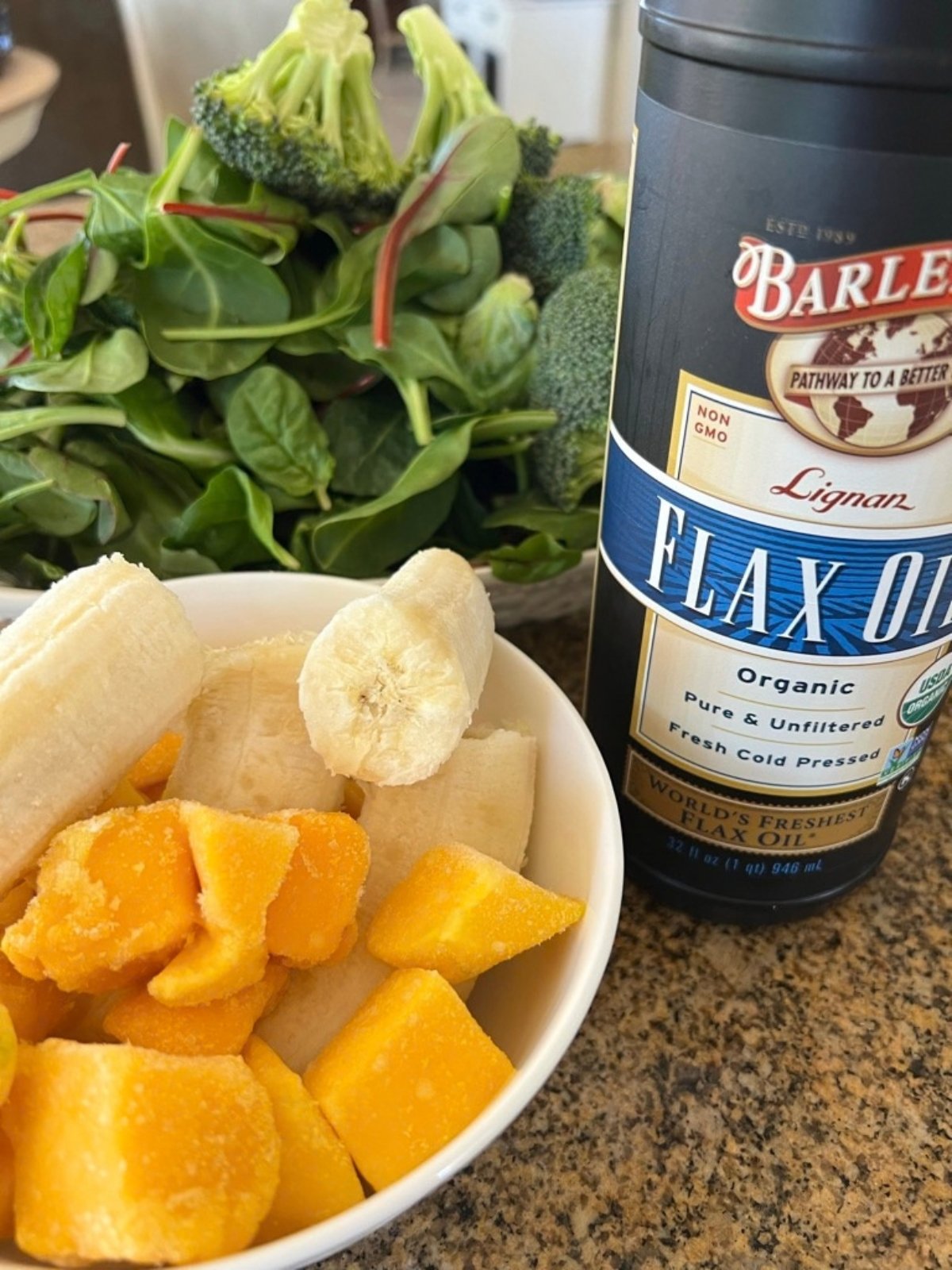
This was an interesting one for me because I came from the whole-food, plant-based world where added oil was something I generally avoided.
And then suddenly I was pouring flax oil over my salad.
Dr. Goldner uses cold-pressed flaxseed oil for a very specific reason: it provides a concentrated source of ALA without the volume of eating a large amount of seed.
Her published intensive recovery protocol lists 3 tablespoons of cold-pressed flaxseed oil as an alternative to ½ cup of ground flax or chia.
I also appreciate that you don’t have to consume all of your omega-3 in one particular way.
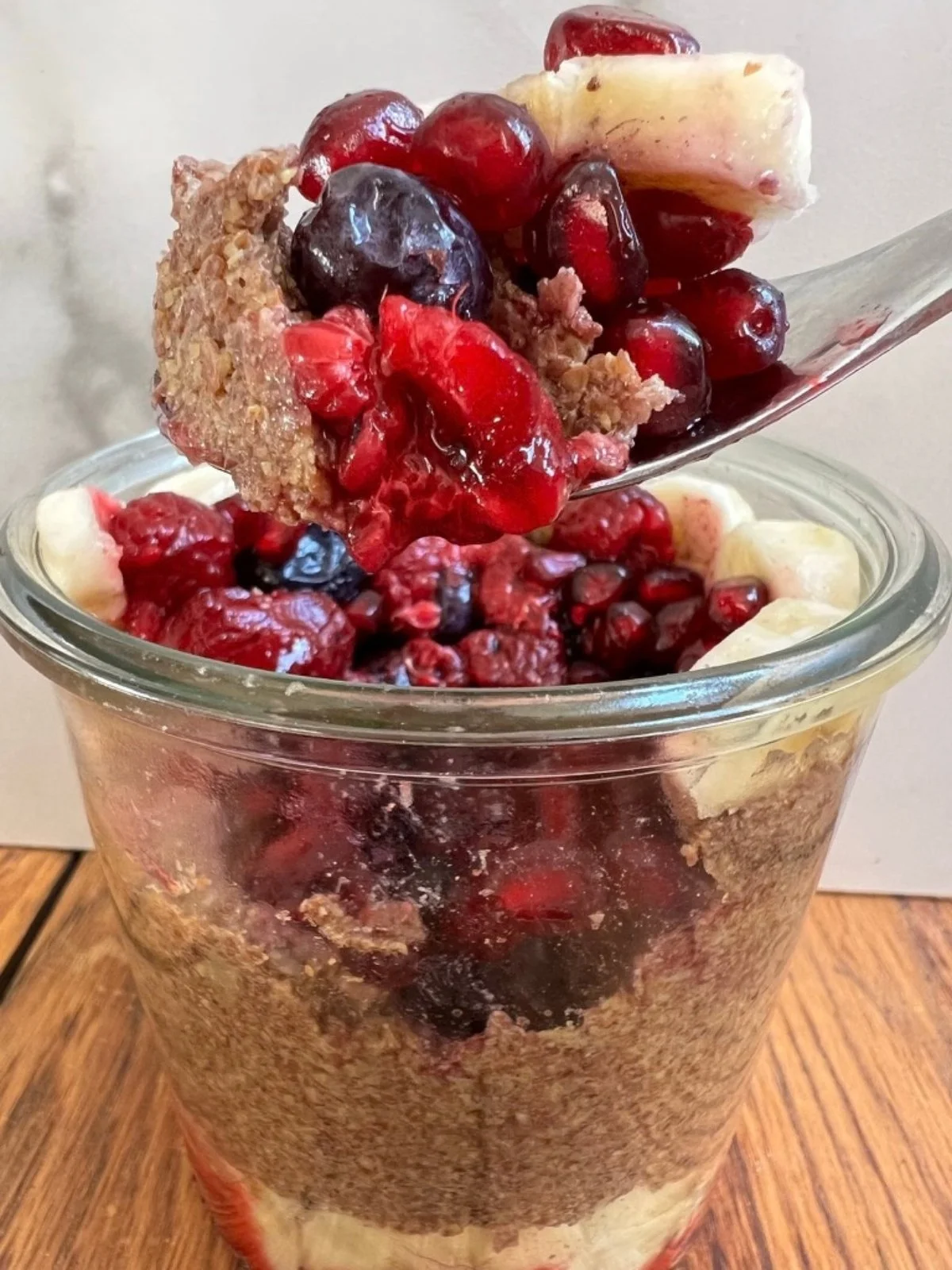
Ground flax over berries or banana, chia pudding, flax or chia blended into a smoothie, or flax oil over a large salad can all make the amount feel much more doable.
The protocol may be structured, but the food can still be enjoyable.
Flax crackers can also be included on the protocol, but Dr. Goldner does not count them toward the required daily omega-3 amount. I think of them as an extra way to enjoy flax rather than a replacement for the measured flax, chia, or flax oil.
Does Everyone Need This Much Flax and Chia Forever?
No—and this distinction is important.
The large amounts Dr. Goldner uses during intensive healing are part of a specific recovery protocol.
Her published maintenance phase becomes broader. It allows cooked whole plant foods, legumes, whole grains, additional nuts and seeds, and recommends a lower minimum amount of ground flax/chia than the intensive recovery phase.
So when we talk about ½ cup of flax or chia, context matters.
That is a therapeutic amount used within her recovery protocol, not necessarily a universal lifelong prescription for every healthy person.
My Takeaway
The more I understand Dr. Goldner’s teaching, the more the flax and chia recommendation makes sense.
She isn’t simply trying to push one omega-3 number higher.
She uses these foods as concentrated sources of essential omega-3 within a much bigger strategy—supporting cell membrane function, influencing inflammatory and immune signaling, and changing the balance of fatty acids available during healing.
That broader picture is what I find so fascinating.
Frequently Asked Questions
Why does Dr. Brooke Goldner recommend so much flax and chia?
Dr. Goldner uses flax and chia as concentrated plant sources of omega-3 ALA. In her teaching, omega-3 fats are important for cell membrane function and anti-inflammatory immune pathways, and she intentionally increases them during her healing protocol while reducing concentrated sources of omega-6.
What kind of omega-3 is in flax and chia?
Flax and chia are rich in ALA, or alpha-linolenic acid, an essential omega-3 fatty acid that must come from food.
Can the body turn ALA into EPA and DHA?
Yes. The body can convert ALA into EPA and then DHA, although the conversion is limited and varies between people.
Does omega-6 block omega-3?
“Block” is too strong. ALA and omega-6 linoleic acid use some of the same enzymes, so the two pathways can compete.
Is omega-6 unhealthy?
No. Linoleic acid is an essential fatty acid. Dr. Goldner’s intensive protocol temporarily changes the relative amounts of omega-3 and omega-6 as part of her therapeutic approach; that is different from saying omega-6-containing whole foods are inherently unhealthy.
Will eating ½ cup of flax or chia make me gain weight?
Not necessarily. Dr. Goldner deliberately includes this amount in her intensive healing protocol. Body weight depends on the entire diet and many individual factors, so eating flax or chia should not automatically be equated with weight gain simply because the seeds contain fat.
How much flax or chia does Dr. Goldner recommend?
Her published intensive recovery protocol recommends at least ½ cup of whole, ground flax or chia daily, increasing as tolerated, or 3 tablespoons of cold-pressed flaxseed oil. Her maintenance recommendations are different.
What about an Omega-3 Index test?
An Omega-3 Index can provide information about EPA and DHA in red blood cells, but a number on a biomarker does not by itself answer every question about clinical deficiency or long-term health. I think of it as one piece of information rather than the whole picture.
This article is for education and shares my understanding of Dr. Brooke Goldner’s approach. Her published evidence includes case series rather than randomized trials of the complete protocol, so those reports cannot establish that flax, chia, or the protocol itself caused the outcomes observed. If you are using nutrition therapeutically for a medical condition, work with an appropriate healthcare professional